
Are you dreaming of a beautiful sanctuary for your little one but feeling a bit tight on square footage? It can feel a little overwhelming to fit all the love (and gear!) you have for your baby into a cozy room, but you are not alone in this puzzle. Choosing a layout for a smaller space is such a special decision because it forces you to focus on what truly matters: comfort, connection, and calm.
In this post, we’ll explore 19 clever and beautiful small nursery layout ideas that prove you don’t need a massive room to create a magical start. Let’s explore these beautiful ways to make your petite nursery feel open, airy, and perfectly organized.
Love these ideas? Get more every week.
Join the newsletter for seasonal decor and cozy home inspiration.
1. The Corner Crib Focal Point
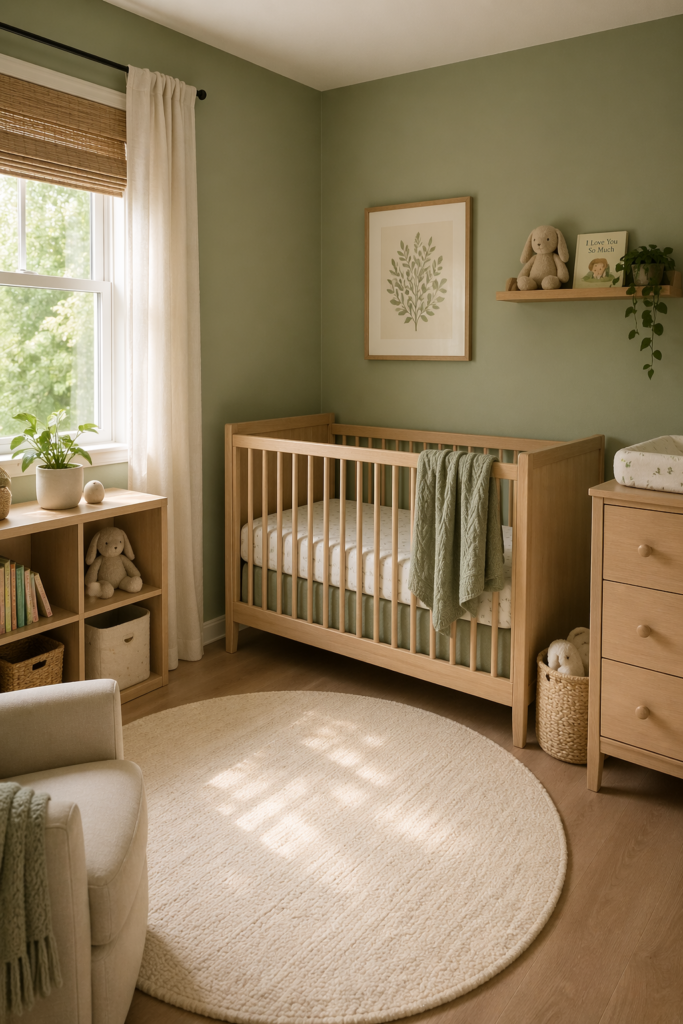
Placing the crib tucked into a corner is a beautiful way to open up the center of a small room for playtime. This layout creates a supportive “nook” feeling that can make your baby feel extra secure and nestled. By grounding the largest piece of furniture against two walls, you maximize the remaining floor space for a soft rug or a glider.
This arrangement also allows you to use the wall space above the crib for lightweight decor like vinyl decals or a soft fabric hanging. It’s a mix of classic placement and modern spatial awareness that keeps the room from feeling cramped. Remember, a corner crib leaves more “breathing room” for you to move around during those middle-of-the-night visits.
Shop This Look
This post contains affiliate links. If you buy through them, I may earn a small commission at no extra cost to you.
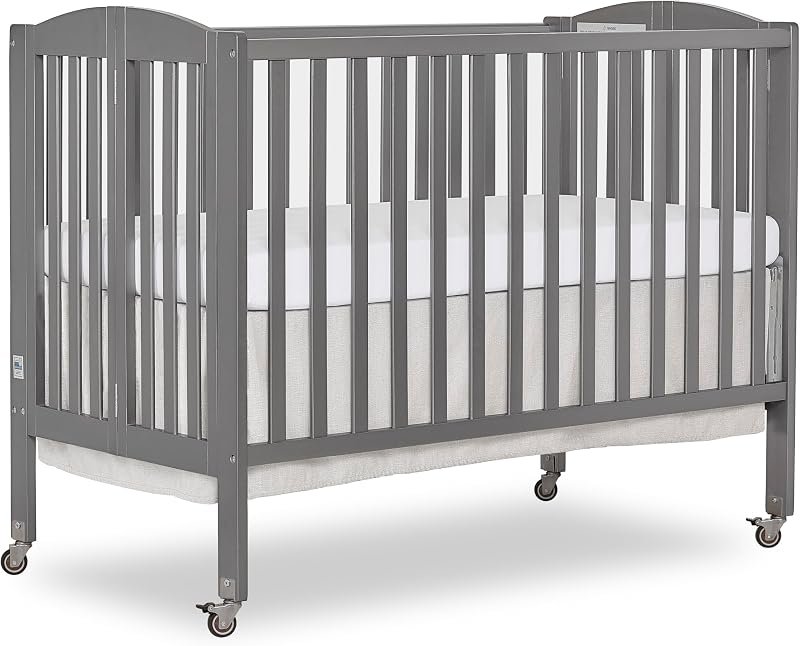
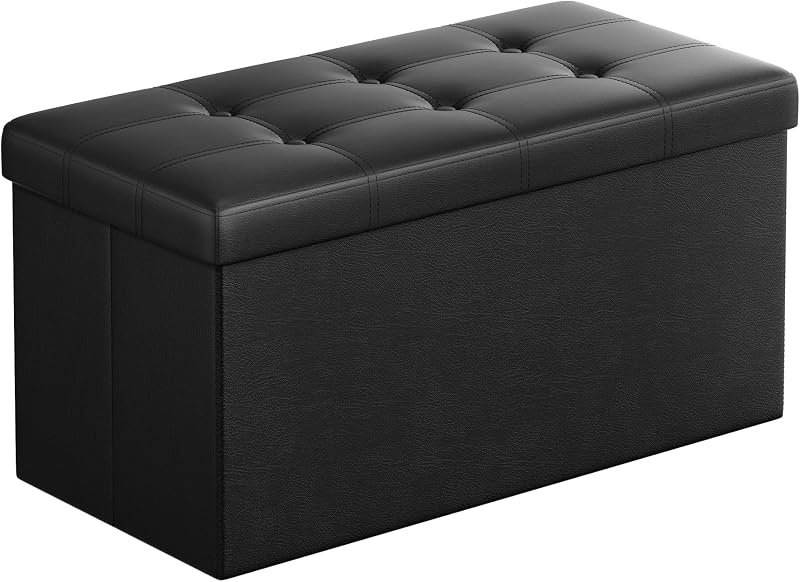
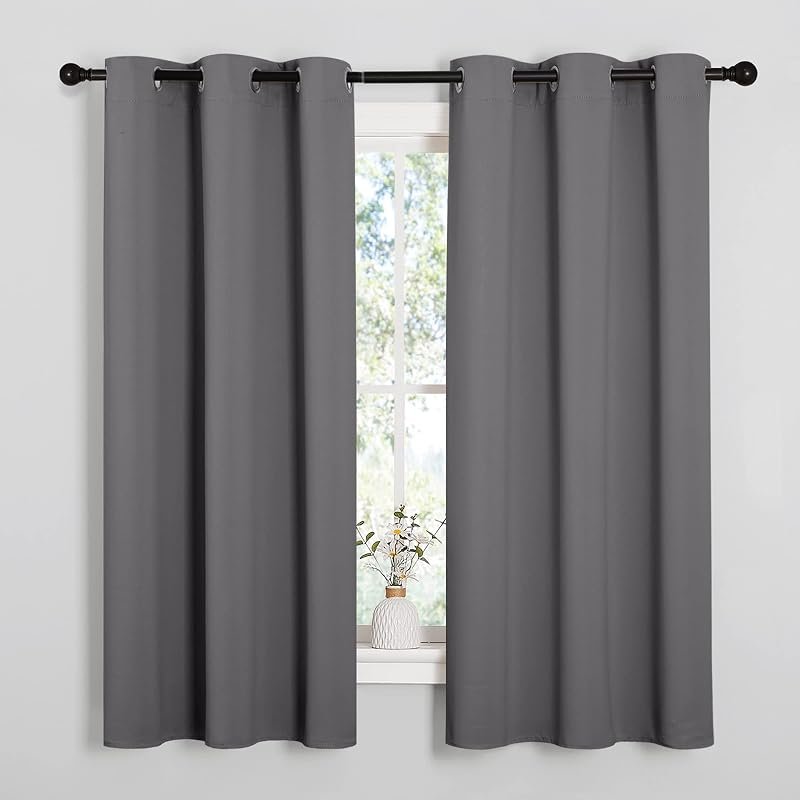
A few favorites featured in the ideas above:

2. Closet-Turned-Nursery “Clurcery”
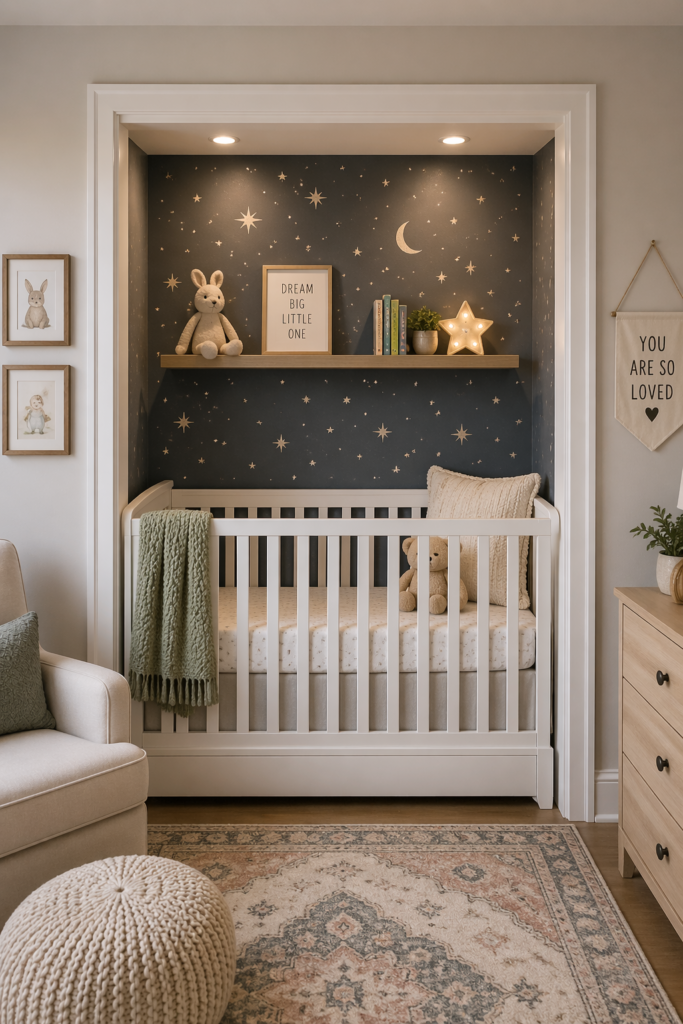
If you are truly short on space, removing closet doors and nesting the crib inside the alcove is an inspirational way to save square footage. This “clurcery” trend is peaking because it utilizes built-in architecture to frame the baby’s sleeping area. It’s a wonderful way to create a dedicated zone without taking up any of the main room’s footprint.
You can add floating shelves above the crib inside the closet for essentials, keeping the look clean and organized. This layout is a beautiful way to show your intuition for creative problem-solving in a small home. At the end of the day, it turns a functional storage spot into a dreamy, private sleeping sanctuary.
3. The “Crib-at-the-Foot” Setup
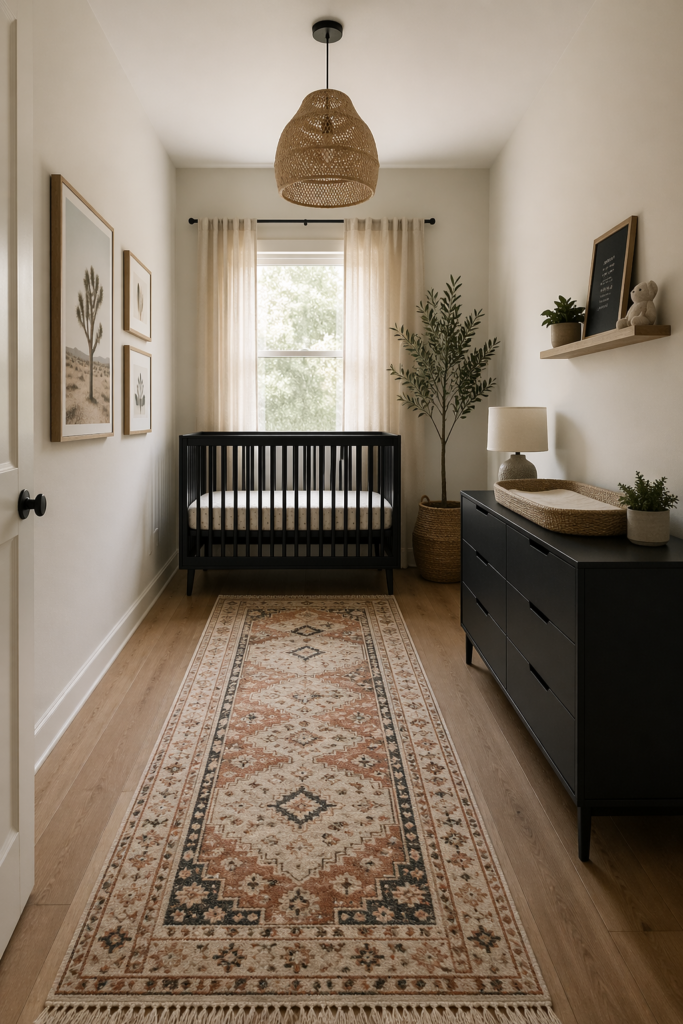
For long, narrow rooms, placing the crib at the foot of your own bed or against the far narrow wall can create a sense of balance. This layout keeps the walking path clear along the sides of the room, which is so helpful for avoiding stubs and trips in the dark. It is a supportive way to handle “railroad style” rooms that might otherwise feel like a hallway.
This placement allows the crib to act as a beautiful anchor for the room’s design. You can layer a long runner rug alongside it to lead the eye through the space, making it feel more intentional and less cluttered. Whether you prefer a bold accent wall behind it or soft curtains, this layout validates your need for flow and function.
4. Vertical Storage Command Center
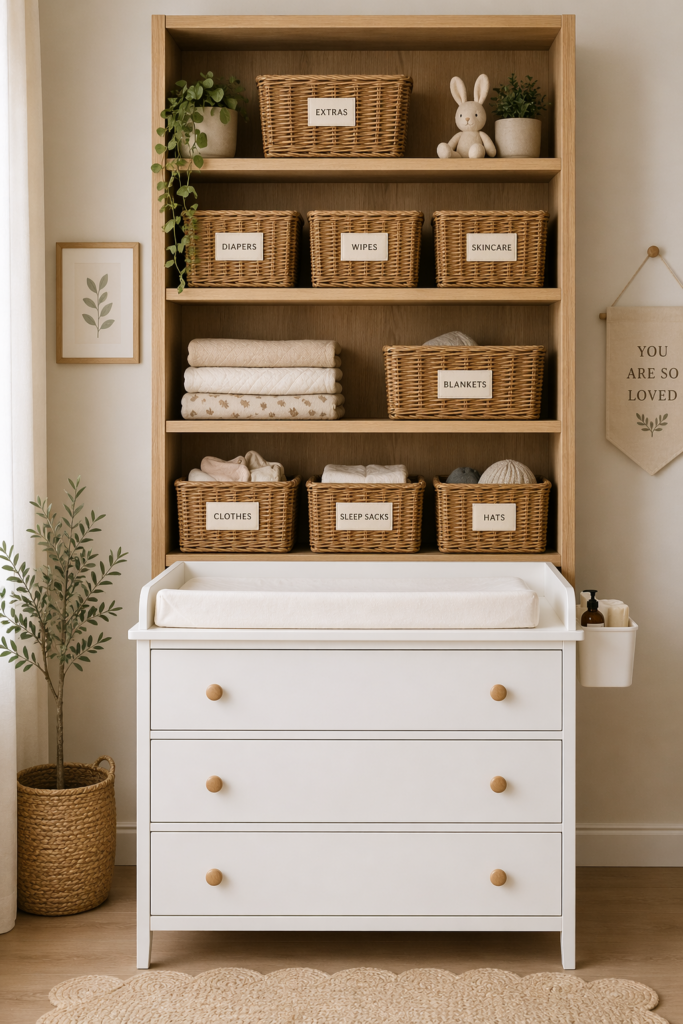
In a small nursery, the walls are your best friends for keeping the floor clear and the energy light. By installing floor-to-ceiling shelving behind a dresser, you create a command center that holds everything from diapers to keepsakes. This is such a special decision because it keeps all your tools within arm’s reach while maintaining a minimalist, warm aesthetic.
Using a mix of open shelving and pretty baskets helps keep the look skimmable and organized. You can display beautiful wooden toys on top and hide the less-than-pretty essentials in woven bins below. This layout helps you maintain a positive, uplifting energy by reducing the visual “noise” of clutter on the floor.
5. The Parallel Duo Layout
Placing the crib and the glider parallel to one another on opposite walls creates a symmetrical, high-end look. This layout provides a clear “zone” for sleeping and a “zone” for soothing, which can help you establish a peaceful routine. This is a beautiful way to make a small square room feel balanced and professionally designed.
The open space in the middle is perfect for a small activity gym or tummy time mat. By keeping the furniture tight to the walls, you ensure the center of the room stays airy and easy to move through. This choice reflects a value for order and serenity in your family life.
6. Centered Crib with Floating Accents
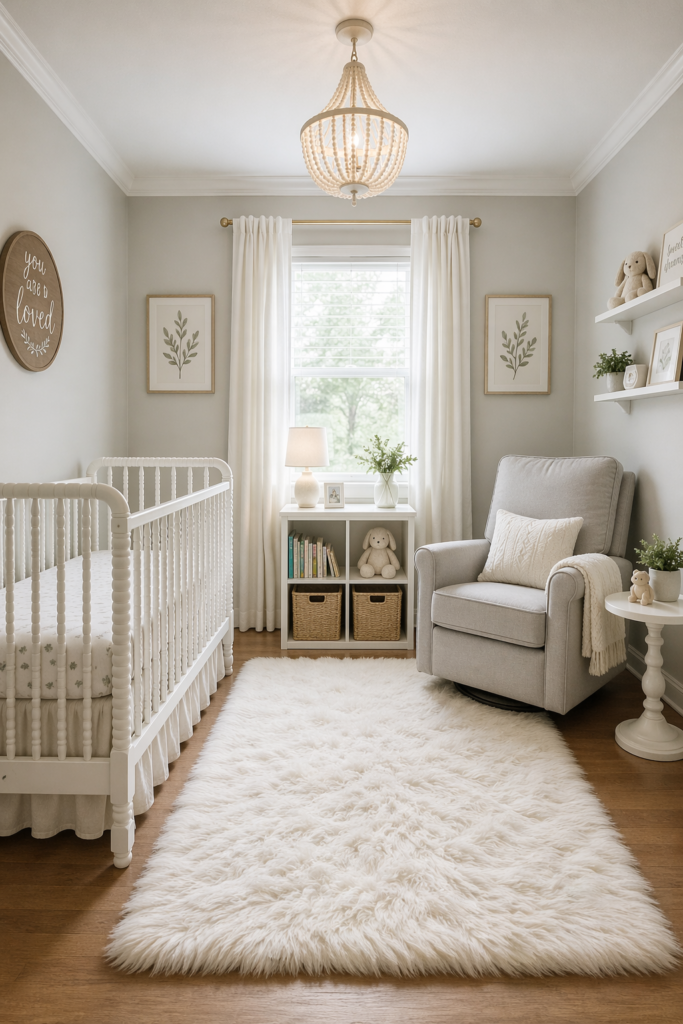
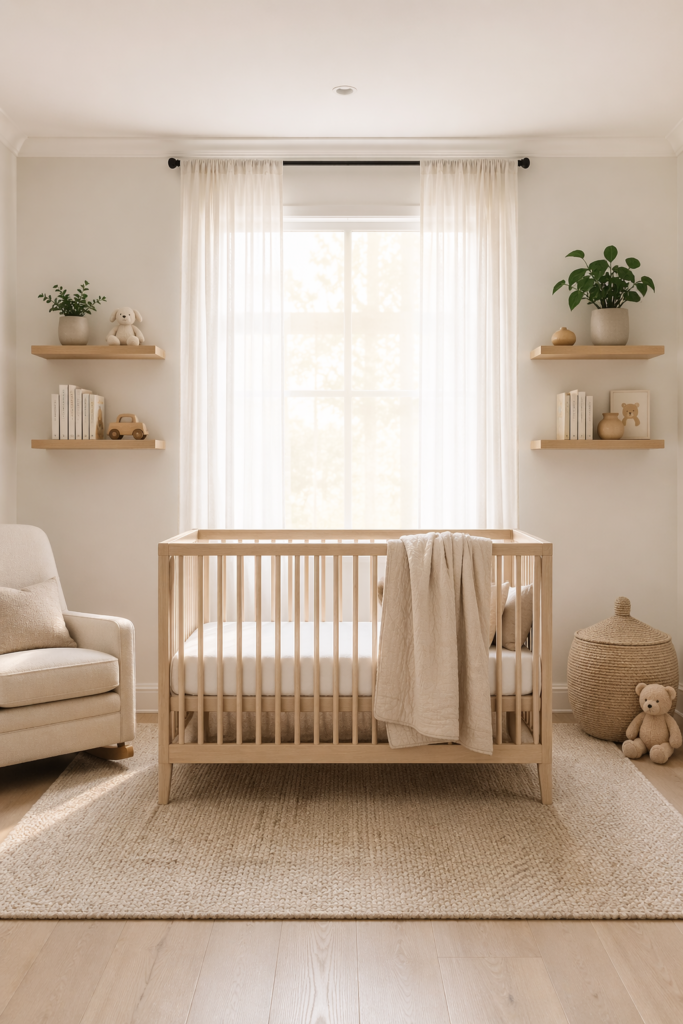
If your room has a beautiful window, centering the crib under it (with proper safety distances) can make the room feel much larger. The natural light frames the crib, creating a bright and airy focal point that draws the eye upward. This is a beautiful way to emphasize the “heart” of the room while keeping the corners open for small storage bins.
To keep the floor clear, use floating shelves instead of a bulky bookcase to hold bedtime stories. This keeps the sightlines open, which is a gentle guidance trick to make any tiny space feel more expansive. Remember, the more floor you can see, the bigger the room will feel to your subconscious mind.
7. The Dresser-Crib Combo Wall
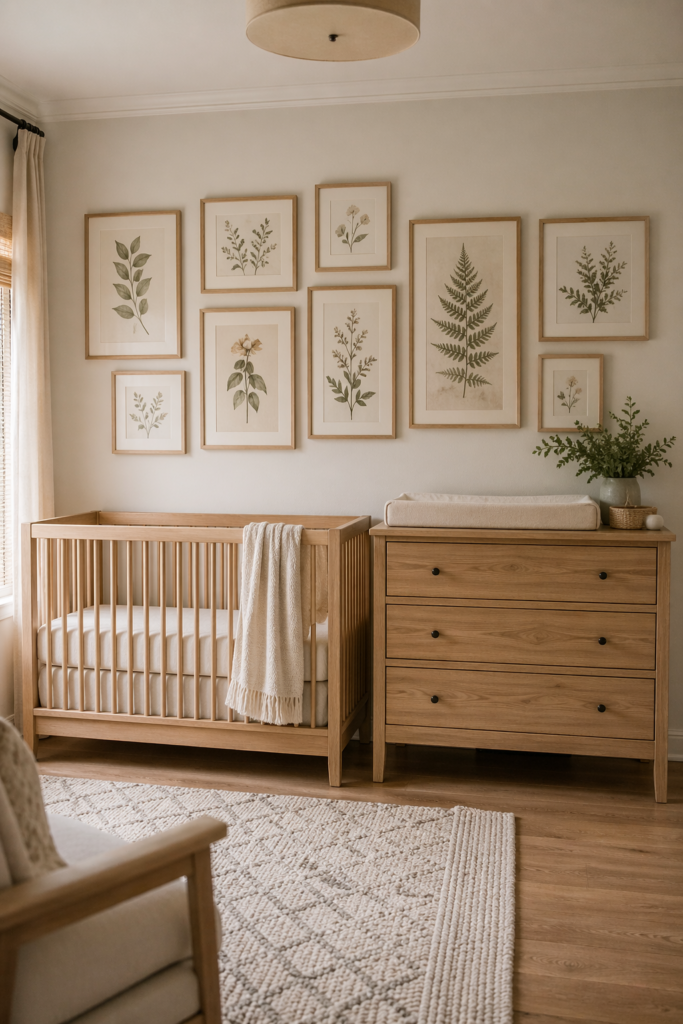
Aligning your dresser and crib along the same long wall is a smart way to leave the rest of the room completely open. This “all-on-one-side” approach works beautifully in shared spaces or multi-purpose rooms. It’s a practical, easy-to-follow tip that keeps the room’s footprint focused and intentional.
This layout allows you to create one long, cohesive design statement with a single gallery wall above both pieces. It feels like a boutique hotel suite—organized, stylish, and very “Zen-inspired.” This is an inspirational way to handle a room that might also need to house a desk or a guest bed.
8. Behind-the-Door Hidden Storage
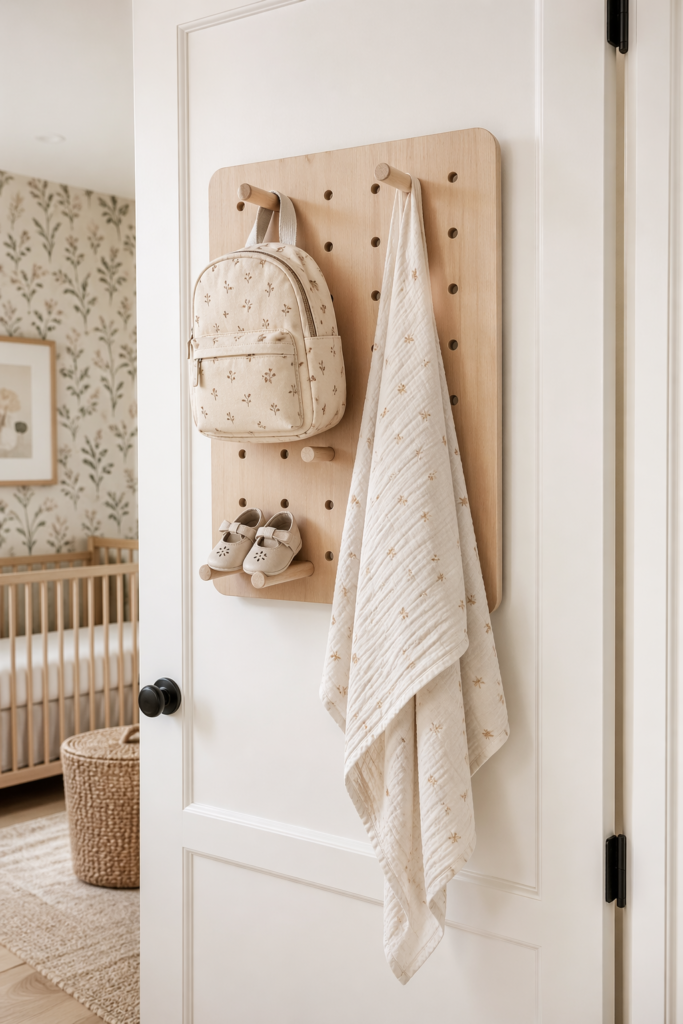
In a small nursery, the space behind the door is often overlooked, but it’s a goldmine for organization. Installing a slim pegboard or a row of hooks allows you to hang diaper bags, wraps, and even tomorrow’s outfit. This is such a special decision for keeping the room feeling light and airy because it hides the “daily mess” when the door is open.
This layout choice is all about functionality that doesn’t sacrifice style. It’s a supportive way to manage the transition from “active mode” to “sleep mode” by clearing the visual clutter. At the end of the day, having a spot for everything makes you feel more grounded and in control.
9. The Minimalist “No-Dresser” Layout
Sometimes the best layout for a tiny room is choosing to skip the dresser entirely and using the closet for all clothing. By only having a crib and a comfortable chair, you create a sense of “Zen” minimalism that is peaking in 2026. This allows the room to be a pure sanctuary for sleep and snuggles without the distraction of “chores.”
You can use a small rolling cart for diapering essentials that can be tucked away when not in use. This layout validates your intuition that “less is more” when it comes to a peaceful environment. It’s a beautiful way to prioritize the emotional energy of the room over traditional furniture rules.
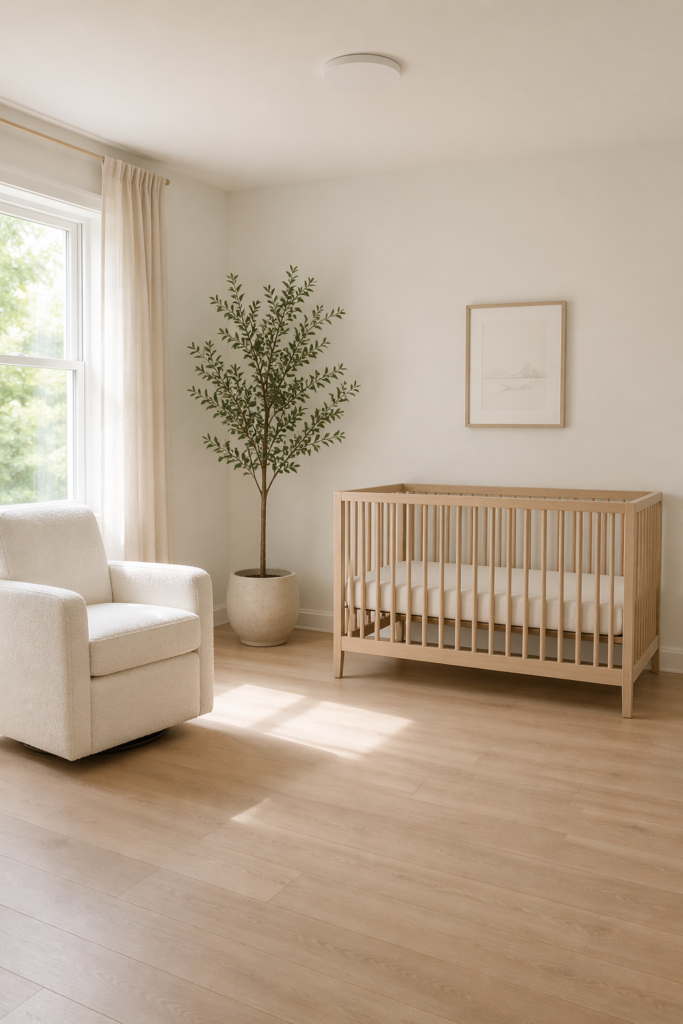
10. The Diagonally Placed Crib
If you have a room with awkward angles or many doors, try placing the crib at a diagonal in a corner. This unique idea breaks up the “boxy” feel of a small room and can actually create extra triangular storage space behind the crib. It’s a mix of modern style and clever geometry that feels very designer-inspired.
This placement makes the crib feel like a grand centerpiece, even in a tiny footprint. You can tuck a floor lamp or a tall plant into the space behind the crib to add depth and life to the room. This layout offers gentle guidance for rooms that don’t have a single “obvious” wall for furniture.
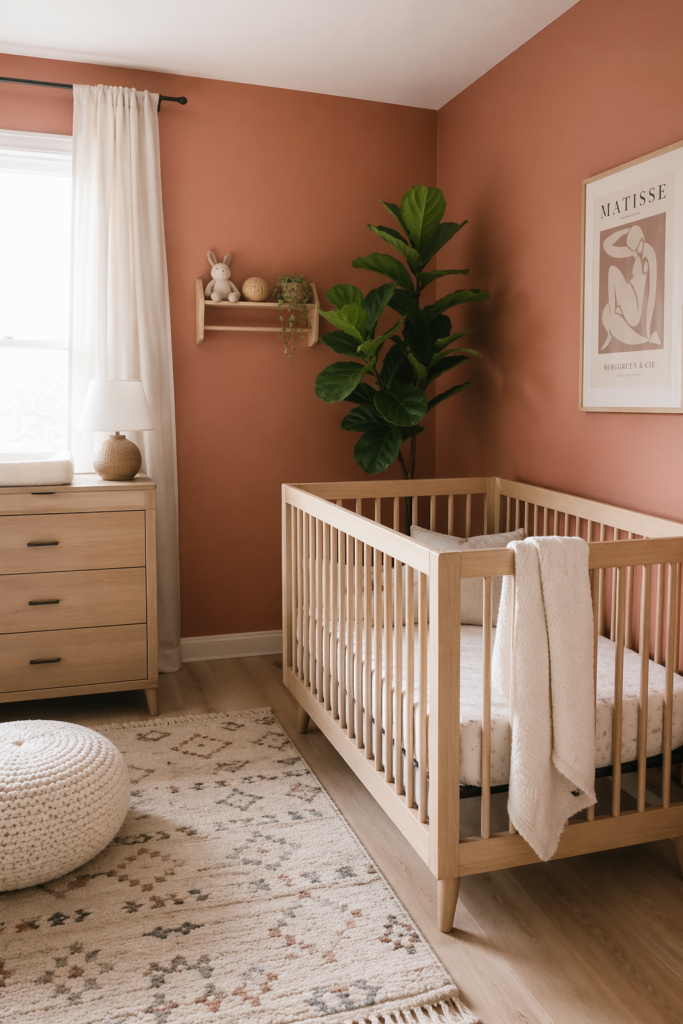
11. Over-the-Crib Bridge Shelving
For maximum storage without the floor-space sacrifice, consider “bridge” shelving that spans the wall above the crib. This high-up storage is perfect for items you don’t need every day, like extra blankets or out-of-season clothes in pretty bins. This is a beautiful way to use the “vertical frontier” of your home to keep the nursery organized.
Ensure the shelves are securely mounted and out of reach of curious little hands for safety. This layout creates a cozy, “built-in” look that makes a small room feel very custom and intentional. It’s a supportive solution for homes without a lot of closet space.
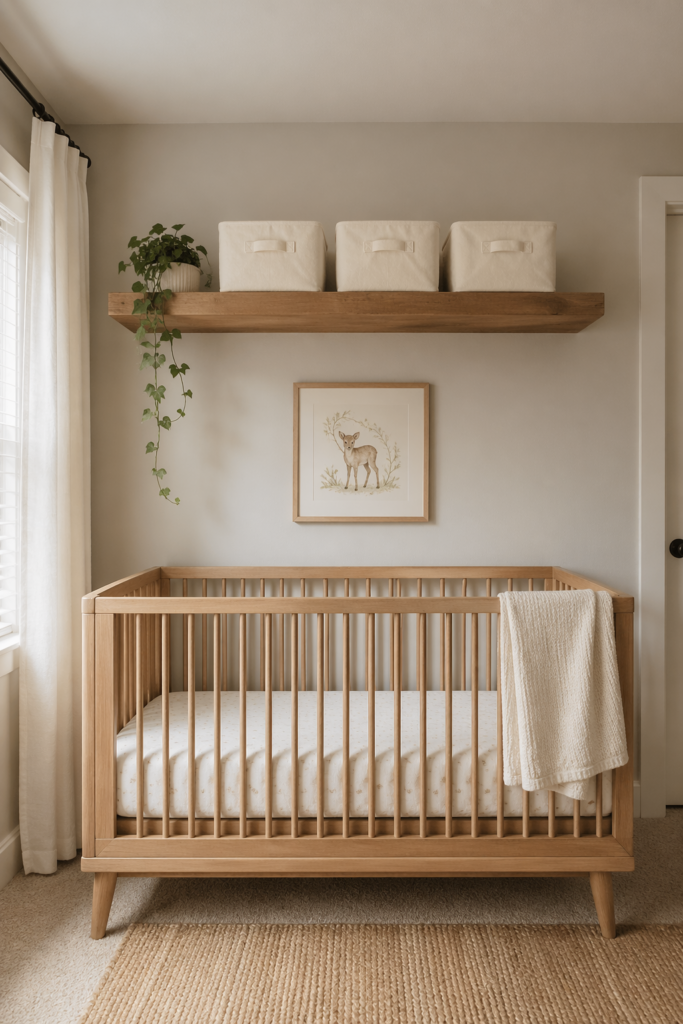
12. The Window-Seat Nursery Nook
If your small nursery has a deep window sill or a bay window, turn it into a functional seating or storage area. Adding a custom cushion creates a built-in “glider” alternative that saves you from needing a bulky freestanding chair. This is a beautiful way to bring “Zen-inspired” functionality into a tight layout.
You can use the space under the window seat for baskets of toys or books, keeping the floor clear for tummy time. This layout connects your baby’s space to the beauty of the outdoors, which is so reassuring and inspirational. It’s a special decision that makes the most of the architecture you already have.
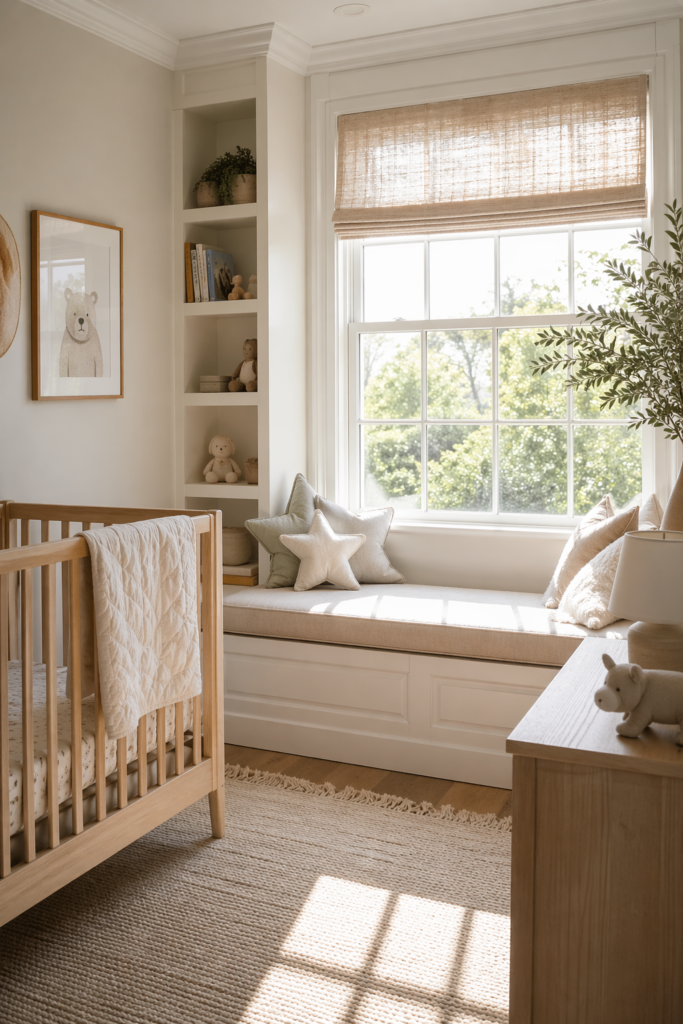
13. The Back-to-Back Shared Layout
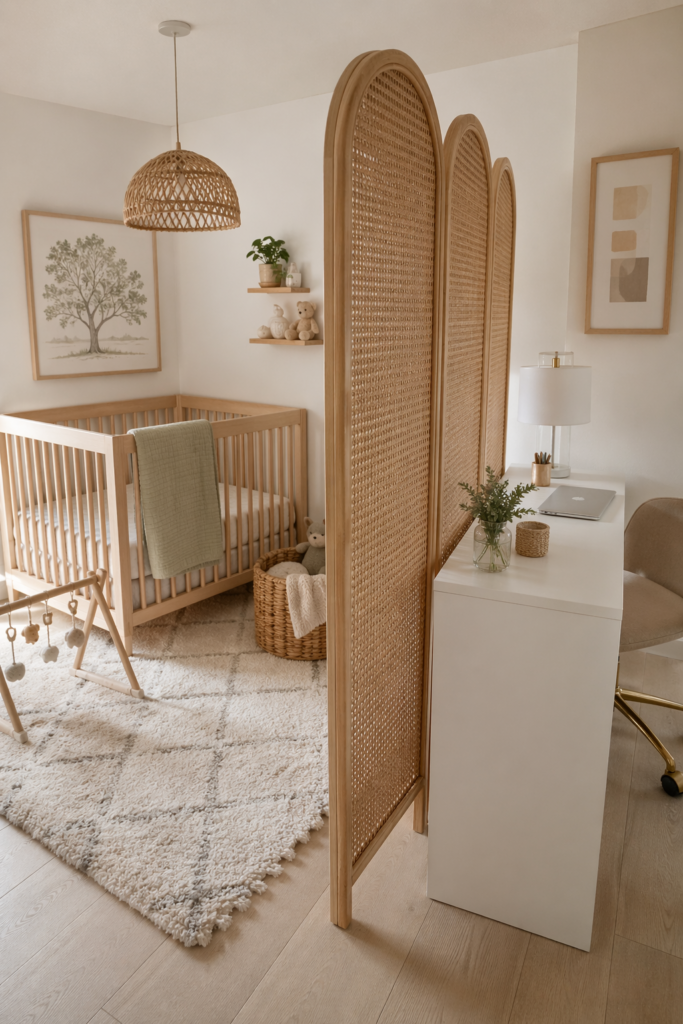
If the nursery is sharing a room with a home office or a sibling, a back-to-back layout can help define the zones. Placing the crib with its back to a desk or another bed (perhaps with a thin room divider between them) creates a private sleeping area. This is a beautiful way to foster a sense of identity for each “zone” in a multipurpose space.
Using a light, airy room divider like a rattan screen or a sheer curtain keeps the room from feeling closed off. This layout is a mix of classic shared-room strategies and modern unique ideas for small-space living. It validates the reality of many millennial families who are making the most of every square inch.
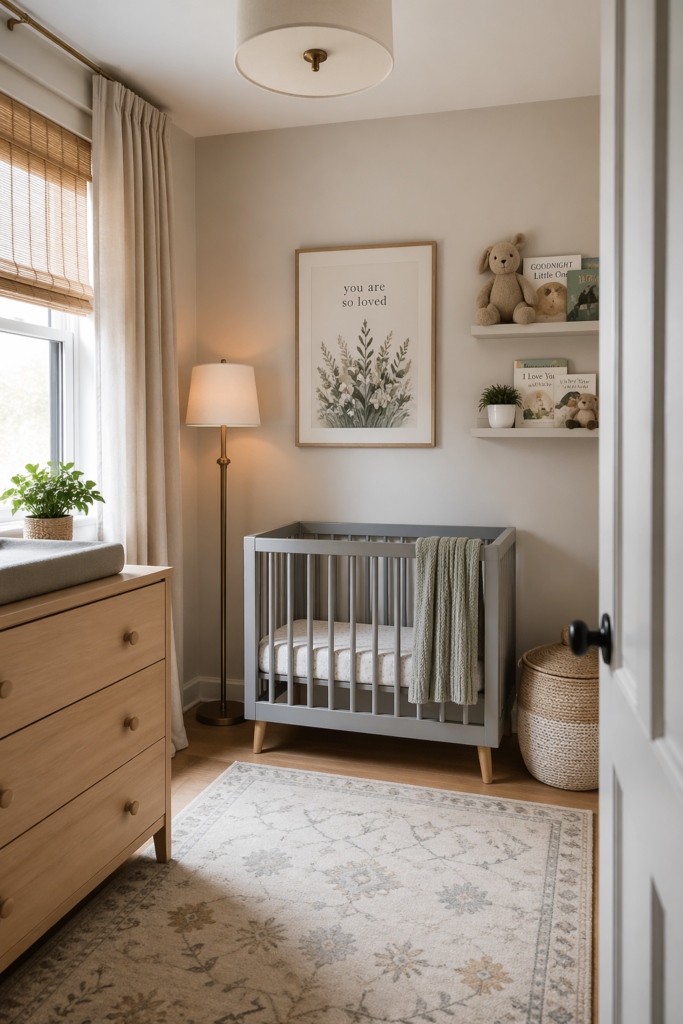
14. The “Mini-Crib” Solution
Sometimes the best layout idea is simply choosing a smaller footprint for the furniture itself. A mini-crib offers all the comfort of a standard crib but takes up significantly less space, allowing for more flexible placement. This is such a special decision for apartments or historic homes with tiny bedrooms.
A mini-crib can often fit in spots a standard crib can’t, like between a closet and a window. This allows you to maintain a better “flow” in the room and keeps you from feeling like the furniture is “winning.” Remember, your baby will feel just as loved and secure in a slightly smaller, well-designed space.
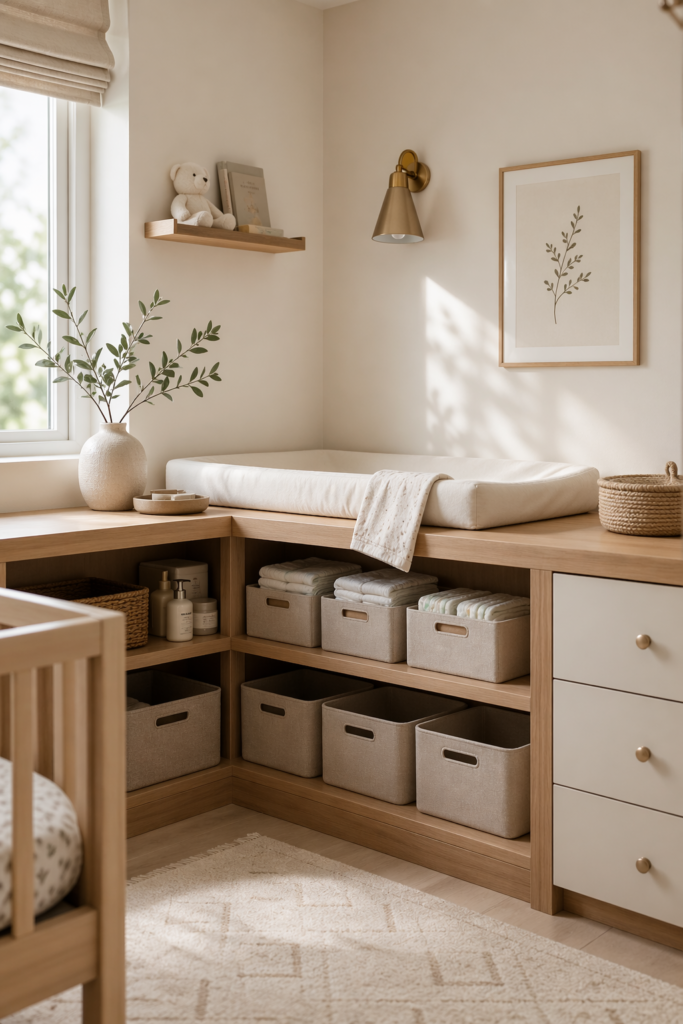
15. The Wrap-Around Corner Desk/Changer
Using a corner unit that serves as both a changing table and storage is a wonderful way to utilize the “dead space” of a corner. This wrap-around furniture style keeps all your diapering essentials in one spot while leaving the long walls open for the crib. This is a beautiful way to prioritize “Zen-inspired” functionality and movement.
This layout keeps your “work zone” tucked away, allowing the rest of the room to focus on rest and play. It’s a supportive way to organize a nursery that might also have to function as a guest room or storage hub. This choice reflects your intuition for a home that is both practical and peaceful.
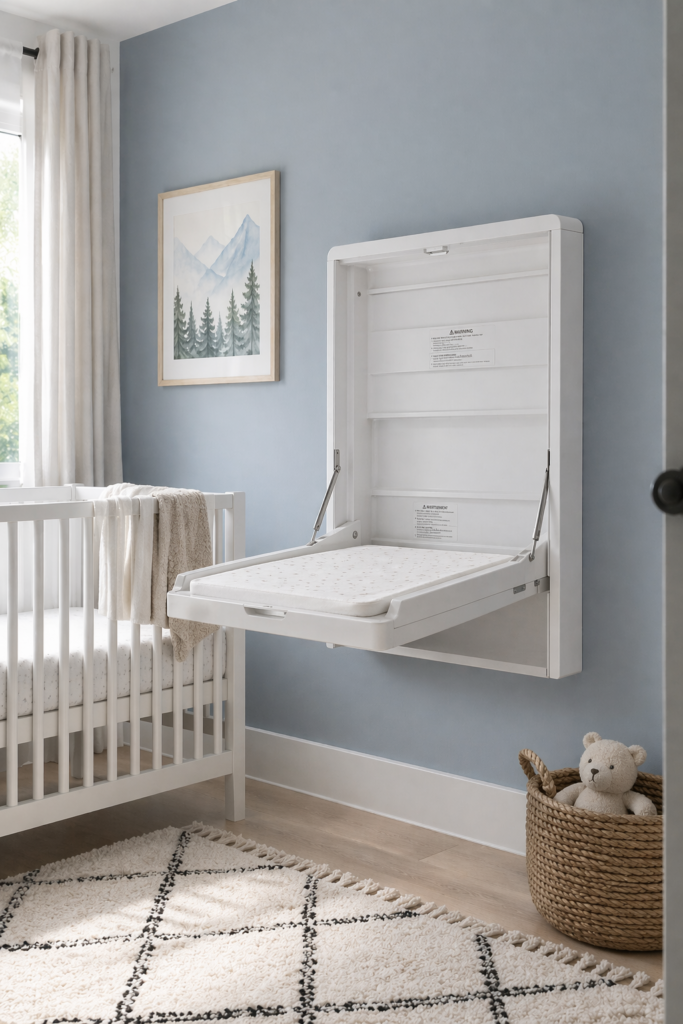
16. Wall-Mounted Drop-Down Changer
For the ultimate space-saving layout, consider a wall-mounted changing table that folds up when not in use. This keeps the floor completely clear 90% of the time, which is a total game-changer for very small nurseries. This is an inspirational way to maintain a minimalist look while having a fully functional nursery.
When folded up, many of these units look like a simple piece of wall art or a cabinet. It’s a mix of modern innovation and classic necessity that supports your desire for a clutter-free home. At the end of the day, it’s about finding tools that adapt to your space, not the other way around.
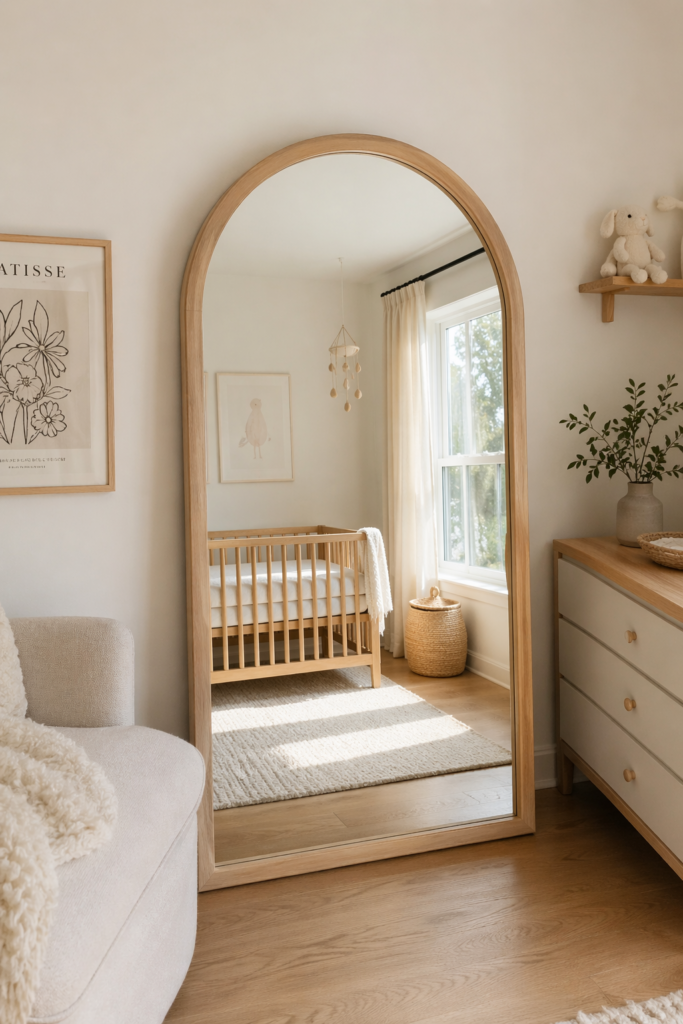
17. The Mirrored Wall Expansion
While not a furniture placement per se, incorporating a large mirror into your layout is a “pro tip” for making any small room feel twice as big. Placing a floor-length mirror opposite the door or window reflects light and creates the illusion of depth. This is a beautiful way to open up the energy of the nursery and make it feel more expansive.
Choose a mirror with a soft wooden or metallic frame to tie into your Japandi or Scandi theme. Seeing the reflection of the room’s beautiful details helps you appreciate the sanctuary you’ve created. This gentle guidance for the eyes makes the small footprint feel like a special choice, not a limitation.
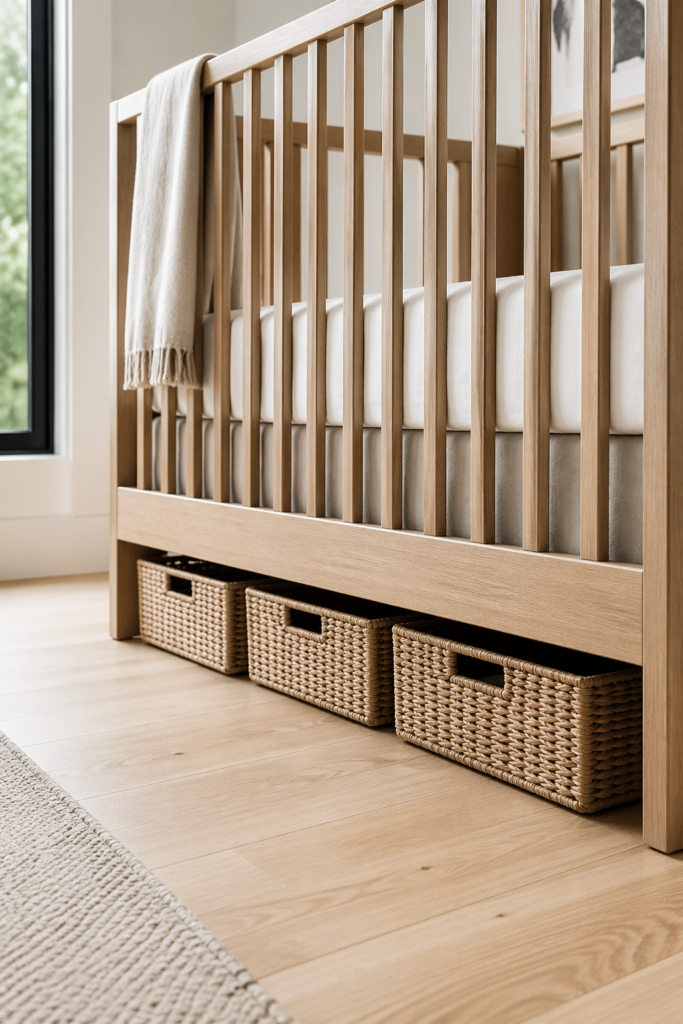
18. Under-Crib Storage Bins
If your crib has enough clearance, using the space underneath for rolling storage bins is a brilliant layout move. This “hidden” storage is perfect for extra diapers, wipes, or out-of-season clothing. This is such a special decision because it utilizes space that is usually just for dust bunnies.
Look for low-profile bins with wheels so you can easily skim through your supplies when needed. This layout keeps the room’s visual lines clean because everything is tucked out of sight. Remember, a tidy room helps foster a tidy mind, which is so helpful for those early months of parenthood.
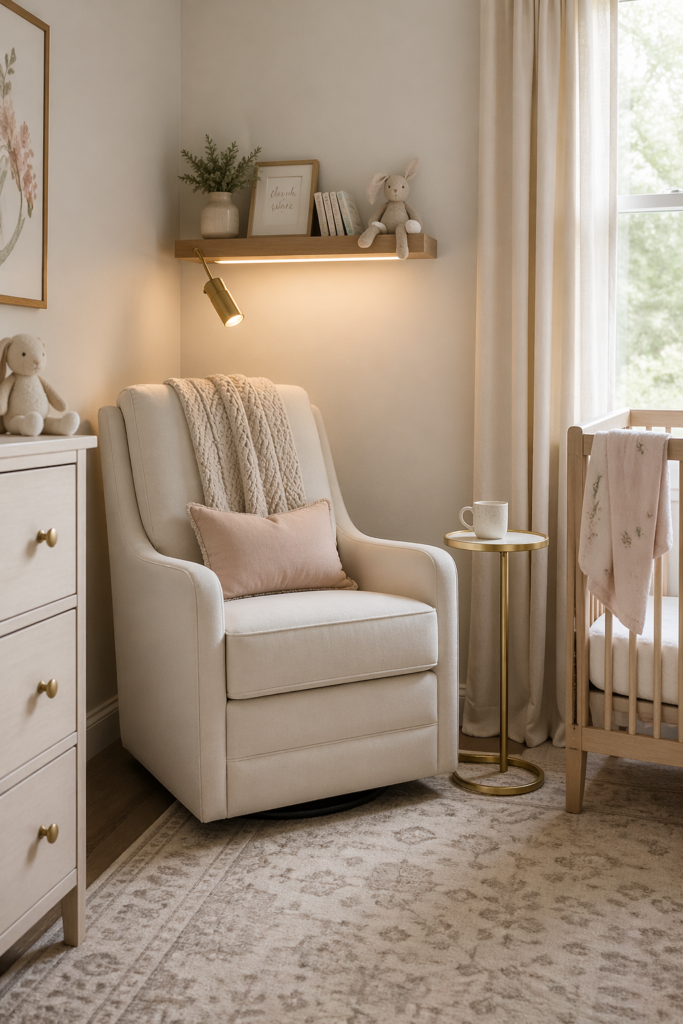
19. The Multi-Functional Glider Corner
Instead of a separate chair, ottoman, and side table, choose a glider with built-in features or a very small footprint. Placing this in the smallest corner with a tiny “C-table” that slides over the arm saves precious inches. This is a beautiful way to ensure you have a supportive spot for feedings without overwhelming the room.
By keeping the “parent zone” compact, you leave more room for your baby to explore as they grow. This layout emphasizes the importance of shared moments while respecting the physical limits of the space. It’s a final, encouraging reminder that a small nursery can be a place of immense love and serenity.
Tips for a Tiny (but Perfect) Nursery
- Think Thin: Choose “apartment-sized” furniture that scales down the width without losing function.
- Lighten the Load: Use light colors and mirrors to bounce light around and keep things feeling airy.
- Edit Often: In a small space, items can pile up fast. Do a quick “skim” once a month to donate or store what you don’t need.
Reassure yourself that your baby doesn’t need a huge room to feel your huge love. Emphasize your personal choice and trust that your intuition has led you to create the exact right home for your family. At the end of the day, the best nurseries aren’t the biggest ones—they’re the ones filled with the most peace.
Get Fresh Home Ideas Every Week
Seasonal decor ideas, organizing tips, and cozy home inspiration, straight to your inbox.