
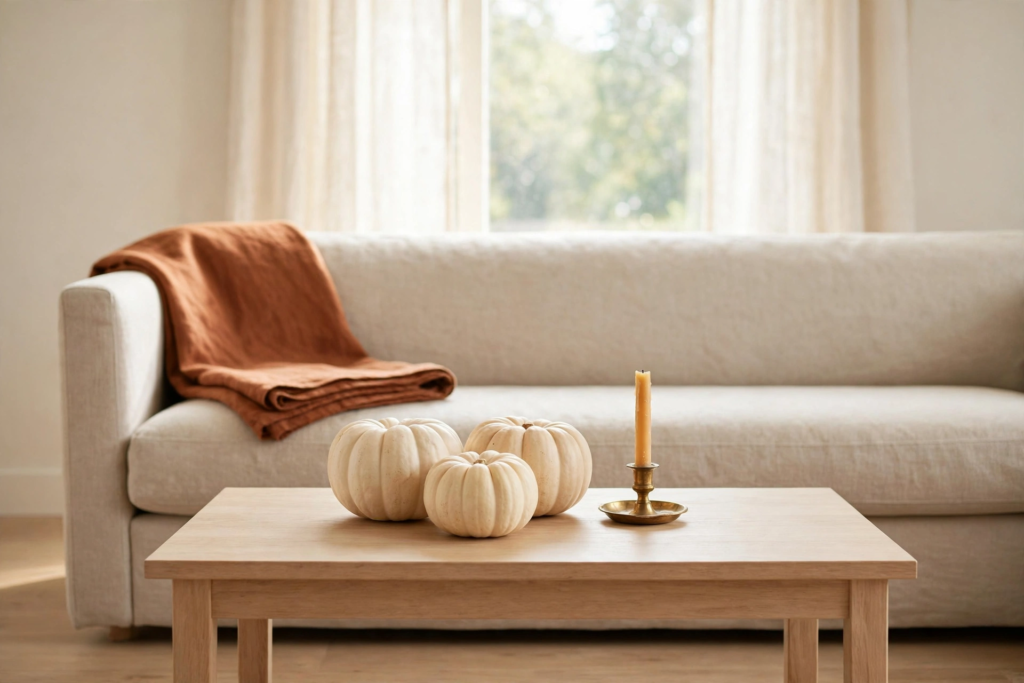
You know that moment when you finish decorating for fall, step back with your coffee, and something feels off? The room has all the right things in it. Pumpkins, plaid, candles, the works. And yet instead of cozy, it just feels busy. Your eyes do not know where to land. I have been there more times than I care to admit, usually on a Sunday evening with bins still open on the floor.
Here is what I have learned after years of decorating and then quietly removing half of it. Fall should feel like the light changing at dinner time. It should smell faintly of cinnamon and woodsmoke, sound softer somehow, and make you want to curl up and stay a while. Clutter steals that feeling. The good news is that clutter almost never comes from having ugly things. It comes from a handful of small habits we all fall into, and every single one of them is easy to fix.
This year the whole mood of fall decorating has shifted toward calmer, more edited rooms, and honestly I am relieved. Readers write to me about this more than anything else. Not what to buy, but what to avoid. So this post is the honest list. Nineteen mistakes I see again and again, including in my own home, and the simple fix for each one. If you want the gentler side of the season after this, my warm minimalist living room ideas for fall are a lovely place to land.
Love these ideas? Get more every week.
Join the newsletter for seasonal decor and cozy home inspiration.
When More Stops Feeling Cozy
1. Pumpkins in Every Corner
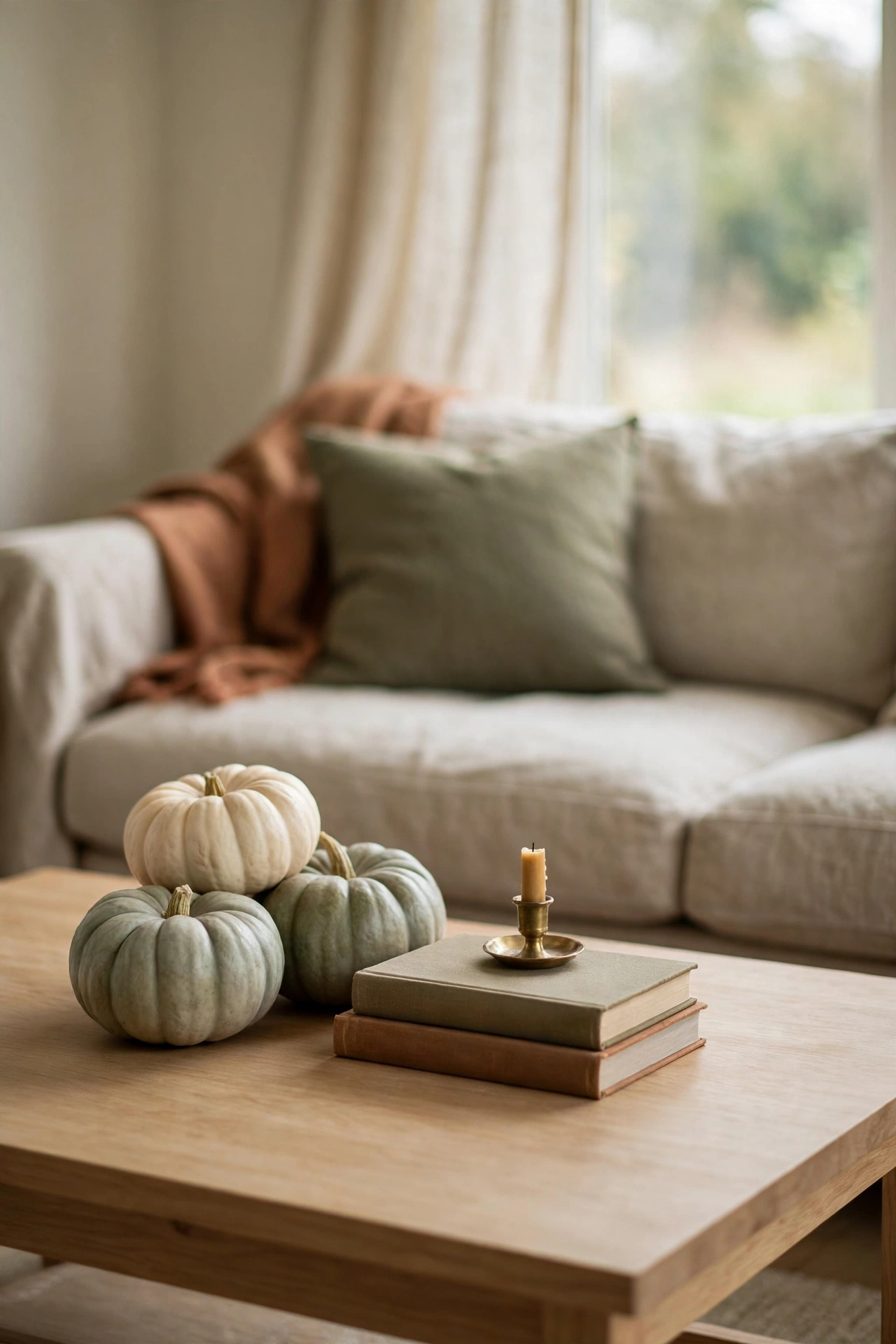
This is the big one, friend. One pumpkin is charming. Three pumpkins gathered together look styled. Twenty pumpkins spread across every room stop reading as decor and start reading as inventory. I used to line them along the mantel, the coffee table, the stairs, the kitchen counter, even the bathroom sink. Everywhere I looked, another pumpkin. The room felt like a patch you had to walk through instead of a home you get to live in. The fix is so simple it almost feels like cheating. Gather your pumpkins into a few generous clusters and let the rest of the room breathe. One cluster on the coffee table. One by the front door. Maybe one on the dining table. That restraint is what makes each cluster feel special, and it is the first place my principle comes in. Empty space is part of the decor. A bare stretch of table is not a missed chance. It is what lets the pretty things shine.
Shop This Look
This post contains affiliate links. If you buy through them, I may earn a small commission at no extra cost to you.
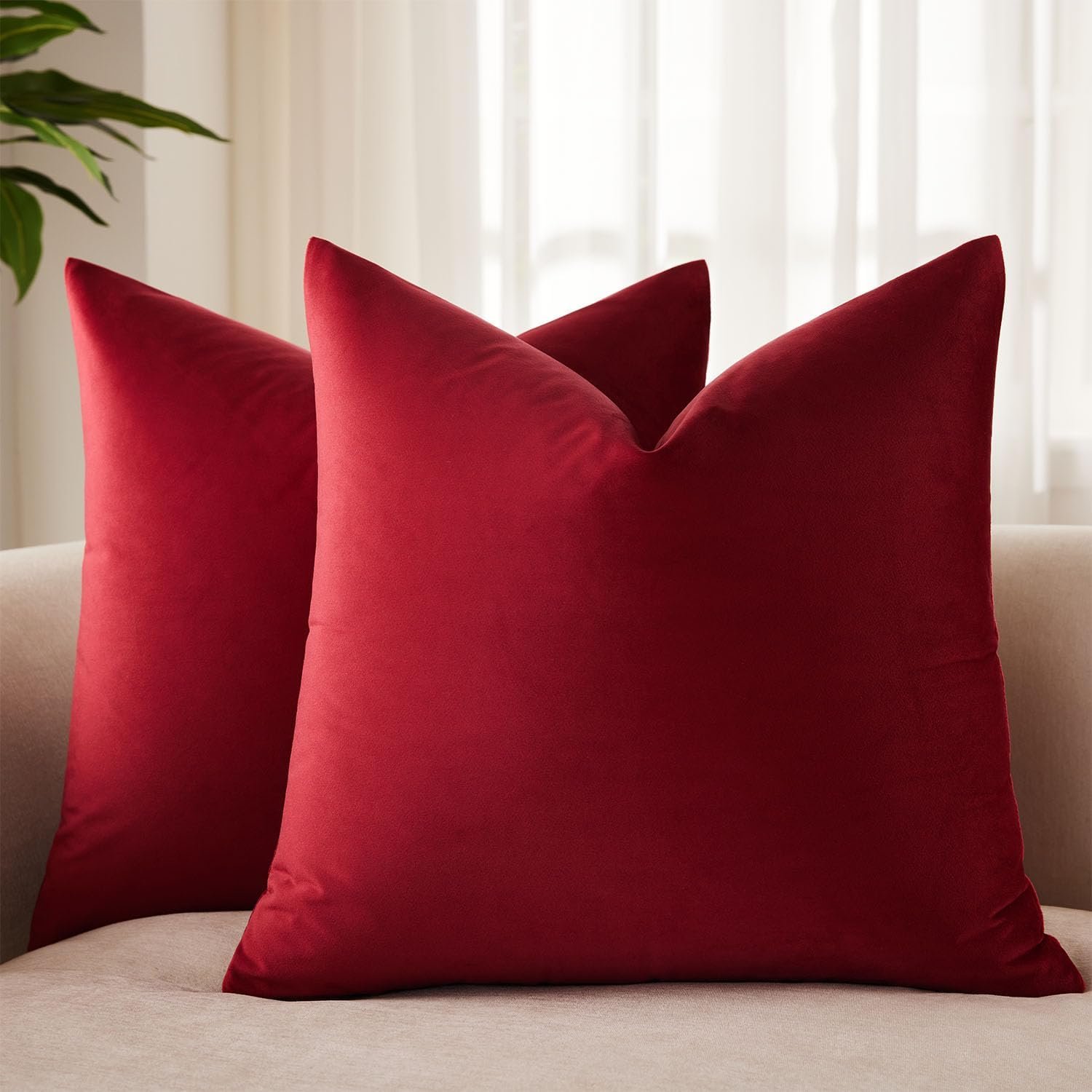
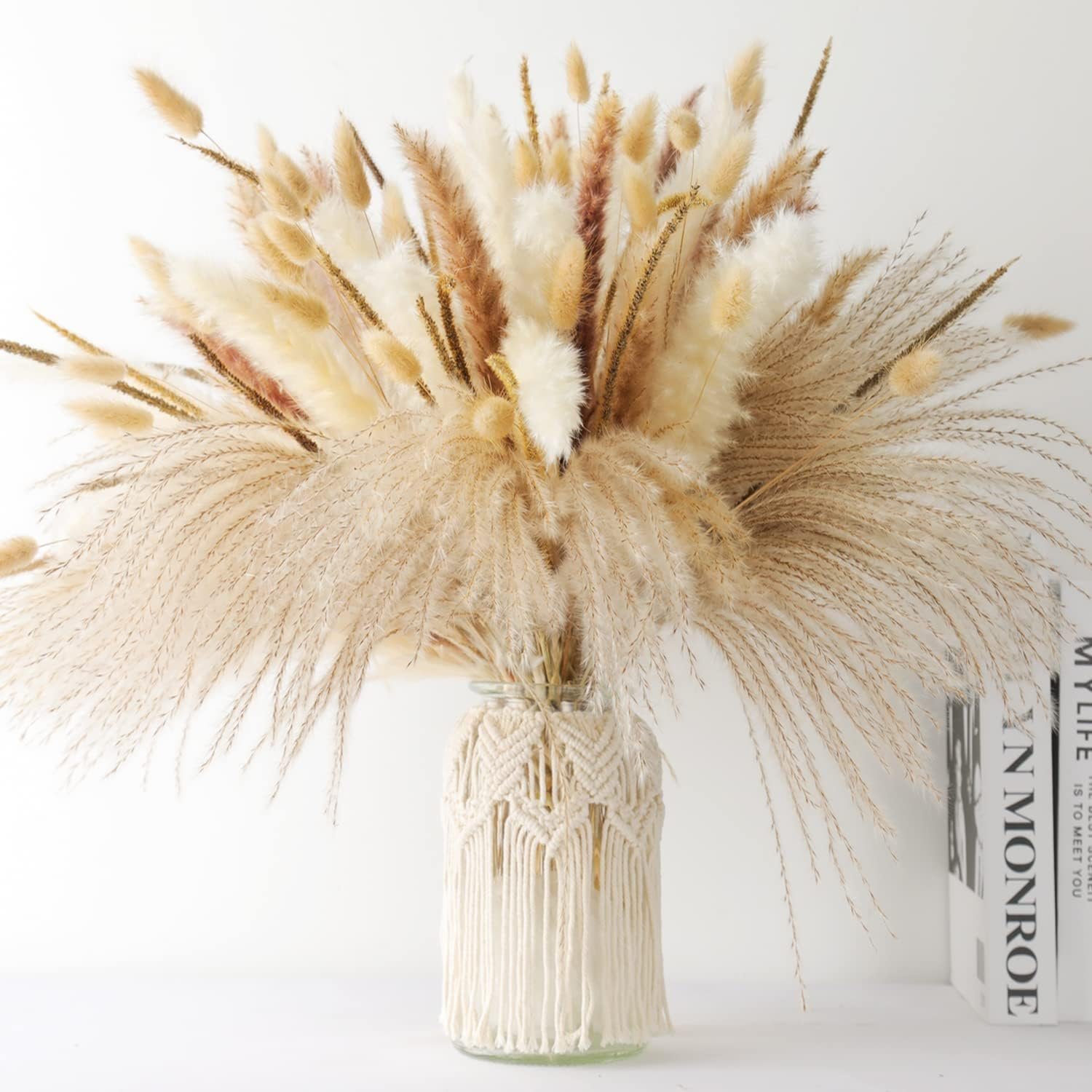
A few favorites featured in the ideas above:


2. Every Surface Covered
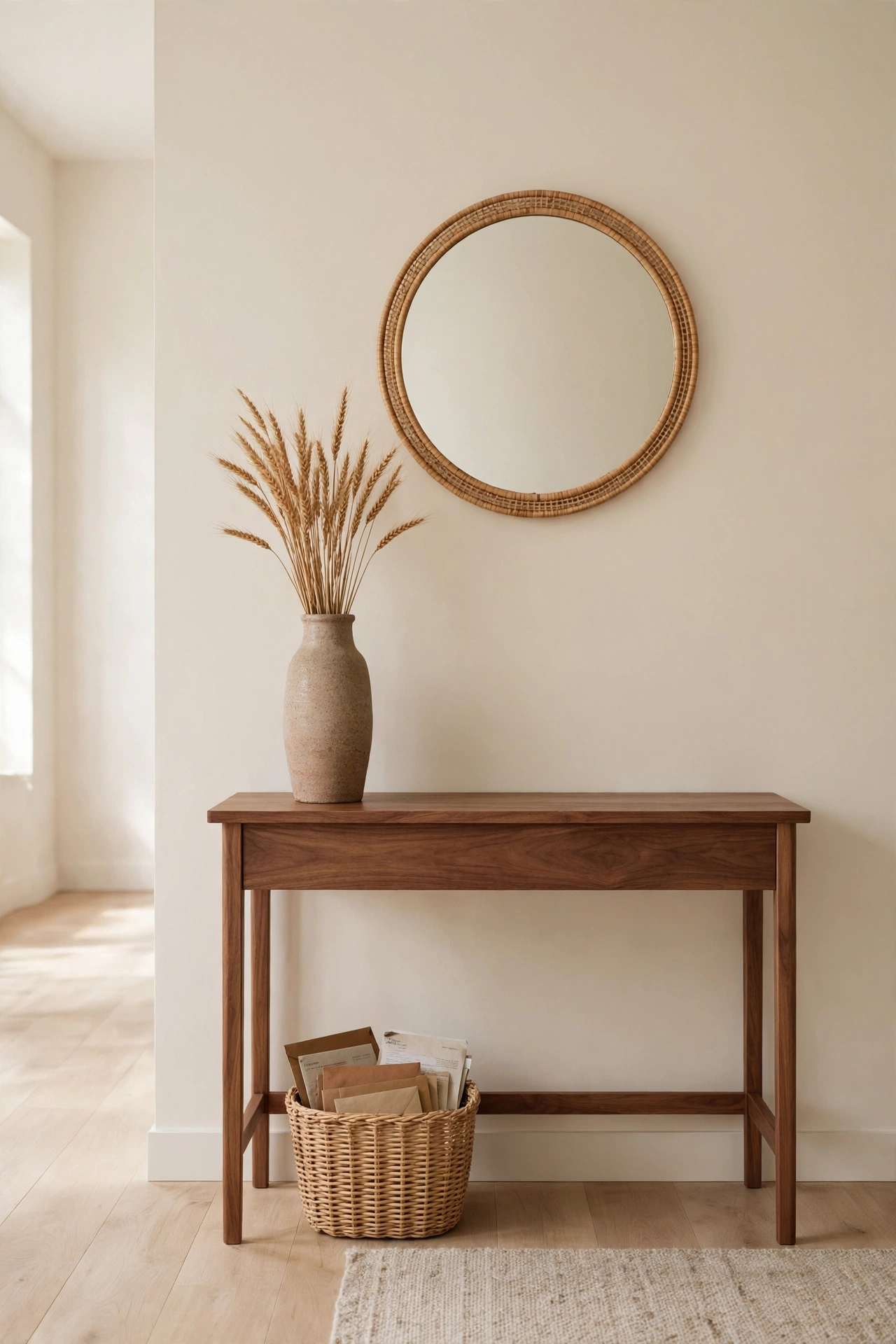
Walk into a room and look at the flat surfaces. The console, the coffee table, the side tables, the top of the piano if you have one. If every single one of them is holding something decorative, the room will feel full no matter how lovely each piece is. I call it the landing strip problem. Nothing has a place to land, including your eyes, your coffee mug, or the book you are actually reading. A home needs working surfaces, not just styled ones. My rule now is that at least half of every surface stays empty. The console by our door holds one vase and a small basket for mail, and that is all. It looks calmer, it photographs better, and on real life weeknights it gives the keys and the library books somewhere to go that is not the floor. When a surface starts collecting again, and it always tries to, I clear it back to those two things and start fresh.
3. Little Pieces Scattered Everywhere
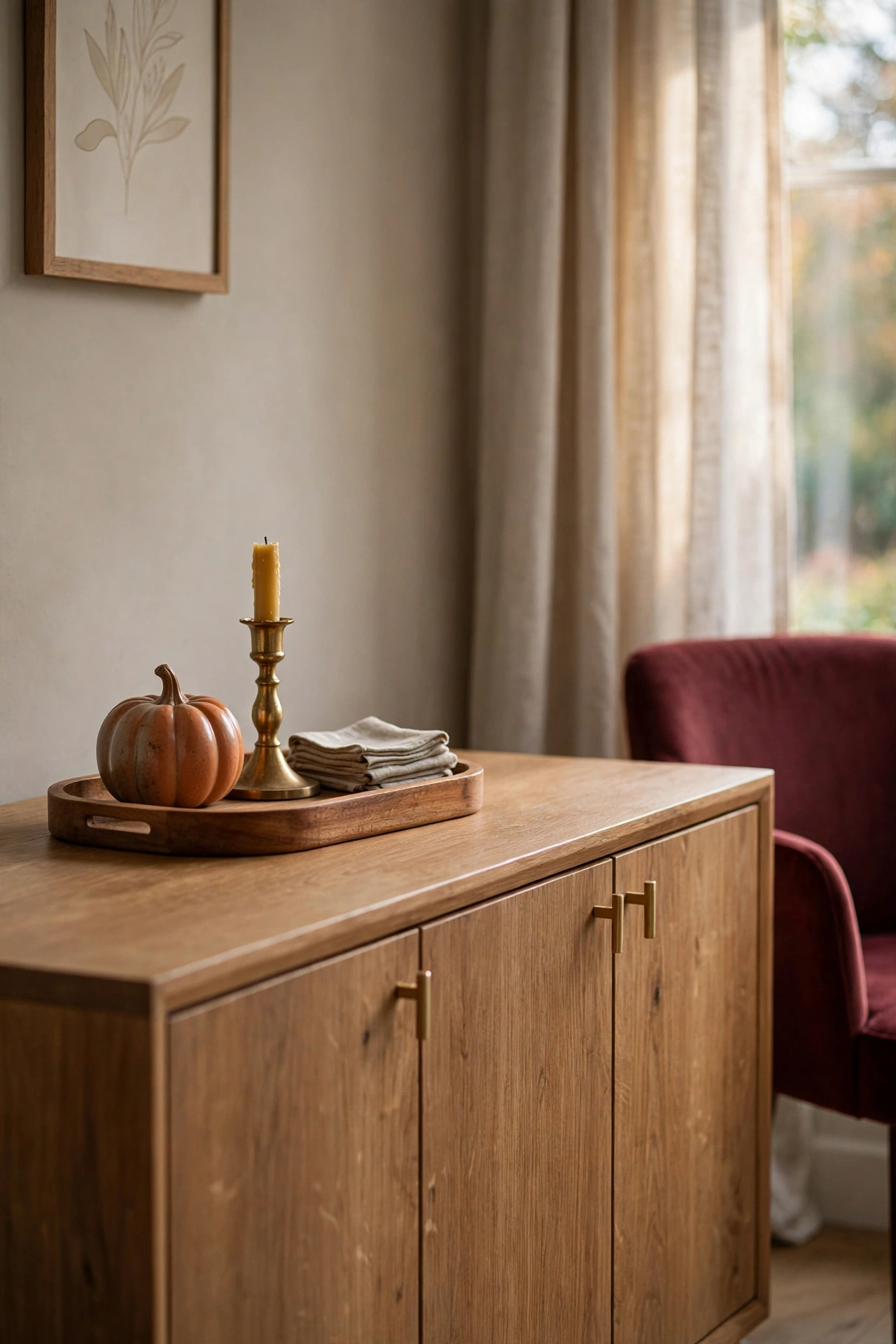
Tiny decor is sneaky. One little ceramic acorn looks sweet. Twelve little things spread across a room look like the contents of a junk drawer arranged with good intentions. Small pieces on their own have no weight, so the eye skips over each one and registers the total as visual noise. This is where my favorite principle saves the day. Group it or lose it. Take those small pieces and gather them onto one tray, one stack of books, or one shallow bowl. Suddenly the acorn, the candle, and the tiny pumpkin are a moment instead of a mess. A tray does something almost magical. It tells the eye that everything inside its edges counts as one thing. One thing is decor. Twelve loose things are clutter, even when they are the exact same objects. I keep a wooden tray on our sideboard all season and edit what lives on it, and that one habit changed how tidy the whole dining room feels.
4. Singles Instead of Groups
While we are talking about grouping, let us talk about the lonely single. One candlestick standing by itself on a shelf. One small frame. One vase with two sad stems in it. Singles dotted around a room make everything feel accidental, like the decor just landed wherever it was set down. Decorators have used the same trick forever, and it works because our eyes love it. Things arranged in groups of three look intentional and balanced. A tall piece, a medium piece, and a low piece together tell a little story. On our bookshelves I style each shelf with one group, then leave real empty space before the next group begins. The shelves look curated instead of crowded, and I actually use fewer objects than I did back when every shelf was full end to end. If a shelf in your home feels busy, try taking everything off, then put back only groups. You will be amazed at how much you leave in the basket.

5. A Mantel With No Room to Breathe
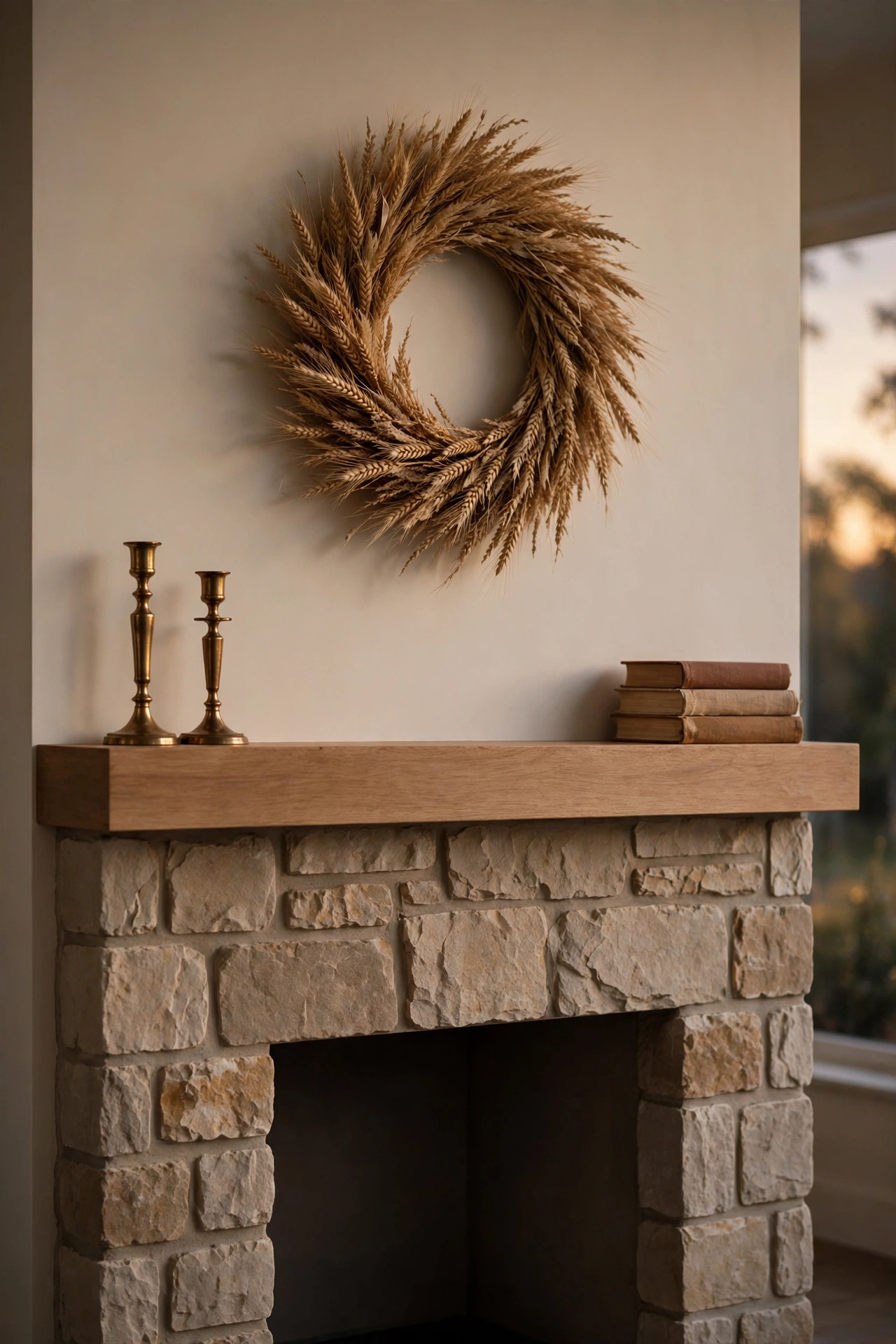
The mantel is the headline of the living room, which is exactly why we load it like a parade float. Garland, pumpkins, candles, framed art, a sign, more candles, and then one more pumpkin because there was a gap. Sound familiar? A crowded mantel makes the whole room feel crowded, because it is the first thing everyone sees. Here is the kinder way to think about it. Let one thing be the star. For me that is usually a big wreath or one strong piece of art, hung with real presence. Then I add two quiet supporting acts, maybe candlesticks on one side and a small stack of books on the other, and I leave the rest of the mantel bare on purpose. The star gets to shine, the fireplace stays the calm center of the room, and the whole space exhales. Our fall front entryway ideas follow this same star system, and it works at the front door just as well as it does at the hearth.
Color and Pattern, Kept in Check
6. Bright Orange Running the Show
Can we talk about the orange? I love a real pumpkin as much as anyone, but when bright orange shows up in the cushions, the throw, the wreath, the table runner, and a dozen plastic pumpkins all at once, the room stops feeling like fall and starts feeling loud. Bright orange is a spice, not a main dish. The rooms that feel the most like autumn to me lean on the deeper, moodier end of the season. Rust, camel, oatmeal, olive, chocolate brown, and burgundy, with brass to warm it all up. Those colors whisper fall instead of shouting it, and they play so nicely with the wood and linen most of us already own. If you have a lot of bright orange in your bins, you do not need to replace it all. Just spread it thin. Let it appear in one or two places per room, like the pumpkins on the porch and a single cushion, and let the muted tones do the heavy lifting everywhere else. The room will feel richer, calmer, and far more expensive than it is.
7. Every Pattern Shouting at Once
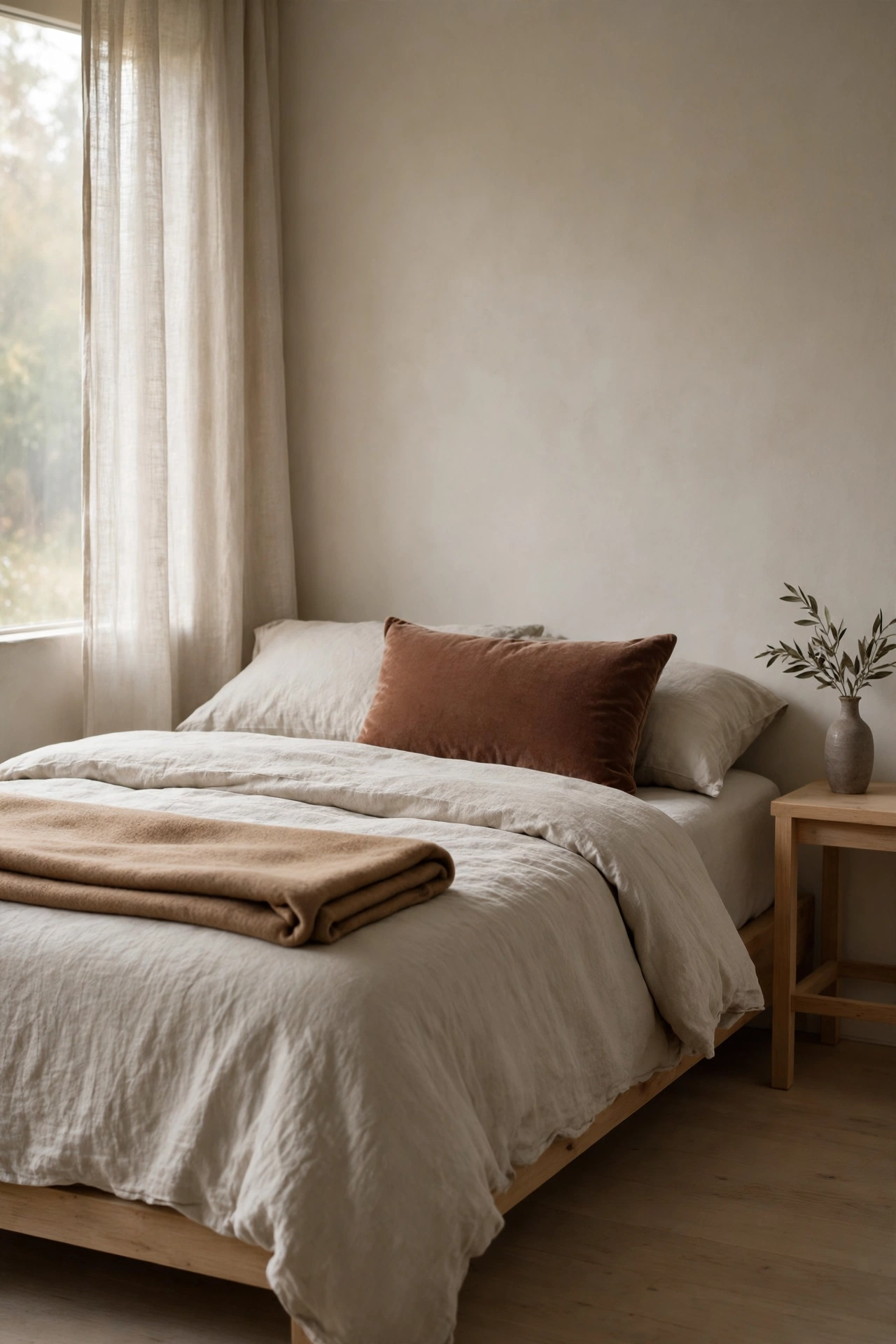
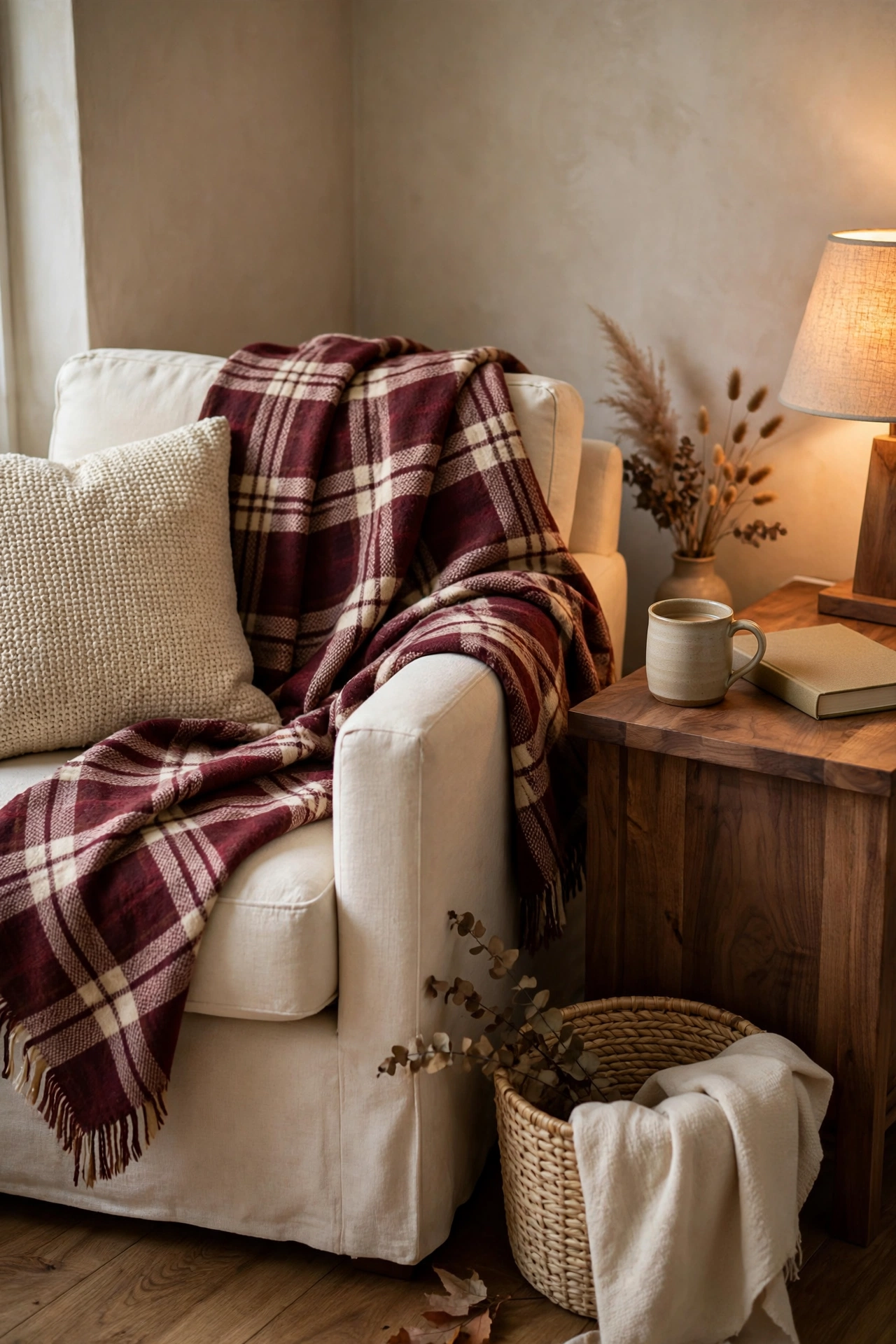
Plaid is fall. Floral is lovely. A bold stripe has its place. All three in the same corner, plus a patterned rug and a patterned curtain, and the room starts to buzz like a beehive. Patterns are wonderful, but each one is a voice, and too many voices at once is just noise. My approach is simple. One pattern gets to be the star of each room, and everything else goes quiet and textured instead. A burgundy plaid throw over a plain linen chair. Solid cushions in two or three colors pulled from that plaid. A rug with a soft, subtle pattern if the room still wants more. Texture is how you keep a calm room from going boring. Knit, linen, wool, and boucle give your hands and eyes plenty to enjoy without a single extra print competing for attention. When in doubt, squint at the room. If you can count more than two strong patterns in one view, one of them needs to move to another room.
8. A New Color Story in Every Room
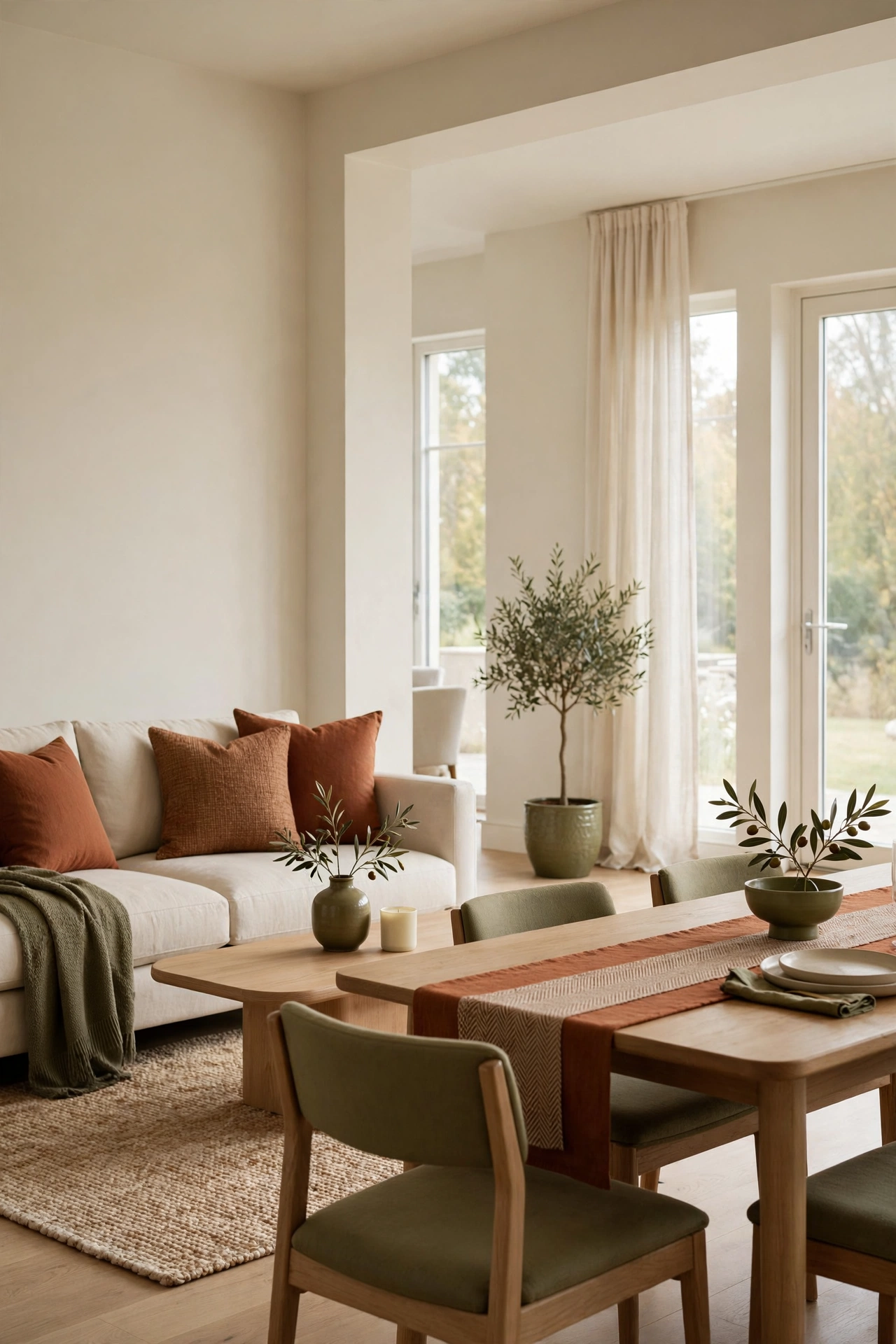
This one is subtle, and it makes a bigger difference than almost anything on this list. When the living room is rust and gold, the dining room is purple and gray, and the kitchen is bright red and white, walking through the house feels jarring. Each room might be pretty on its own, but together they feel like a store with departments instead of a home with a point of view. The fix is to carry one palette through the whole main floor like a thread. Our fall thread is rust, oatmeal, and olive, and it shows up in some small way in every room downstairs. A cushion here, a runner there, the same dried grasses in different vases. Rooms can still have their own personalities. The bedroom leans softer, the kitchen leans warmer. But the thread ties them together, and the whole house feels calmer and bigger because of it. This is the secret behind those homes that feel pulled together in a way you cannot quite name.
9. Shiny Finishes That Look Cheap
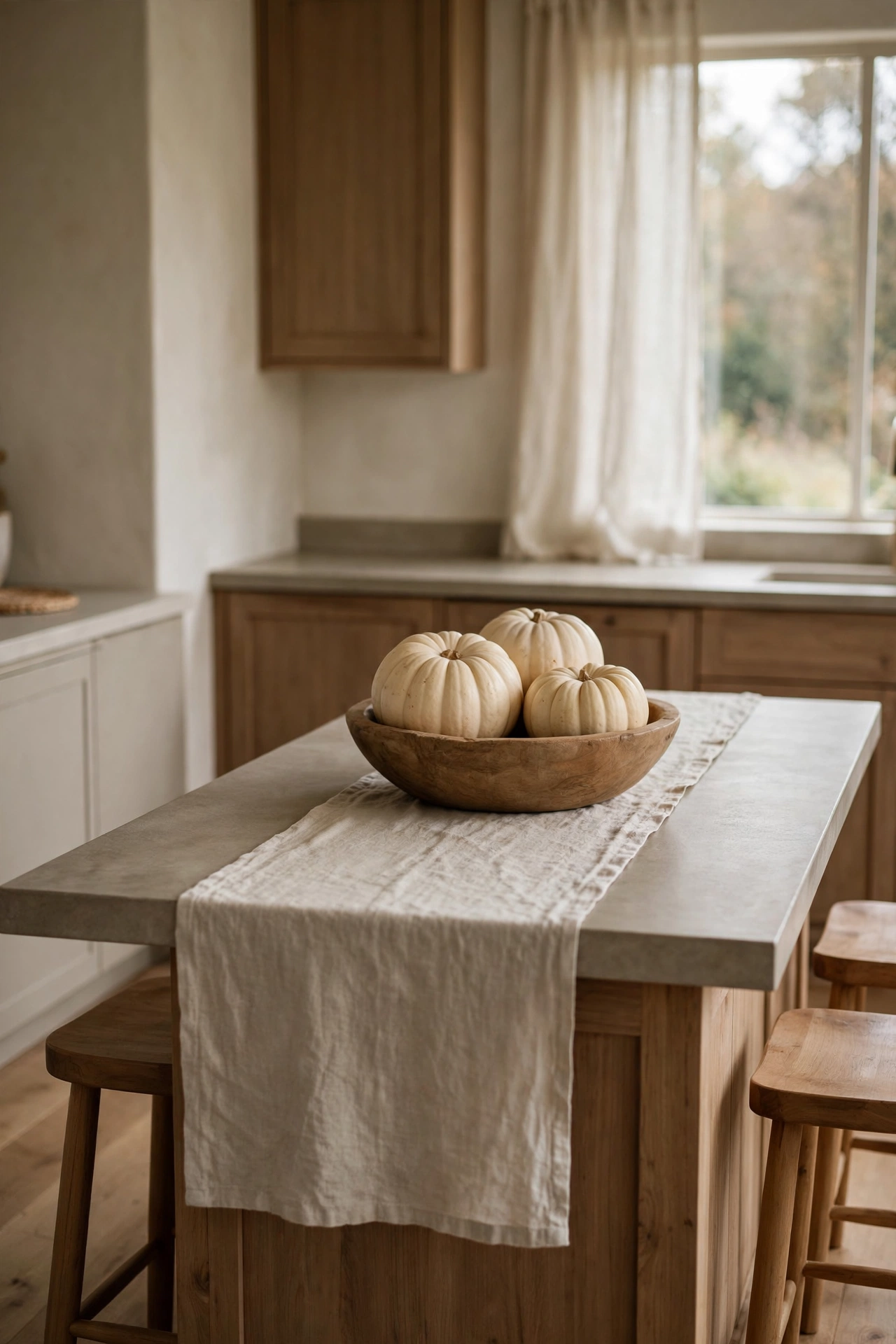
Nothing tips a room into cluttered faster than a pile of shiny, plasticky decor. Glossy faux pumpkins, glitter covered leaves, and thin metal signs with a mirror shine all reflect light in a hard way, and the eye reads that sparkle and clutter as the same thing. Fall is a matte season in nature. Real pumpkins have a soft skin. Dried wheat is dusty gold. Wood, linen, stoneware, and aged brass all have that gentle, low sheen that makes a room feel warm instead of loud. When you are shopping, run your hand over the piece. If it feels and looks like plastic, it will read like plastic from across the room, no matter how cute the shape is. Choose one real or natural looking material over three fake shiny ones and the room instantly feels calmer and more grown up. Our wooden bowl of cream pumpkins on the island does more for the kitchen than a whole bag of glossy ones ever did.
Scale, Space, and Room to Breathe
10. Pieces Too Small for the Room
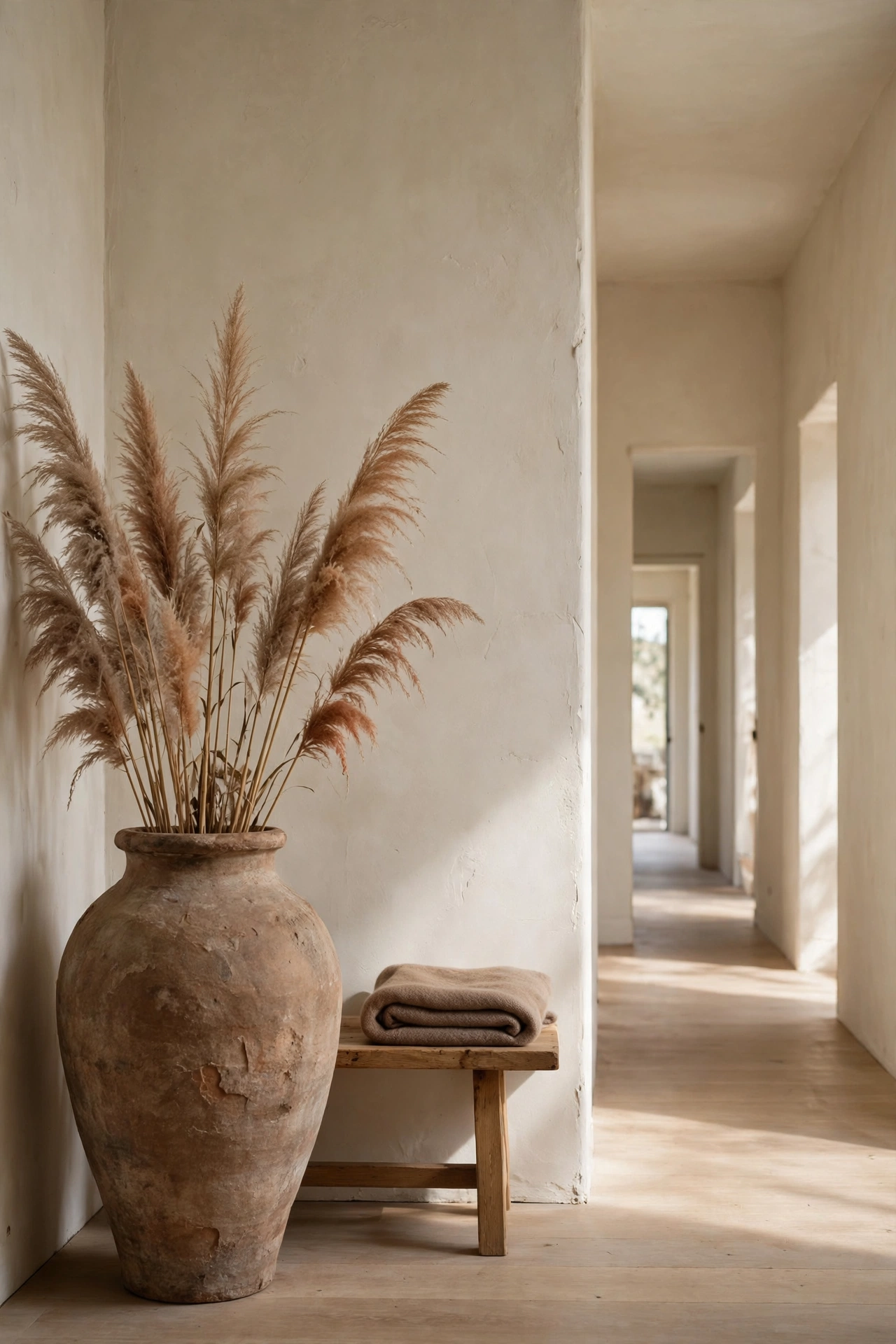
Here is a mistake I made for years without seeing it. I would buy sweet little decor, bring it home, and wonder why it looked like clutter instead of style. The pieces were simply too small for the space. A tiny vase on a big wall, a little frame floating over a long sofa, a small pumpkin lost on a wide mantel. When decor is undersized, you need lots of it to make any impact, and lots of little things is the very definition of clutter. The fix feels scary the first time. Go bigger than you think. One oversized vase with tall dried grasses makes a hallway feel designed all by itself. One large piece of art over the sofa settles the whole wall. Scale is generous that way. A few big, confident pieces will always look calmer than a crowd of small ones, and you will dust far less, which is its own gift. Start with the spot that bothers you most and trade the cluster of small things there for one strong piece.
11. Furniture Pushed Flat to the Walls
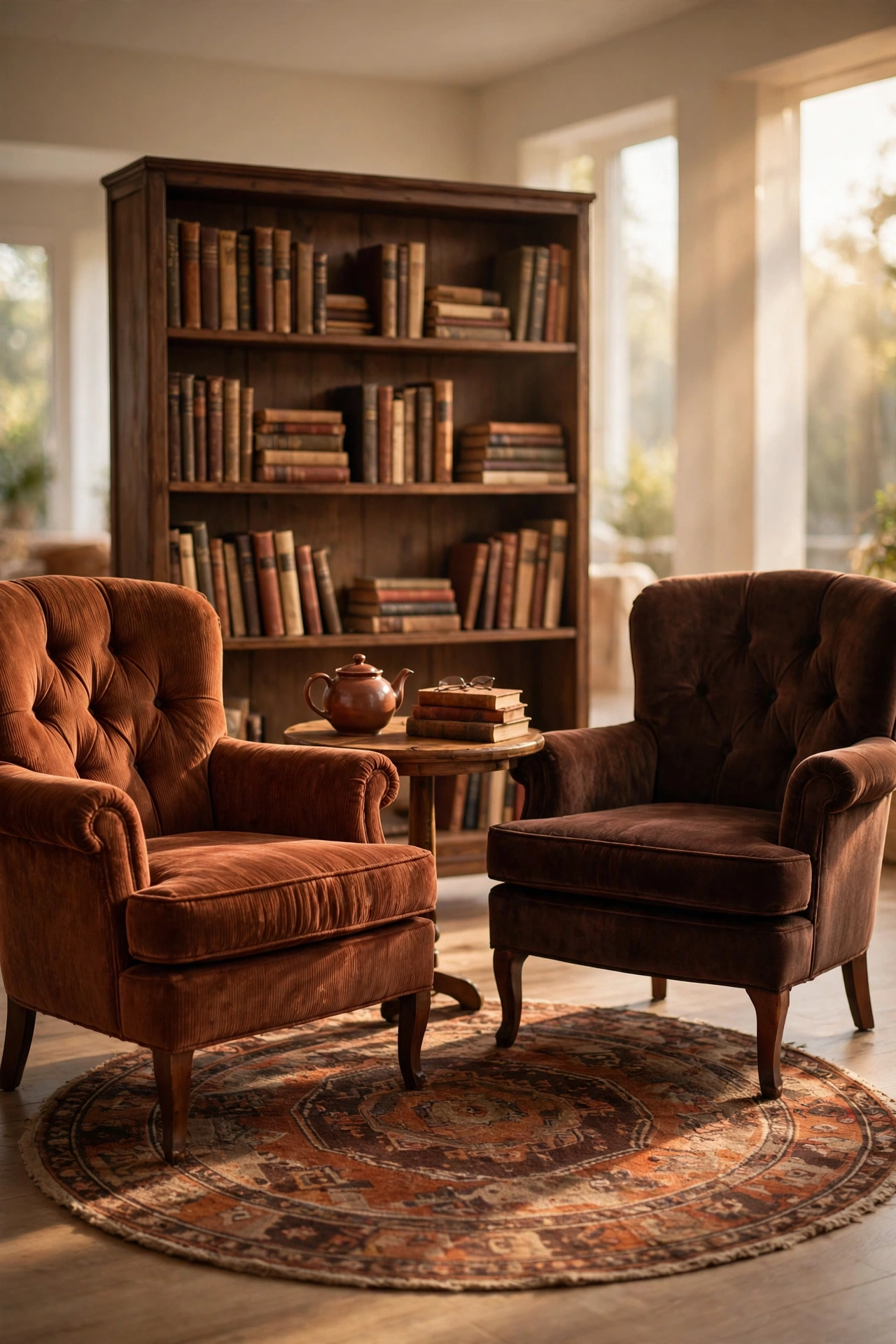
This is a decorating mistake rather than a decor one, but it creates the same crowded feeling. When every piece of furniture is shoved against a wall, the middle of the room becomes an empty dance floor and the edges become a crowded ring. The room feels both empty and cluttered at the same time, which is a strange trick. Pulling your furniture in, even a little, changes everything. Float the sofa a few inches off the wall. Angle two chairs toward each other over a rug with a small table between them, and a dead corner becomes the spot everyone fights over at book club. Conversation groupings make a room feel intentional, and intentional rooms never read as cluttered. If your layout has been in wall hugger mode since you moved in, try moving just the chairs this weekend. You can always push them back, but I doubt you will want to.
12. Windows and Walkways Blocked
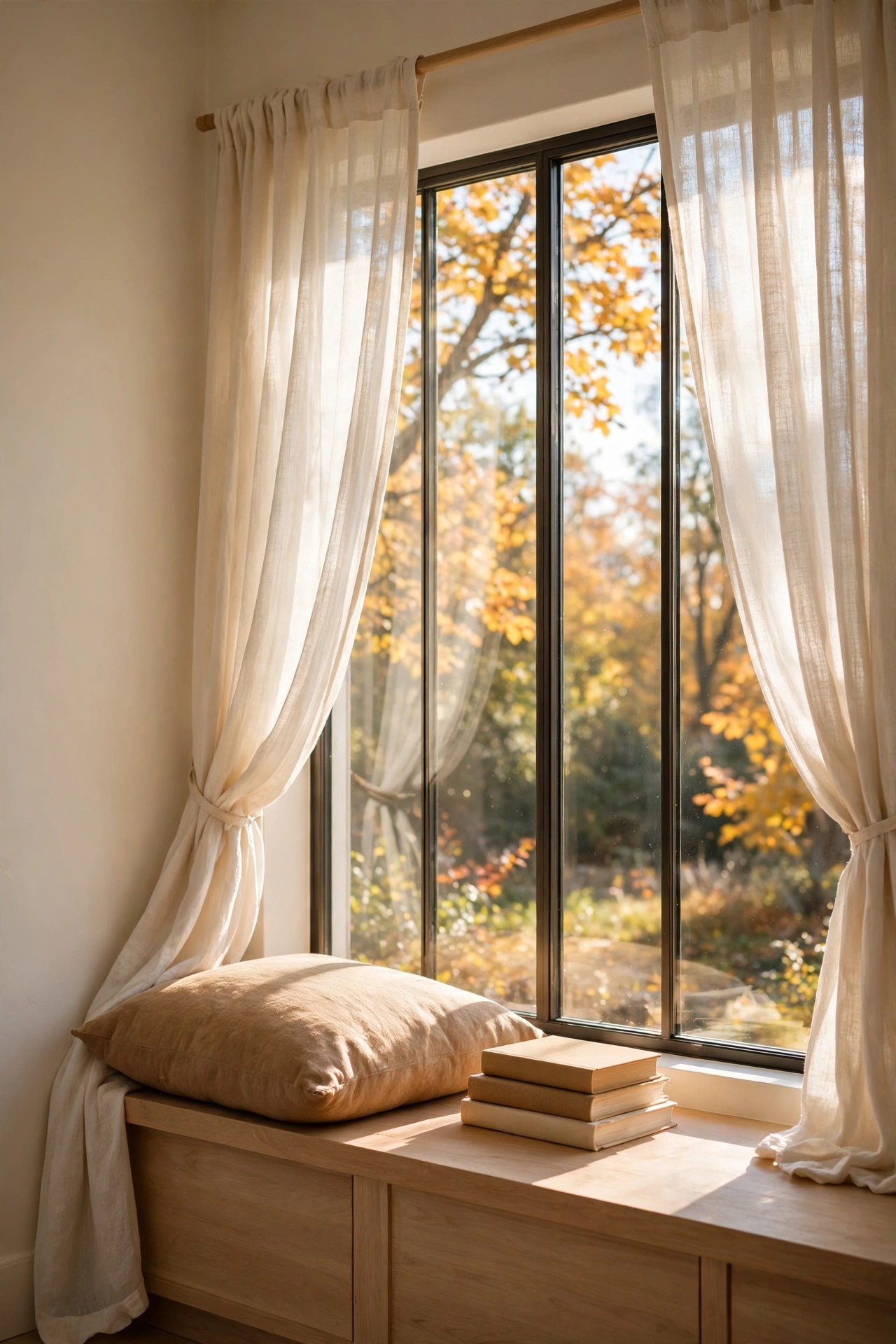
Fall decor loves to migrate. A stack of pumpkins settles in front of the window. A garland drapes across the shelf you reach past every day. A basket of blankets lands in the hallway where everyone squeezes by with laundry. Before long the house feels smaller and darker, and nobody can say exactly why. Light and movement are part of how a room feels, and blocking either one makes everything else feel like clutter. I do a quick lap of the house every October with fresh eyes. Can every window still pour its light into the room? Can I walk every path with a mug in my hand and not turn sideways? The window seat in our living room holds one cushion and a small stack of books now, nothing more, and the light that comes through it in the afternoon is honestly the best fall decor we own. Guard your light and your paths like they are furniture, because they are doing more work than most of the decor is.
13. A Sofa Nobody Can Sit On
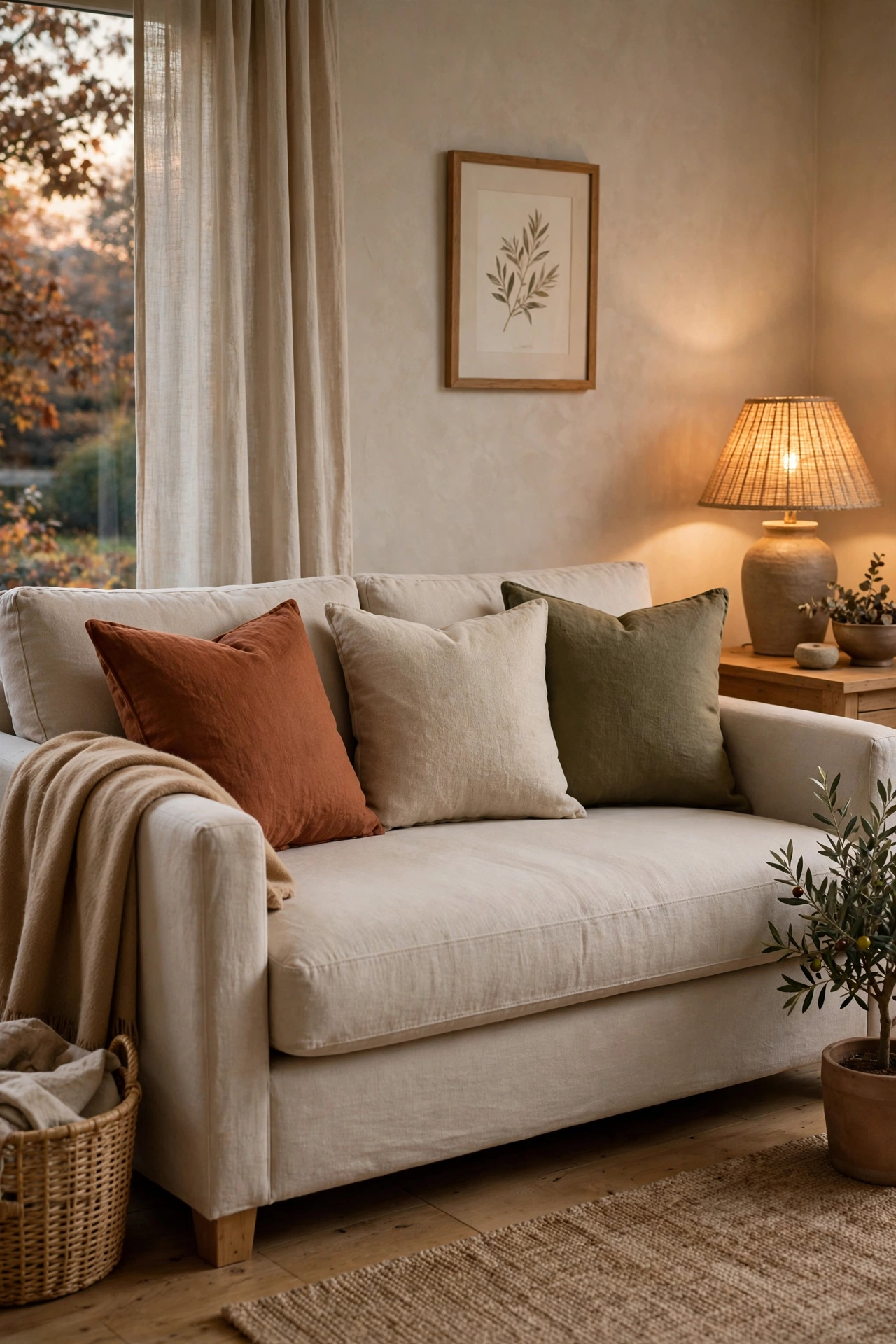
We have all seen this sofa, and many of us have owned it. Eight cushions deep, two throws, and a stuffed pumpkin with a wise saying, arranged so beautifully that sitting down requires a full demolition first. A sofa that cannot be sat on is not cozy. It is a display, and displays in the middle of a living room read as clutter because they are not doing their job. Here is my honest edit. Three cushions is plenty for most sofas, and four is the absolute limit for a big sectional. Choose them in your palette, mix one pattern at most, and add a single throw draped over one arm where a real person might actually pull it over their legs on a cold night. The sofa in our living room now holds three cushions and one camel throw, and it gets used more than it ever did in its pageant days. Pretty and sittable is the whole point.
The Finishing Touches That Tip a Room Over
14. A Word Sign on Every Wall
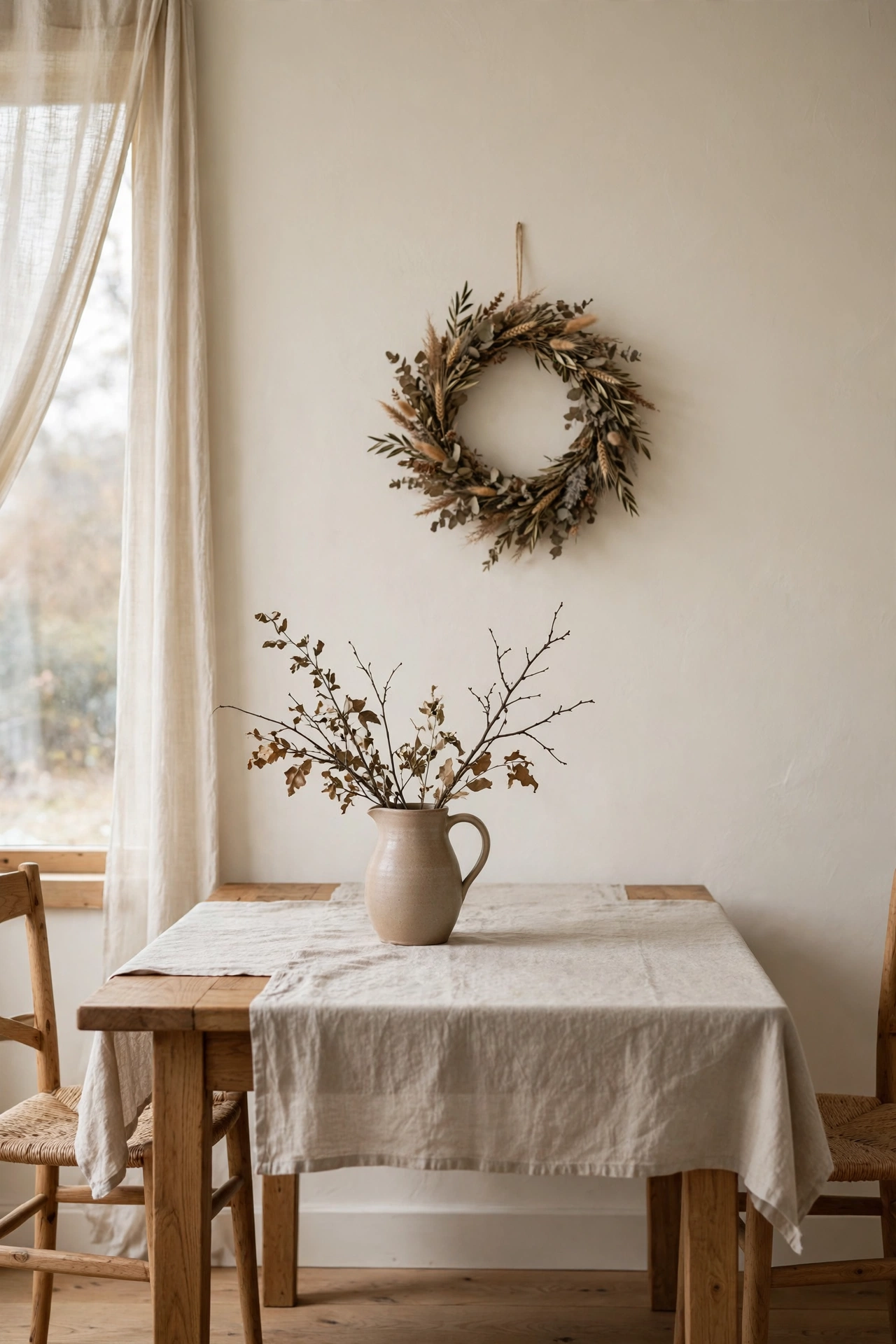
Gather. Blessed. Thankful. Hello fall. Pumpkin spice everything. I say this with love, because I have owned at least three of these signs myself. One word sign is a sweet touch. A word sign in every room, sometimes two, turns your home into a book you are being asked to read instead of a place you get to feel. Too much lettering is visual noise, the same as too many patterns, and it dates a room faster than almost anything else. My edit was gentle. I kept the one sign that genuinely makes me smile when I see it, the small one in the kitchen that has been there for years, and I let the rest go to the donation bin. In their place I hung things with no words at all. A wreath, a botanical print, a mirror. The walls feel quieter now, and quiet walls are what let the rest of the room speak. If you are a sign lover, keep your favorite and retire the supporting cast. Your favorite will mean more when it is not shouting over five others.
15. Four Themes Fighting in One Room
Farmhouse is having a moment with glam, rustic is arm wrestling with modern, and a little Halloween is squeezed in along the edges. Sound like a room you know? Mixing themes is the quiet cousin of mixing patterns. Each style brings its own materials, colors, and mood, and too many of them in one space leaves the eye with nowhere to settle. The room feels busy even when it is nearly empty. The calmest rooms commit. Pick the theme that actually fits your house and your life, and let it lead. Our main floor is warm modern farmhouse through and through. Linen, whitewashed wood, dried grasses, a little aged metal. When I fall for something outside that family, I ask whether it can live in a different room or whether I am just smitten for an afternoon. Nine times out of ten, it stays at the store, and the house thanks me. One clear theme, repeated with confidence, will always look richer than four themes sharing a room.
16. Candles and Lanterns in Every Corner
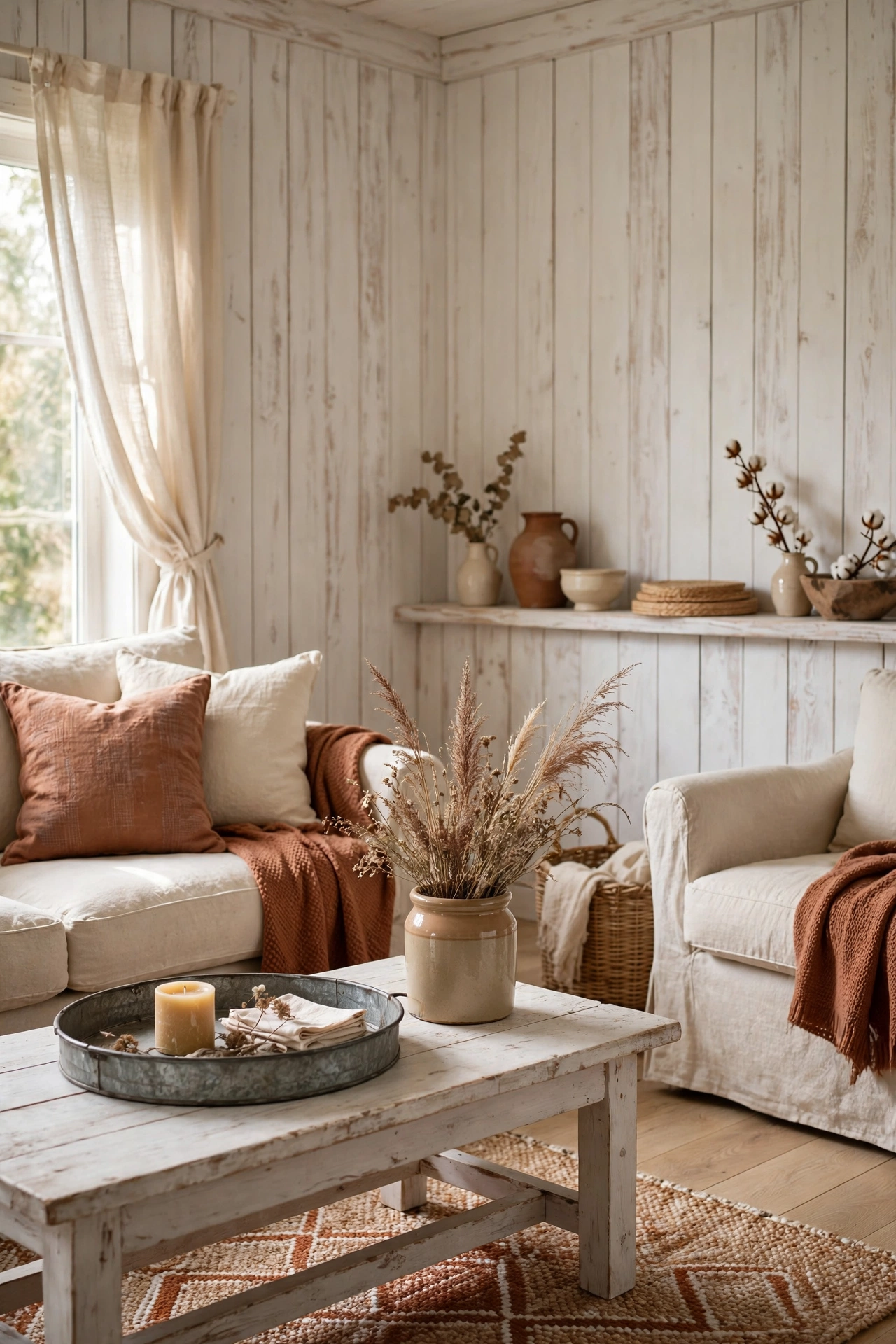
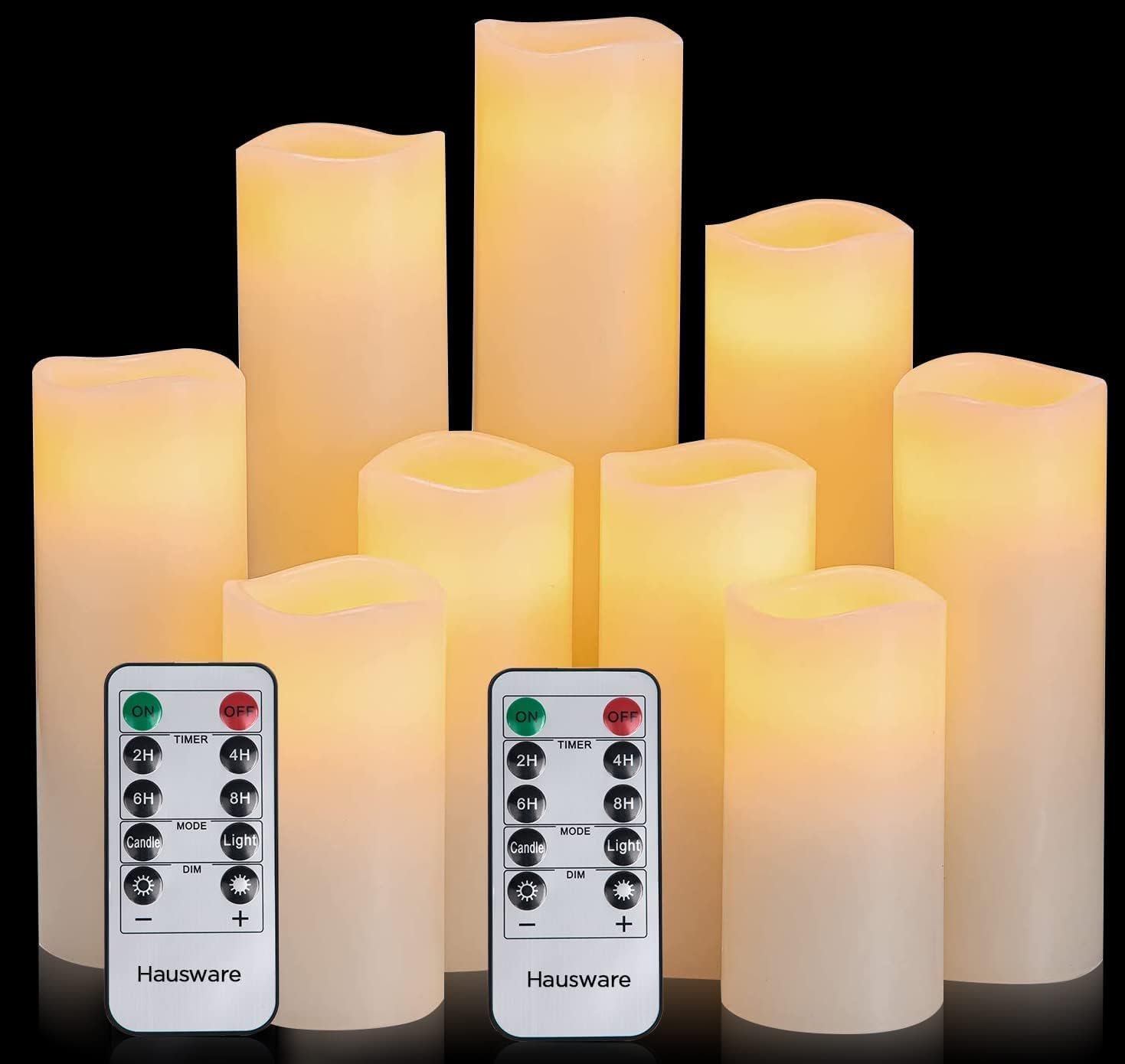
Candlelight is the soul of a fall evening, I truly believe that. But there is a line, and most of us cross it around the fourteenth candle. When every corner glows and every surface holds a lantern, the magic thins out and the collection starts to read as clutter with flames. Light works the same way as decor. It needs a star. I choose two or three glow spots per room and let them be generous. A pair of lanterns at the hearth. A cluster of flameless pillars on the coffee table tray. One lamp with a warm bulb in the reading corner. The rest of the room settles into a soft dim, and those few pools of light feel twice as special for the contrast. It is the evening version of my favorite principle. Empty space is part of the decor, and in the evenings, darkness is part of the light. If your candle collection has grown past a dozen, gather them all, then place back only the groups that earn their glow.
17. No Hidden Storage Anywhere
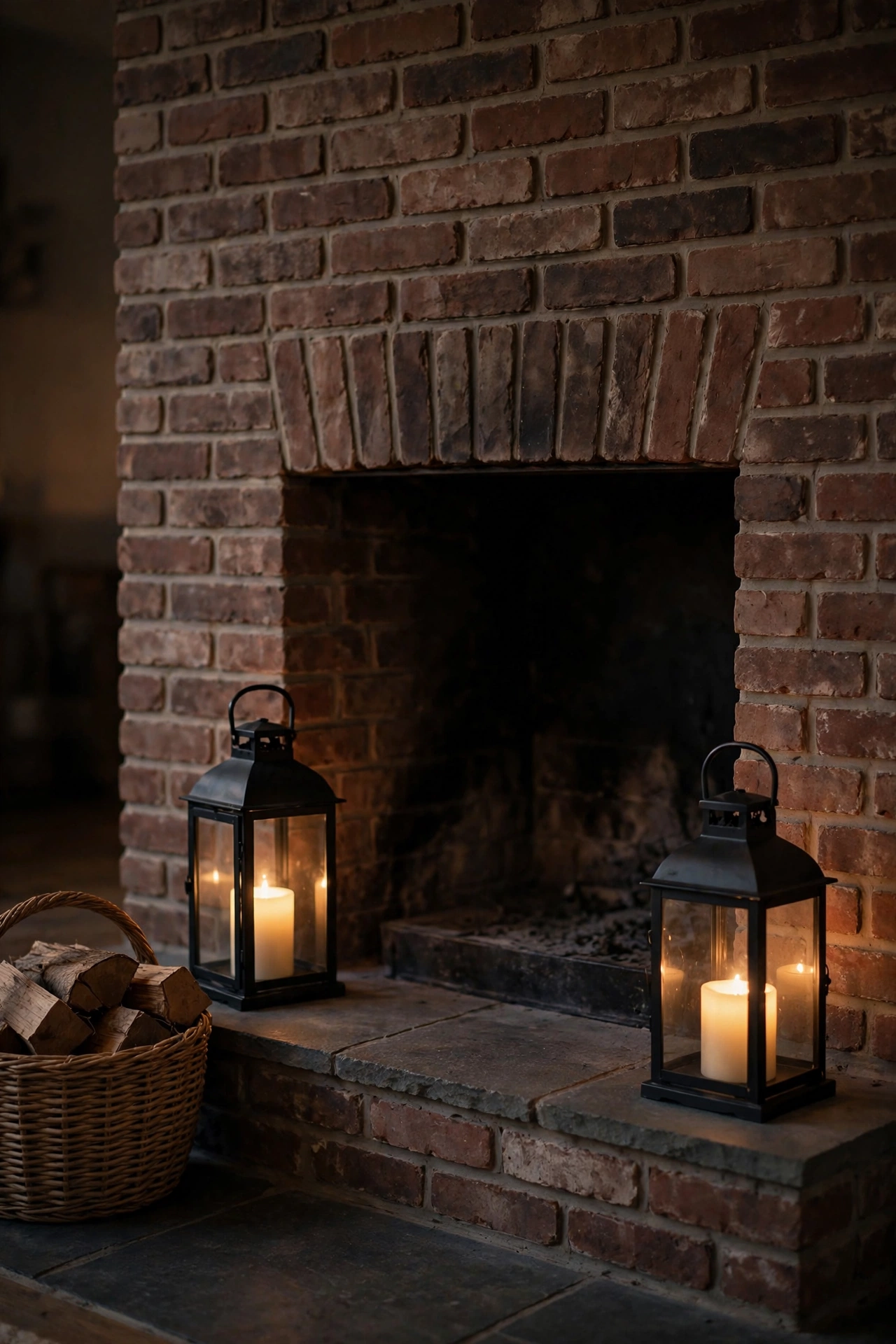
Some clutter is not decor at all. It is daily life with nowhere to go. Remotes, mail, chargers, the scarf and mitten pile by the door, the board game that never makes it back to the closet. If your storage is all on display, your home will look cluttered no matter how beautifully you decorate, because the everyday stuff is always out performing. The fix is closed storage with a pretty face. Baskets with lids or liners tucked under the bench in the mudroom hold the whole mitten situation out of sight. A lidded basket by the sofa swallows remotes and chargers. A tray on the entry console catches mail before it spreads. When everyday things have a hidden home, surfaces clear themselves, and your fall decor finally gets the stage to itself. This is the least glamorous tip on the list and the one readers thank me for the most. Decorating cannot outrun a storage problem, but a few good baskets can solve it in a weekend.
18. Every Single Room Decorated
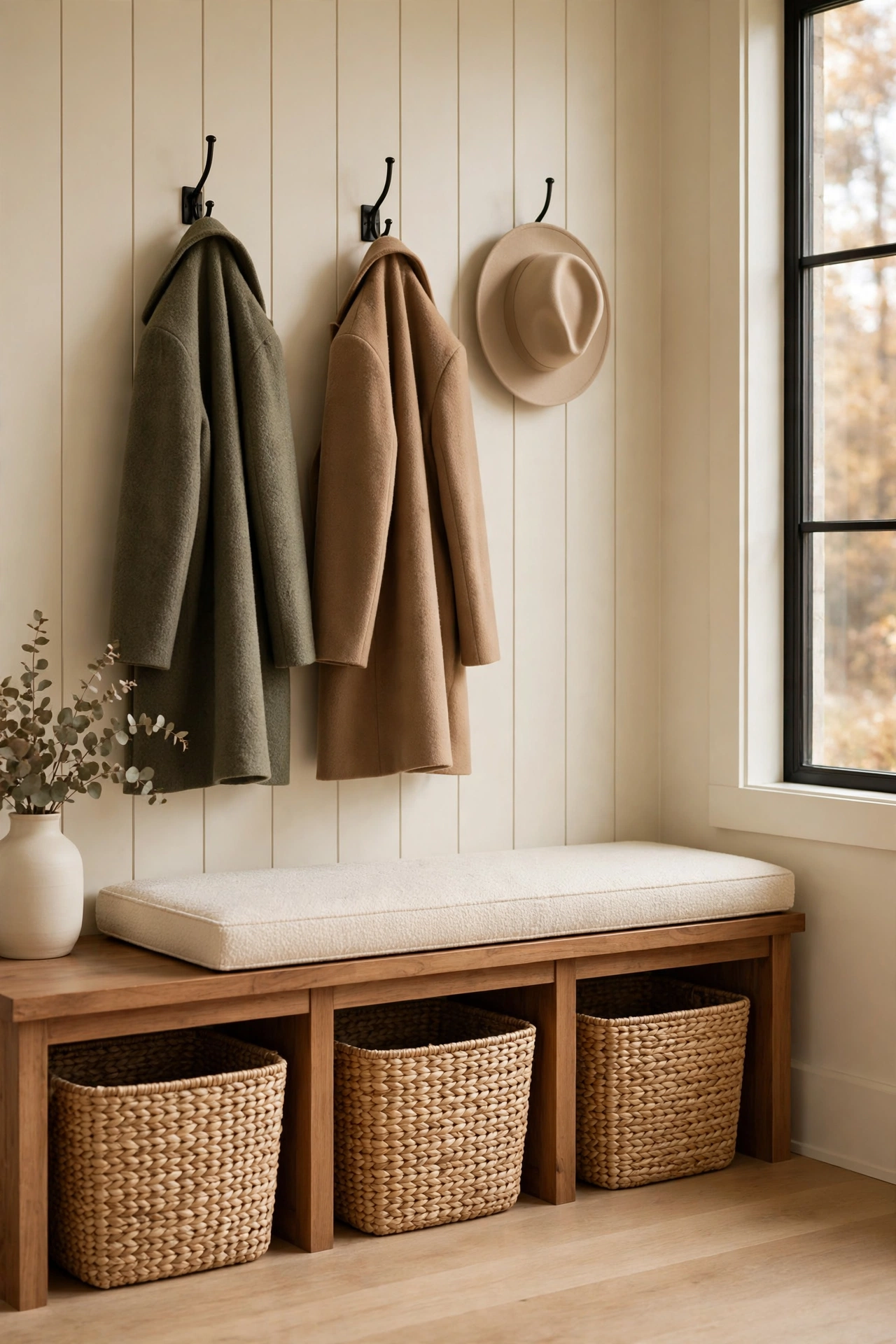
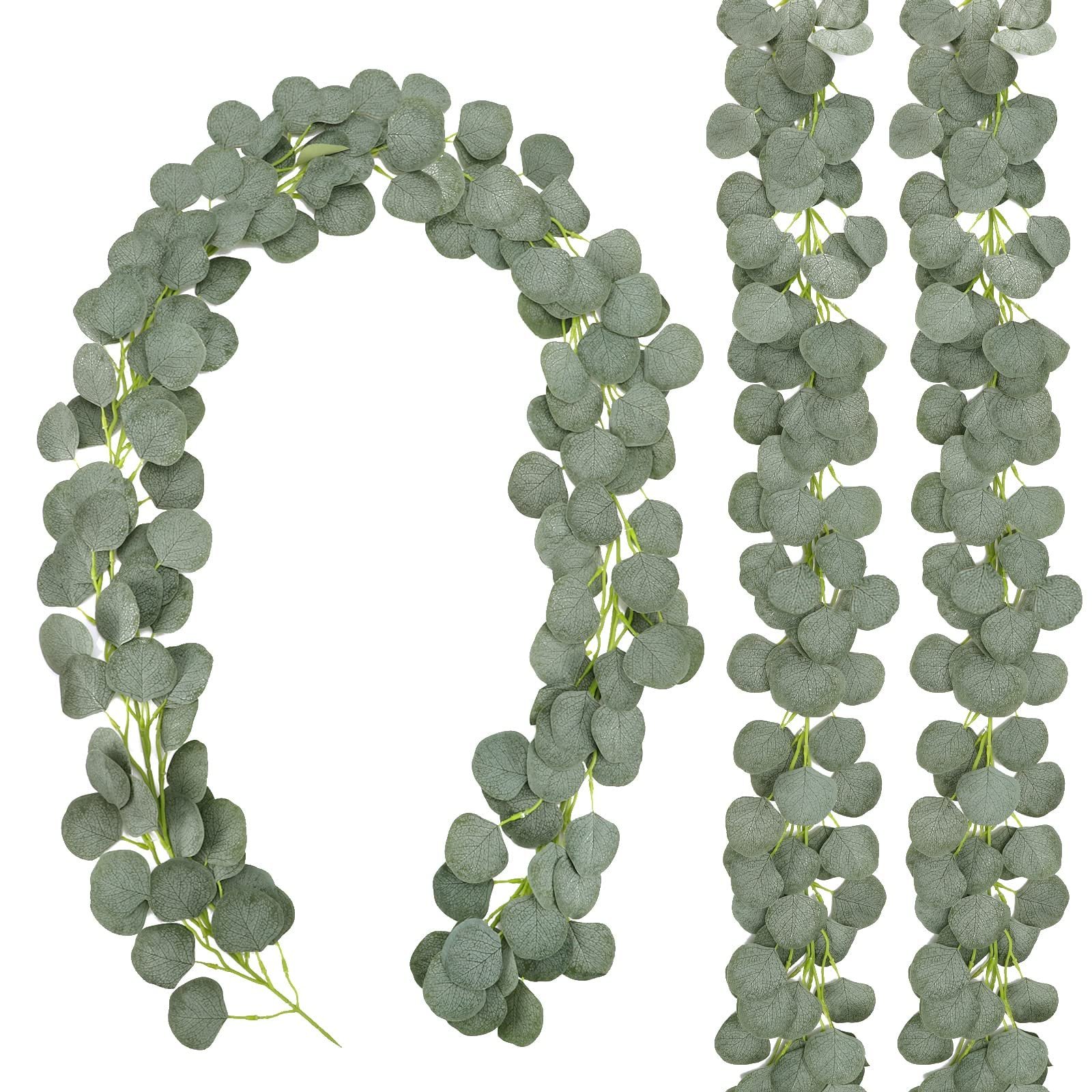
Here is the mistake nobody talks about. The bathroom has a pumpkin soap dispenser and a fall hand towel and a tiny scarecrow. The laundry room has a garland. The hallway has a banner. When every square foot of the house is decorated, nowhere feels special, and the whole home hums with low level visual noise from morning to night. Rooms need rests, the way music needs pauses. I leave our bathroom almost plain all season, just good towels and a bundle of eucalyptus by the shower, and walking into that calm little room feels like a breath. The decorated rooms feel richer by comparison, because contrast is what makes styling visible. Choose your moments. The living room, the entry, the dining table. Let the kitchen have one bowl of pumpkins and let the rest of the house simply be a home in autumn, with the light changing and soup on the stove. Not every room needs a costume.

19. Adding Without Ever Editing
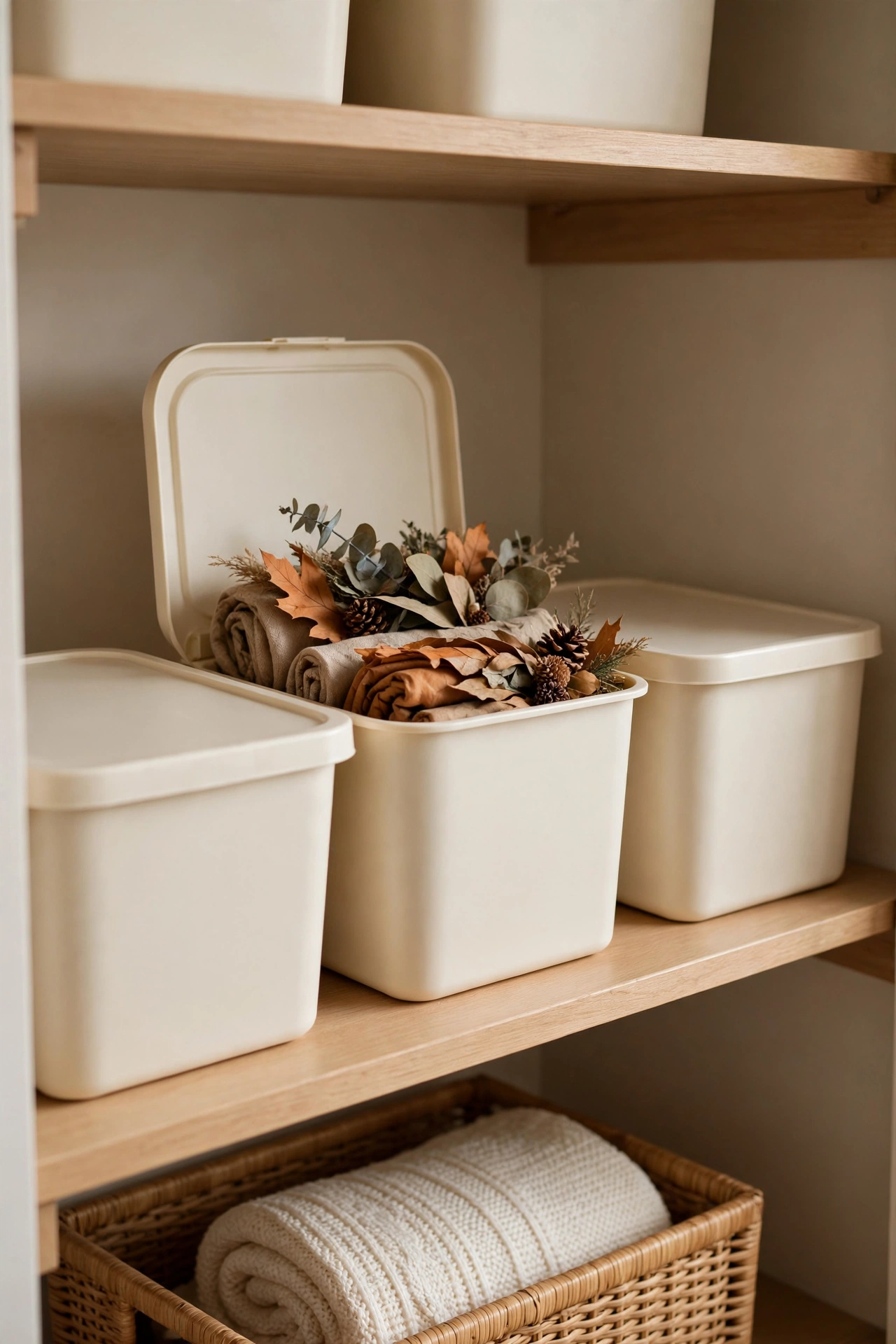
The last mistake is the one underneath all the others. We decorate by adding. A new wreath joins the old wreath in the closet, then both come out. A fresh garland layers over the faded one. Nothing ever leaves, so every year the house holds more, and every year it feels a little more crowded and a little less loved. Decorating well is mostly editing. My rule, and the principle I would keep if I could only keep one, is edit twice, decorate once. Before anything new goes up, I shop my own bins first and pull out what still makes me happy. Anything faded, broken, or simply not my taste anymore goes straight to the donation box, not back into storage. Then I set up what remains, live with it for a day, and take one more thing away. That final removal is where the calm comes from. A home that gets edited every season stays light on its feet, and fall gets to feel fresh instead of inherited. For more calm home thinking, the organic modern living room ideas are full of this same less but better spirit.
More Favorites
This post contains affiliate links. If you buy through them, I may earn a small commission at no extra cost to you.
A few more favorites from the ideas above:


A Calmer Kind of Fall
If your home has been feeling more cluttered than cozy, please hear this first. You do not need new decor. You most likely need less of the decor you already have, arranged with a little more breathing room. Pick the one mistake on this list that made you wince because it sounded familiar, and fix only that one this week. Clear the mantel back to its star. Gather the little pieces onto one tray. Pull the chairs in and light two candles instead of twelve.
Small edits change the whole feeling of a home faster than any shopping trip I have ever taken. A calm fall home smells like soup and cinnamon, sounds like a record playing low in the next room, and gives your eyes soft places to rest. That is the feeling we are all actually chasing when we bring home another pumpkin. It was never about the pumpkin. It is about the evening the pumpkin helps create.
With love and light
Get Fresh Home Ideas Every Week
Seasonal decor ideas, organizing tips, and cozy home inspiration, straight to your inbox.
More Fall Ideas You Will Love
Keep browsing for more seasonal inspiration: