
Some homes go bare in January. A cozy winter home does not. This is our complete guide to the season after the season: plain greens, heavy wool, soft candlelight, and rooms that make the longest nights of the year feel like the ones you would choose.
The Warmest House in the Coldest Month
Cozy Winter is not a theme you buy in a matching set. It is what is left when the holiday is packed away and the warmth stays. It starts with the greens that were never really about Christmas, adds textiles heavy enough for real cold, and finishes with light that glows early and stays late. Nothing about it is festive. Everything about it is warm.
Everybody knows the first week of January feeling. The tree comes down and the corner looks bare. The mantel is empty. The rooms feel bigger, colder, and somehow louder, as if the house itself is missing something. It is not missing decorations. It is missing the layers that made December feel close and warm, and most of us pack those layers away in the same boxes as the ornaments.
That is the mistake Cozy Winter fixes. The ornaments were Christmas. The greenery, the candles, the wool throws, and the soft light were just winter, and winter is not over. It is barely started. So this style keeps the layers that belong to the cold and lets go of the ones that belonged to the holiday. No red. No sparkle. Nothing hung in a hurry and nothing to pack away in one. Just a calm, green, wool wrapped house that is in no rush for spring.
If this sounds familiar, it should. This guide is the winter sequel to our Cozy Christmas Design Guide, and the two work as a pair. The Christmas guide builds the season up. This one takes down only the holiday and keeps everything else standing. If you decorated with us in December, you are already more than halfway to a cozy winter. Most of what you need is already in the house.
This is one of our design guides, and our second one built for a season instead of a single room. That is because winter, like Christmas, touches the whole house at once. So this guide travels. Mantel, sofa, beds, corners, and the kitchen counter all work from the same palette and the same simple rules.
Winter is not the end of cozy. It is cozy with the noise turned down.
The Key Elements of a Cozy Winter
1. Winter Greens That Stay

The first thing to understand about winter greens is that they were never the Christmas part. The ornaments were. The bows were. Plain cedar and pine, hung bare and quiet, read as winter in any month the cold lasts. A garland with nothing on it is not an undecorated Christmas garland. It is a winter garland, and it has been one all along.
Keep them where they earn their keep. The mantel garland stays, edited down to green and maybe a few pinecones. The wreath on the front door stays too, once the bow comes off. Add sprigs where the house feels thin: a vase of cedar on the kitchen counter, a few cut branches in a tall jar in the entryway, a small bowl of pinecones beside the candles. Winter green is texture first and color second.
Fresh or faux both work, and the honest answer is the one your January can sustain. Fresh greens smell wonderful and slowly dry and drop. Good real touch garlands look right for years and ask for nothing. What matters is that the green is plain and the hanging is solid. Our guide to how to hang Christmas garland that actually stays put covers the hooks, the wire, and the weight tricks, and every one of them works just as well for a garland that is staying up until spring.
2. Heavier Textiles: Wool, Flannel and Chunky Knits

December textiles are about looking warm. January textiles have to actually be warm. Cozy Winter trades the light layers for heavy ones: a chunky knit throw with real weight to it, wool over cotton, flannel where skin touches. This is the element you feel more than you see, and in the coldest months it is the one that matters most.
Work the rooms in the order you live in them. The sofa gets the heaviest throw in the house and cushions in wool or a wool look, in charcoal and cream. The reading chair gets its own blanket, not a borrowed one. Then the beds. Flannel sheets and a plush winter duvet cover turn the bedroom into the warmest room in the house, which in January is exactly what it should be. Our cozy Christmas bedroom ideas carry straight into winter with the ornaments left out, and our cozy fall bedroom ideas are the same layers in an earlier season.
The rule is heavier, not more. One thick throw reads richer and warms better than three thin ones, and it keeps the room calm instead of cluttered. Vary the weaves where they meet. Chunky knit beside smooth wool. Flannel against linen. Texture is how a quiet palette stays interesting, and winter is the season that gives you permission to use the heaviest textures you own.
3. Candlelight and Lanterns for the Long Evenings
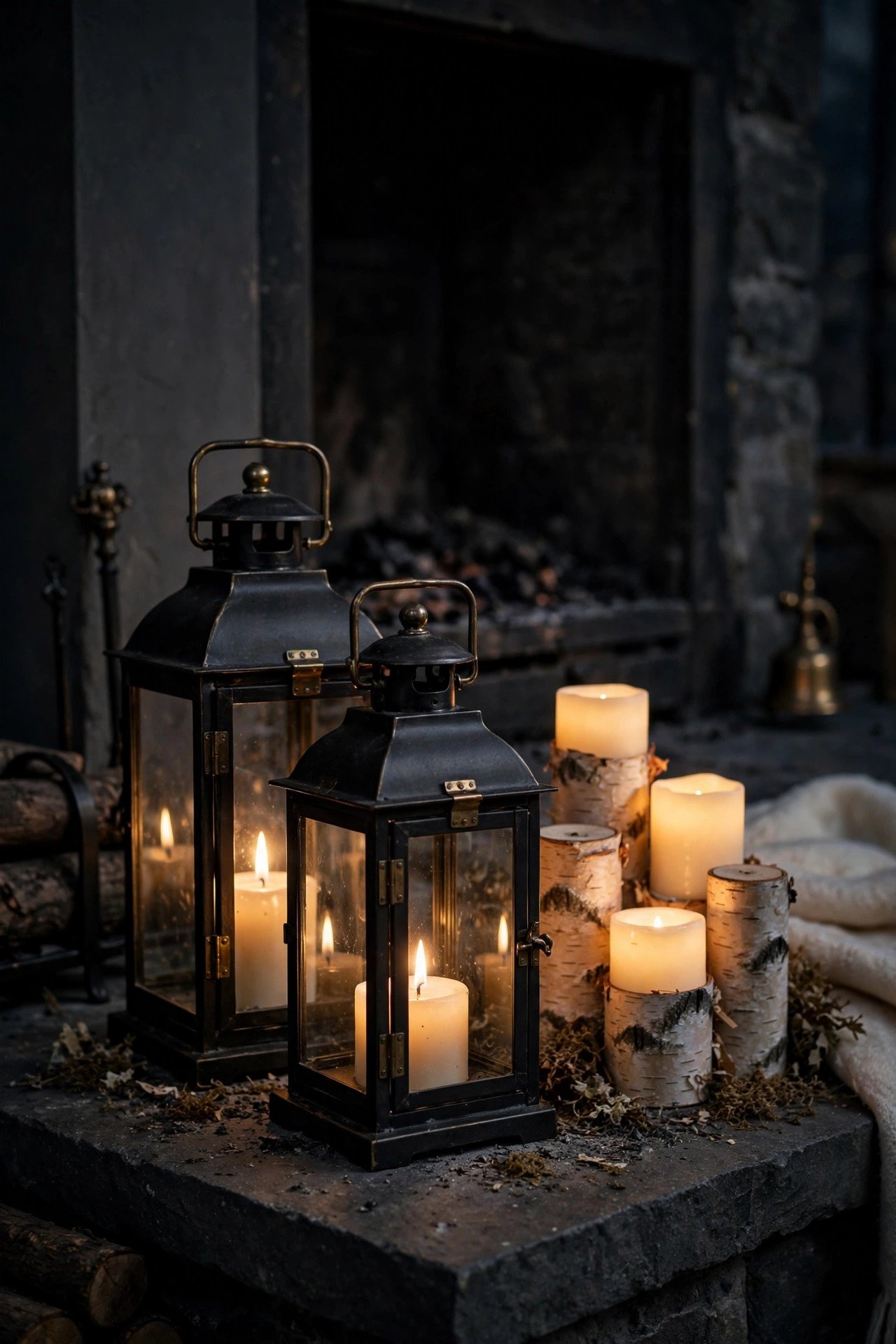
In December the tree carried the light. In January, something else has to. Winter evenings start in the middle of the afternoon, and a house lit only by ceiling lights will feel like a waiting room by dinner. Candlelight is the answer, and lanterns are how you give it height and presence. Think of a lantern as the winter stand-in for the tree: one tall, warm glow the room can gather around.
Layer the light low and warm. Clusters of flameless pillars where people sit. A lantern on the hearth, one by the front door, one on the kitchen counter where the day ends. A small lamp in the corner that never quite gets turned off. When the light sits at sitting height, faces relax, rooms shrink in the good way, and the dark outside the window starts to look like a backdrop instead of a problem.
Put the candles on timers without any apology, and set them earlier than you did in December. Dusk in January is not a suggestion. The house should already be glowing when the light goes in the late afternoon, so that walking in from the cold feels like being welcomed. Flameless candles near greenery and textiles, real flames only where someone is sitting with them. Cozy should never come with a worry attached to it.
4. The Winter Mantel, Reset

The mantel is where January usually gives up. The stockings come down, the cards come down, and the shelf sits bare and dusty for three months. The winter mantel takes ten minutes to reset and then works quietly until spring. Start by taking everything off. Then put back less than half of it.
What goes back is simple. The plain garland, draped the way it relaxes rather than the way it poses. Candles at two heights, grouped off center. A small stack of birch logs at one end, or a bowl of pinecones. Maybe one piece of art or a mirror above it to catch the candlelight and double it. No stockings, no cards, no countdown to anything. The winter mantel is not waiting for a holiday. It is the finished room, enjoying itself.
Style it for the seat, the way you did in December. The mantel is the view from the sofa on the evenings that are too cold for anywhere else. Build it for that view: glow at the ends, green in the middle, one dark note to lean against. Then leave a stretch of it empty. In winter, empty reads as calm, and calm is the whole point.
5. Birch, Pinecones and Natural Texture

Winter texture does not come from a store. It comes from the woodpile and the ground under the pines. Birch logs with their white bark. Pinecones in every size. Bare branches in a tall vase. A woven basket doing three jobs at once. These are the decorations winter grows itself, and they suit this style better than anything manufactured, because they are the season, brought indoors.
Use them where the Christmas pieces used to be. Birch logs in the fireplace you never light, or stacked in the corner where the tree stood. Pinecones filling the bowl that held ornaments last month. Branches on the mantel or the table instead of anything arranged. The colors are already in the palette: bark white, cone brown, branch gray. Nature did the coordinating for you.
Keep it gathered, not scattered. A basket of logs is a statement. One log per room is a puzzle. Group natural pieces the way you grouped colors in December, in families, in odd numbers, in the places the eye already lands. And when spring comes, most of it goes back outside or onto the firewood pile. Winter decor that returns to the yard is the easiest storage there is.
6. Winter Rituals: A Reading Corner and a Hot Drink Station

The last element of Cozy Winter is not a thing. It is two small habits, given a home. Winter is the season of staying in, and staying in goes better with a chair that is ready for you and a hot drink that is easy to make. Build the places, and the rituals take care of themselves.
The reading corner needs four things: the best chair in the house, the heaviest throw, a warm lamp at shoulder height, and a basket or small stack of books within reach. Put it in the corner the tree left behind and that corner stops looking empty the same day. Then the hot drink station, nearby or in the kitchen: a tray or a small stretch of counter with the kettle, tea and cocoa, and good heavy mugs out where they can be reached without opening a cupboard. Our Christmas cocoa station ideas are the dressed up December version. Strip away the candy canes and the signage, keep the tray and the mugs, and it is a winter station that earns its counter space until March.
These rituals are the real difference between a decorated house and a cozy one. Decor says look at me. A reading corner and a drink station say sit down, stay. In the longest, coldest weeks of the year, that invitation is the entire style. Everything else in this guide is just how you set the room for it.
The Palette

Every cozy winter home is painted from the same small box of colors. Learn their names and where each one lives, and the season almost styles itself.
Snowy Cream is the quiet background and most of the room. Walls, sofas, throws, bedding, and the candles themselves. It is white with the chill taken out of it, the color of snow in late afternoon sun rather than snow in shadow. Cream keeps the deep greens and charcoals from closing the room in, and it is why this style works in homes that are neutral all year.
Deep Pine is the foundation green. Garlands, wreaths, sprigs in vases, and the branches in the corner jar. It is a darker, quieter green than the brightest fir tips of December, closer to the color of a real forest in winter. Mixed from cedar, pine, and cypress it looks grown. Matched too exactly, it looks plastic. Let it vary.
Charcoal Wool is the depth. Wool throws, cushion covers, a rug under the reading chair, the flannel on the beds. Charcoal does the grounding work black does in other palettes, but softly, the way wool does everything softly. It is the color that makes cream look warmer and candlelight look brighter by comparison.
Warm Walnut is the warmth underneath. Floors, baskets, side tables, picture frames, and the tray under the mugs. Walnut keeps the cool notes in this palette from drifting chilly, and it is the bridge between the cream rooms of the rest of the year and the deep greens of winter. A cozy winter needs wood the way a January evening needs a fire.
Antique Brass is the metallic, and it must be antique. Warm, brushed, a little aged. Lantern hinges, candle holders, lamp bases, the kettle on the drink station. Bright chrome and shiny silver belong to a colder, glossier house. Antique brass behaves like candlelight in solid form, and in a season built on candlelight that is exactly the job.
Pale Ice appears in the smallest doses. The palest blue gray, like the inside of a frozen window at dawn. A glass vase. A single cushion. The glaze on a stoneware mug. Just enough cool to remind the room what season it is, the way a view of snow outside makes the warmth inside feel warmer.
The rule is simple. Snowy Cream and Deep Pine do most of the work. Charcoal Wool and Warm Walnut ground everything. Antique Brass warms the edges, and Pale Ice is a whisper. When every purchase has to pass through this palette first, the house can never drift into chaos, even in the months with the least light.
Take down the holiday, not the warmth. What is left is winter, and winter done right is beautiful.
How to Style It, Step by Step
Step 1. Take Christmas down in layers, not all at once. Ornaments, red, and sparkle go first, into the boxes, without ceremony. The greens, the candles, and the warm lights stay standing. Live with what is left for a day before you change anything. Half of this style is noticing which parts of December were never really about the holiday at all.
Step 2. Give the tree corner a new job the same day. An empty corner pulls at a room for weeks. A reading chair, a floor lamp, and a basket of blankets or birch logs in that spot, and the room is finished again by evening. Do not leave the corner empty while you decide. Decide with furniture, and rearrange later if you need to.
Step 3. Reset the mantel and carry the green through the house. Plain garland back on the mantel with candles and birch, then sprigs of the same green to the entryway, the kitchen shelf, and the top of the bookcase. One green, repeated quietly, is what makes the whole house feel like one winter, instead of one room that kept its garland by accident.
Step 4. Layer the heavy textiles. The chunky throw on the sofa, wool cushions in charcoal and cream, flannel on every bed, a blanket on the reading chair that belongs to the reading chair. Judge the layers by their weight in your arms, not by how they photograph. January is felt, not viewed.
Step 5. Set the light for the long evenings. Flameless candles on timers for mid afternoon, lanterns lit where the tree used to glow, warm bulbs in every lamp. Then walk the house at the hour it actually gets dark and adjust from that light. A winter room is an evening room. Style it in the conditions it will be lived in.
Step 6. Build the rituals, then edit. Set the reading corner. Set the drink station with the kettle and the good mugs. Then take one thing away from every surface, the way you did in December. Winter is a quiet season, and a cozy winter room should have some quiet in it. That final edit is the most winter thing you will do.
Designer Tips
Keep the greens, lose the glitter. The fastest winter reset is subtraction. Plain green reads as the season. Anything that sparkles reads as a holiday that overstayed.
Replace the tree’s glow, not the tree. The corner feels empty mostly because its light is gone. A lantern, a lamp, or a cluster of candles in that spot fixes the feeling before any furniture does.
Double the weight, not the number. One heavy throw beats three thin ones on the sofa, in the bed, and in the laundry. Warmth in winter is a weight you can feel in your arms.
Cap the palette at three colors plus brass. Count before you buy. If a piece brings a fourth color home with it, it stays in the store. Quiet rooms are planned, not lucky.
Set candle timers an hour earlier than December. The dark comes sooner now. The house should already be glowing when it does, so the evening feels greeted instead of ambushed.
Bring the outside in, plainly. Birch logs, pinecones, bare branches. Free, honest texture in the exact colors of the palette, gathered in baskets and bowls instead of scattered.
Make the bed the warmest place in the house. Flannel sheets, a plush duvet, one folded throw at the foot. In January the bedroom should win the cozy contest every single night.
Style for the evening, not the morning. Check the mantel after dark, the corner by lamplight, the drink station at tea time. Winter is lived in the evening. Decorate for the hours you will actually see it.
Finishing Touches to Shop
This guide contains affiliate links. If you buy through them, we may earn a small commission at no extra cost to you.
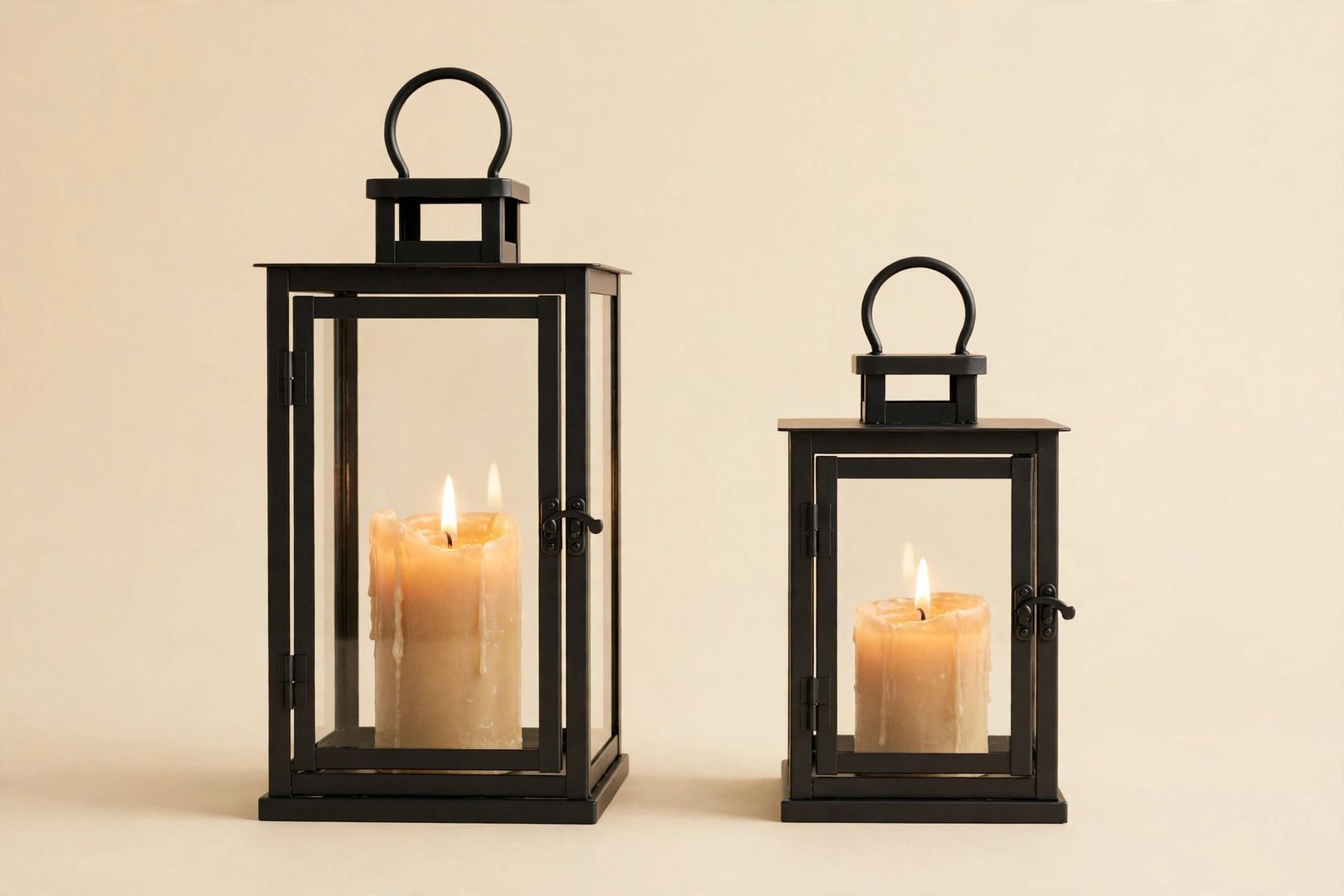
Once the bones of the season are in place, a few considered pieces complete it. Each one below earns its place by working in at least two rooms of a cozy winter home, this year and for many winters after it.





Cozy Winter Q and A
My house feels empty after the tree comes down. What do I do first?
Give the corner a new job the same day, and replace the tree’s light before you replace the tree. Most of that empty feeling is a light gap, not a stuff gap. A reading chair, a lamp, and a lantern or a basket of birch where the tree stood will settle the room by evening. Then live in it for a week before you buy anything. Rooms feel emptiest on the first day and honest by the third.
Can I keep my Christmas garland up all winter?
Yes, if it is plain. Take off the bows, the berries, and anything shiny, and what is left is cedar and pine, which is winter greenery, not Christmas decor. A plain garland on the mantel in February reads the way a wreath on a cabin door reads: like the season, not a holiday that forgot to leave. If the garland is real, check it every few weeks and retire it when it dries and drops. If it is a good faux one, it can stay until the spring greens come in.
Is this just Christmas without the red?
It is a fair question, and no. Christmas decor is a celebration: it sparkles, it counts down, it asks to be looked at. Cozy Winter is a rest: heavier textiles, quieter surfaces, no sparkle and no schedule. The palette is different, the weight is different, and the point is different. December is about gathering. Winter is about recovering, slowly, in a warm room. If your house feels like a party that ended, this style is how it becomes a season instead.
What does a cozy winter cost? Can I do it on a budget?
Less than any other style we know, because most of it is keeping and rearranging what December already brought into the house. The greens, the candles, and the throws are already yours. Spend first on one heavy throw if yours are thin, and on flameless candles if you have none. The birch, the pinecones, and the branches are free for the gathering. Add one real piece each winter and the collection builds itself, the same way the Christmas one did.
Can I do this in a small space or a rental?
Yes, and small spaces warm up fastest of all. You do not need a mantel or a tree corner. A shelf becomes the mantel. One chair becomes the reading corner. Textiles do the heavy work on furniture you already own, flameless candles need no permission from anyone, and plain greens hang from hooks that leave no trace. Cozy is a ratio of warmth to space, and small rooms win that ratio easily.
When should I transition to spring?
Follow the light, not the calendar. When the evenings start arriving later and the sun comes back into rooms it has skipped for months, lighten the house in the same layers you built it. Textiles thin out first, one throw at a time. The greens come down when fresh ones appear outside. The candles and lanterns can stay as long as the evenings are dark enough to want them. There is no date to get right. Spring, done this way, feels like the house waking up instead of another takedown weekend.
Until the Next Guide
A cozy winter is not built in a day. It is what happens when a house decides the warm months are not the only ones worth dressing for. Keep the greens plain. Keep the textiles heavy. Keep the light low and warm, and let the coldest weeks of the year become the ones your home is best at.
This is one of our design guides. Each one follows the same idea. Fewer, better choices. Rooms, and now seasons, that warm the people in them. Browse the rest on our design guides page when you are ready to carry the same calm into the other rooms of the house. We hope this one brings a little more warmth to your quietest, coldest months of the year.