
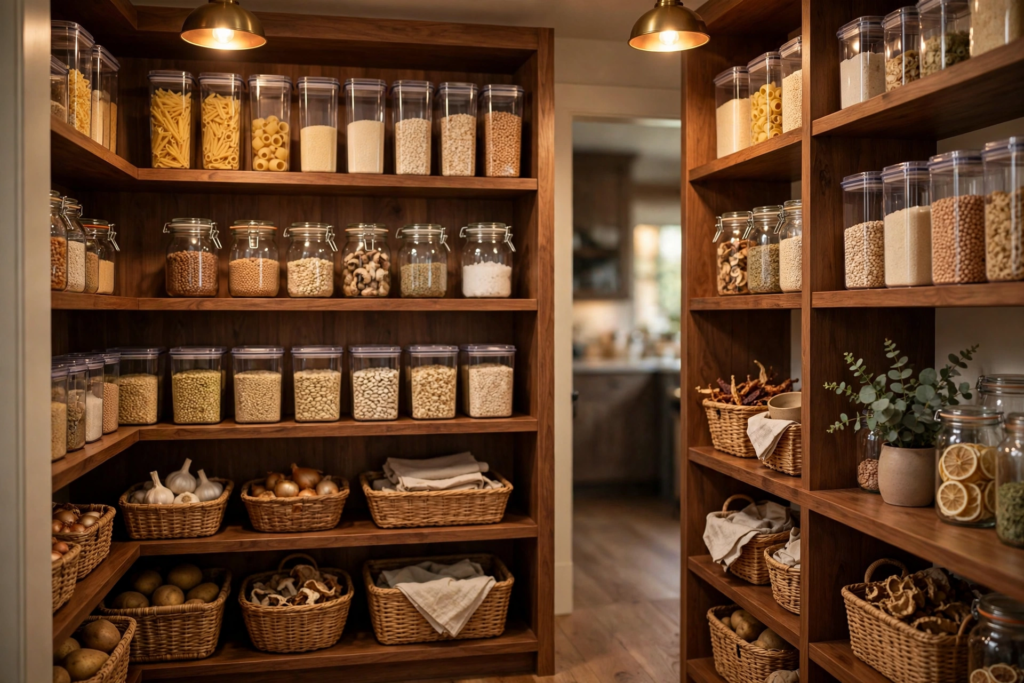
Our pantry used to be the scariest closet in the house. You would open the door and brace for impact, because something was always about to slide off a shelf and onto your toes. Half empty cracker boxes, three open bags of chocolate chips, a can of coconut milk from a recipe I made exactly once. Sound familiar, mama? We are fixing it together.
Here is what I learned after years of pantry cleanouts that lasted about a week. The problem was never that I bought the wrong bins. The problem was that nothing had a real home, and the whole family was putting things back wherever felt convenient in the moment. A pantry stays organized when every category has a zone and every zone is so obvious that a tired eight year old can put the groceries away correctly.
These nineteen ideas are the exact systems that finally stuck in our house. Decanting the dry goods so you can see what you have. Zones for snacks, breakfast, baking, and backstock. Labels that tell everyone where things live. Nothing here requires a walk in pantry or a renovation budget. Most of it works in a regular reach in closet or a few kitchen cabinets.
Pick the three ideas that solve your biggest pain points and start this weekend. A pantry does not get organized in an afternoon, but it absolutely stays organized one labeled bin at a time.
One more thing before we dive in. You do not need a big budget or a full weekend to see a real difference. Most of these ideas cost less than a takeout dinner and take under an hour each. The trick is starting with the zone that bothers you most, because a quick win builds the momentum to keep going.
Love these ideas? Get more every week.
Join the newsletter for seasonal decor and cozy home inspiration.
Start with the Foundations: Decant, Zone, and Contain
These first five ideas are the bones of every pantry that stays tidy. Clear containers you can see through, zones that make sense, and simple tools that double your shelf space. Get these right and everything else is just details.
1. Decant Dry Goods into Airtight Canisters
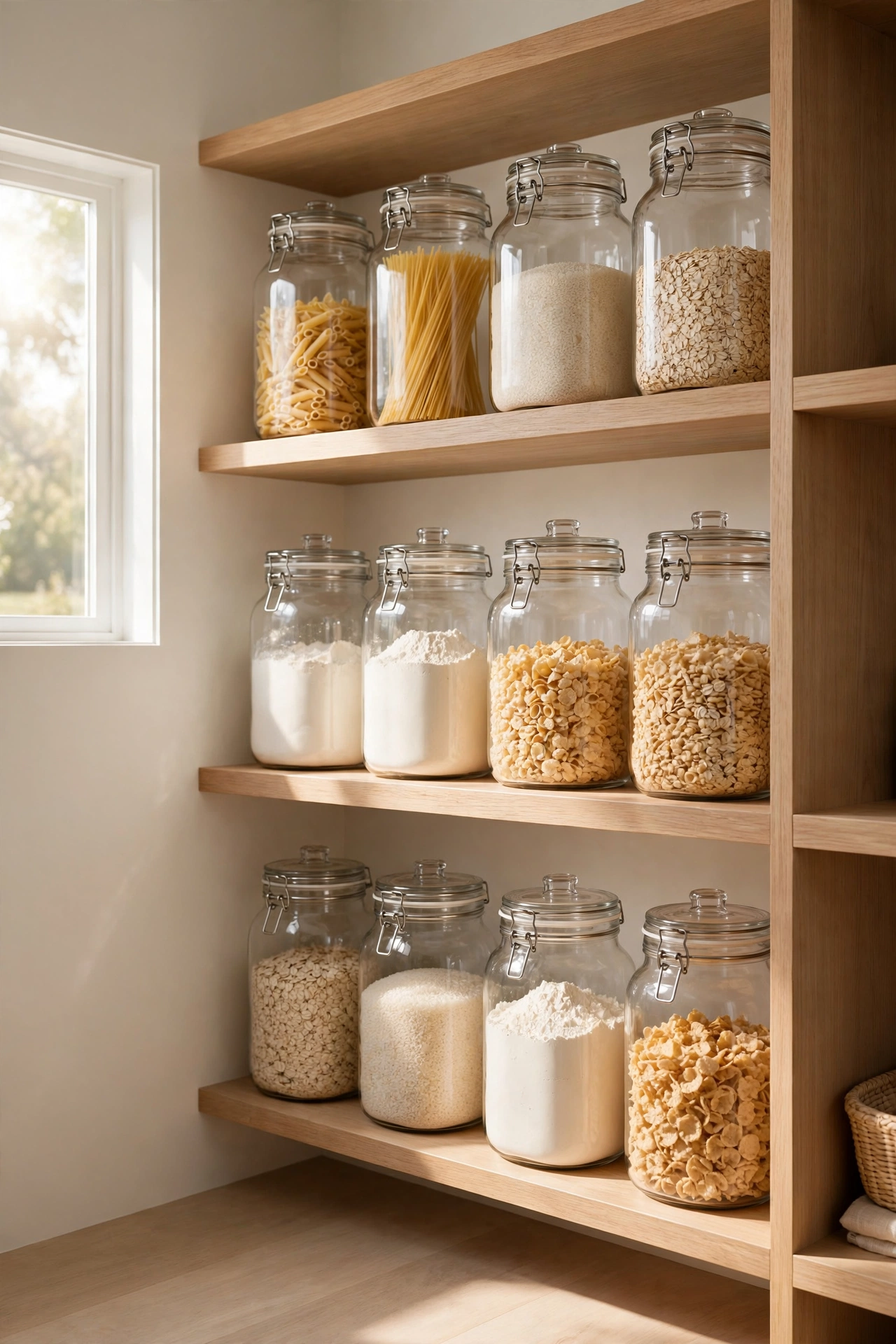
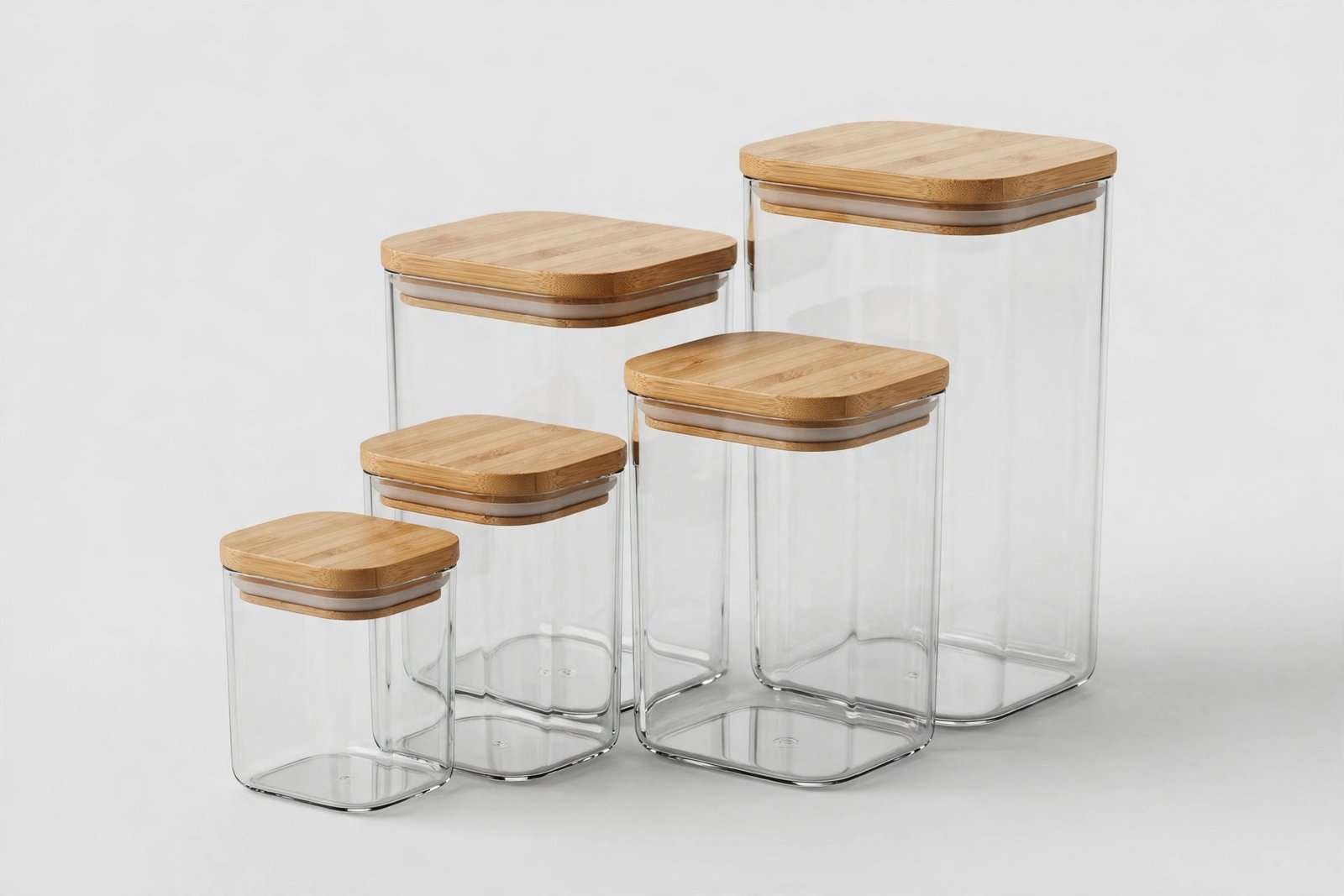
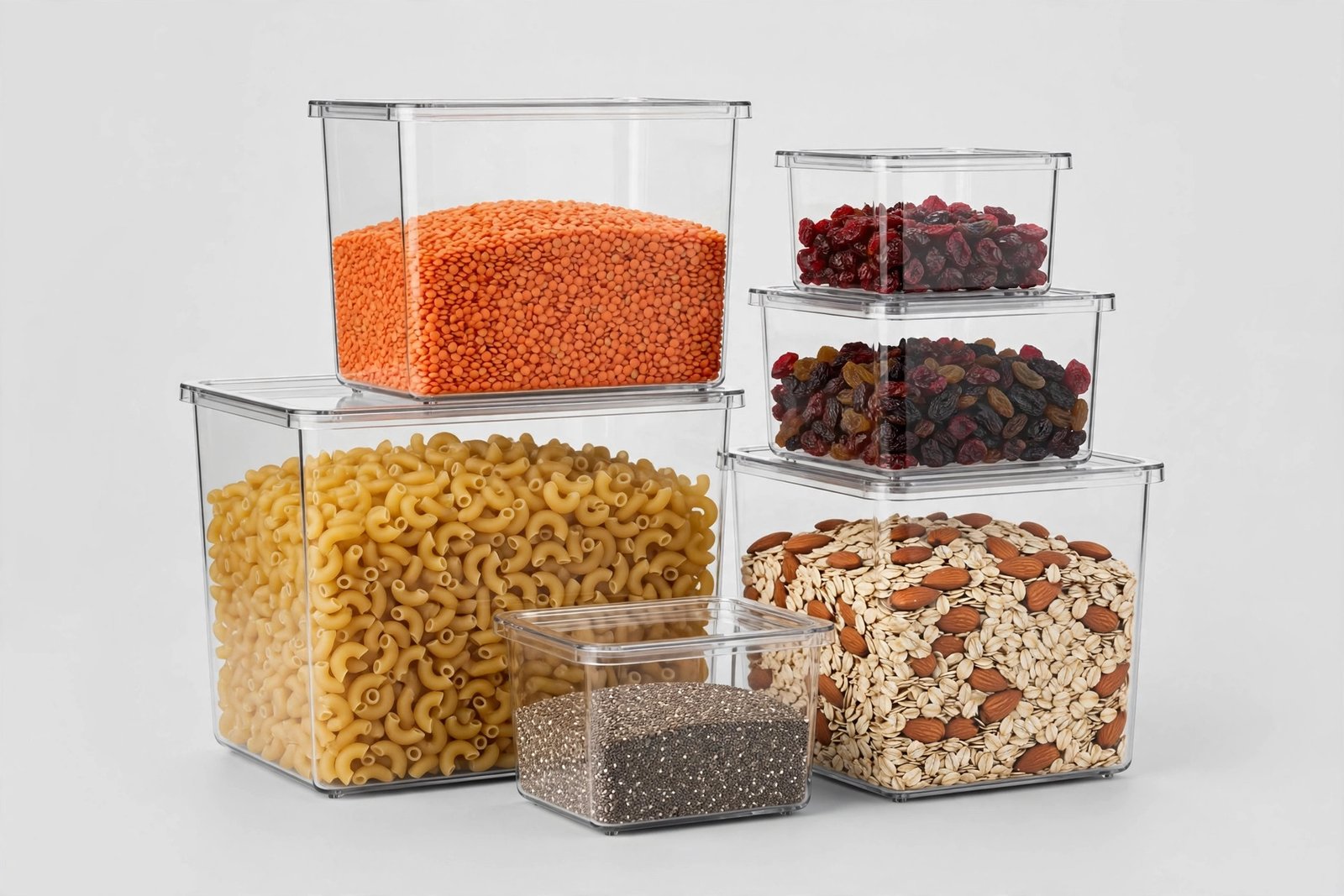
Decanting sounds fancy, but all it means is pouring the flour out of the bag and into a clear container with a lid that actually seals. The bag always tears. The twist tie always disappears. And the half open bag of rice always spills across the shelf the moment you reach for something behind it. Clear airtight canisters end all of that in one move.
The real win is visibility. When you can see that you are almost out of sugar, you add it to the list before you start the cookies, not halfway through. Square canisters waste less space than round ones on a shelf, and a matching set just looks calm, which matters more than you would think when you open that door six times a day.
Start with the five things you buy most, which is usually flour, sugar, rice, pasta, and cereal. You do not need to decant everything on day one. Wash and fully dry the canisters before the first fill, because trapped moisture is the enemy, and keep a little scoop in the flour and sugar for easy measuring.
Shop This Look
This post contains affiliate links. If you buy through them, I may earn a small commission at no extra cost to you.
A few favorites featured in the ideas above:
2. Divide the Pantry into Clear Zones
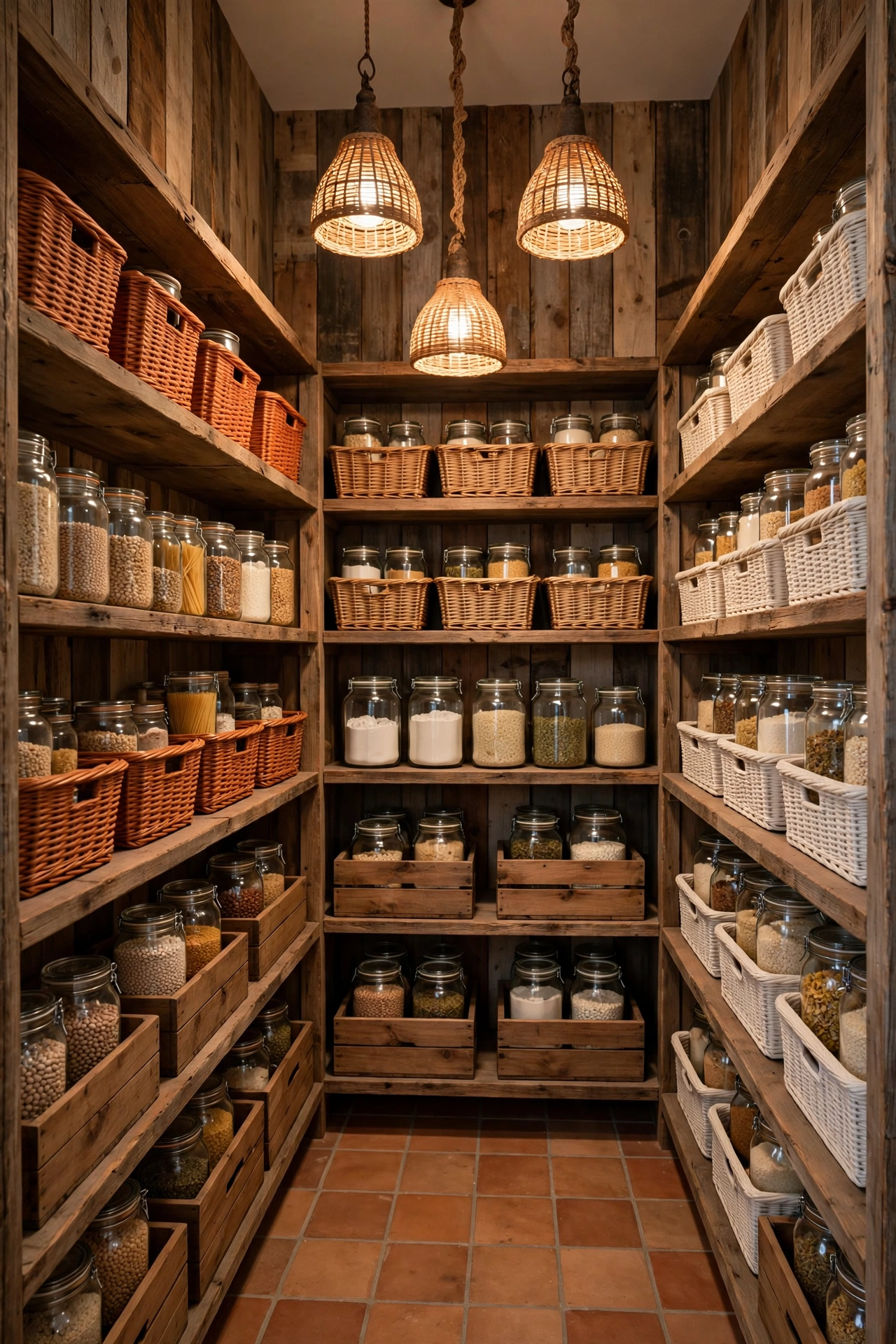
Zones are the secret that makes every other idea work. Instead of one big shelf of random food, you create neighborhoods: baking supplies in one spot, snacks in another, canned goods together, breakfast items in their own corner. When everything has a neighborhood, putting groceries away takes minutes and finding things takes seconds.
Think about how your family actually eats, not how a magazine pantry looks. If your kids eat oatmeal every morning, the oatmeal lives with the breakfast stuff, not next to the quinoa you bought with big plans. Group by routine and the pantry starts to feel like it was designed for your life, because it was.
Keep zones loose at first and let them settle for a week before you commit with labels. You will quickly see which zone overflows and which one sits empty, and then you can resize. A zone that fits your real habits beats a perfect layout that fights them every single day.
3. Spin a Lazy Susan in Deep Corners
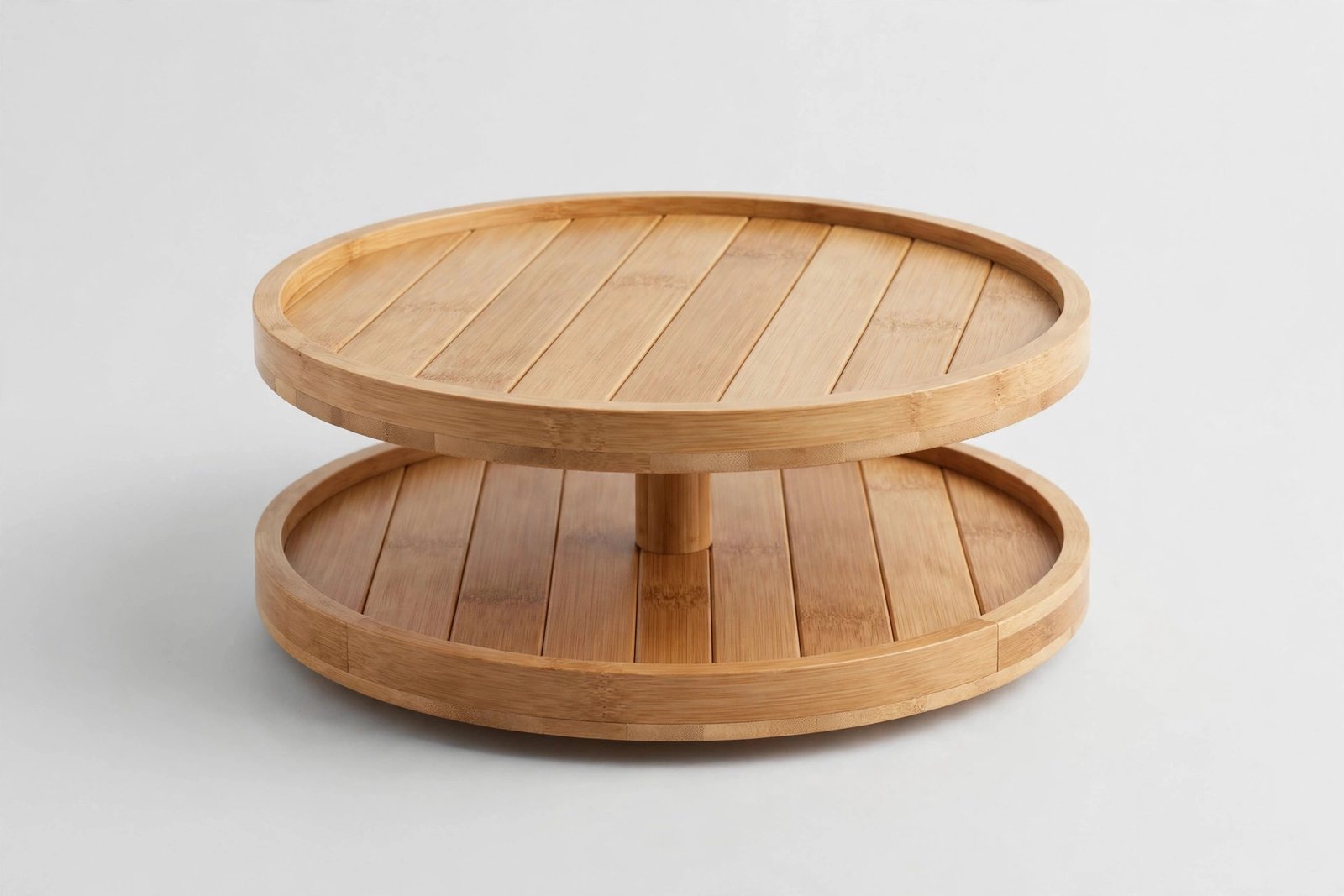
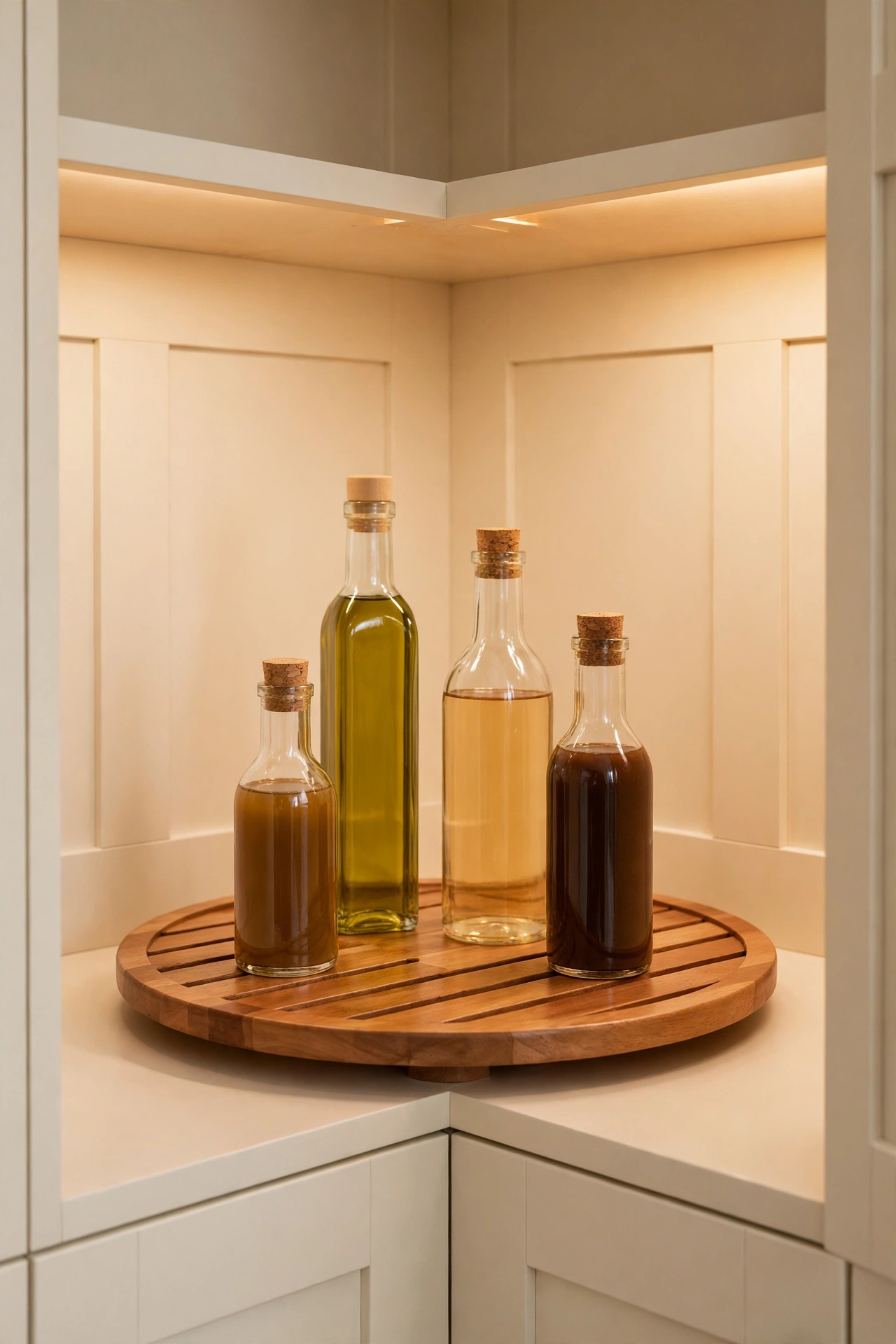
Deep pantry corners are where good food goes to be forgotten. You push the soy sauce to the back, buy another one because you cannot see it, and a year later you own four. A lazy susan turntable fixes this beautifully, because one spin brings the back row to the front with zero digging.
This is the perfect home for oils, vinegars, sauces, and all those tall bottles that tip over when you reach past them. A two tier turntable doubles the capacity in the same footprint, which is a small miracle in a crowded cabinet. The raised edge keeps everything in place while it spins, so nothing takes a tumble.
Measure your shelf before you buy, especially the height, since the two tier versions need real vertical clearance. Keep the turntable for the things you reach for often, not the once a year specialty items. The whole point is that a quick spin saves you from the archaeological dig.
4. Corral Small Items in Stackable Clear Bins
Small items are pantry chaos in its purest form. Granola bars, fruit snacks, little cracker packs, seasoning packets, they all slide around and form a drift at the back of the shelf. Stackable clear bins turn that drift into neat little drawers you can pull out and see through.
The clear part matters more than you think. You can spot the almost empty bin and restock before the after school crowd stages a protest. Stacking matters too, because two bins in the footprint of one is free storage. Look for bins with an open front or a handle cutout so little hands can grab and go without pulling the whole bin off the shelf.
Assign one bin per category, not per kid, unless you enjoy refereeing. Snacks in one, lunchbox fillers in another, baking extras in a third. When a bin gets grimy, and it will, they rinse clean in the sink in about thirty seconds.
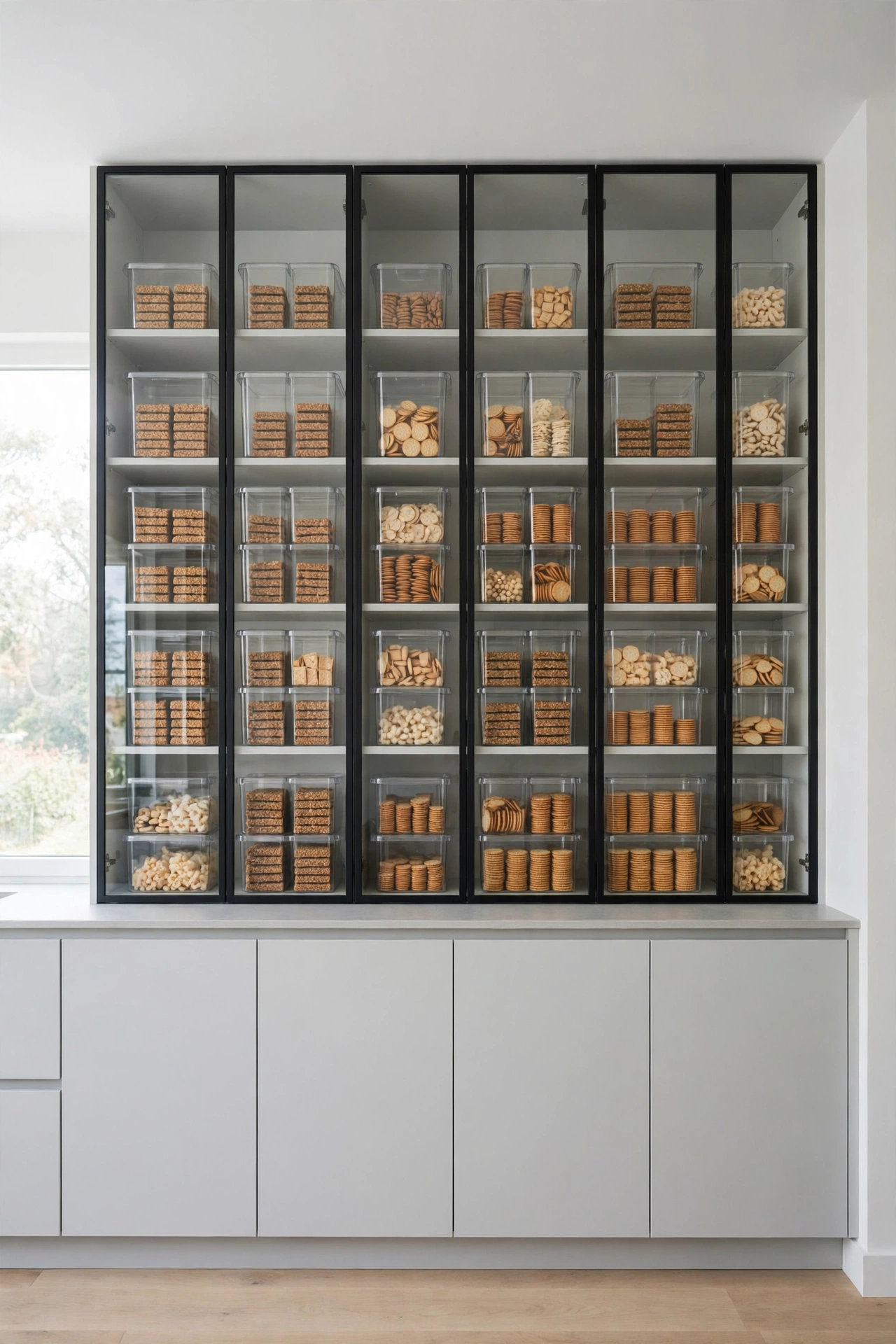
5. Double Your Shelf Space with Risers
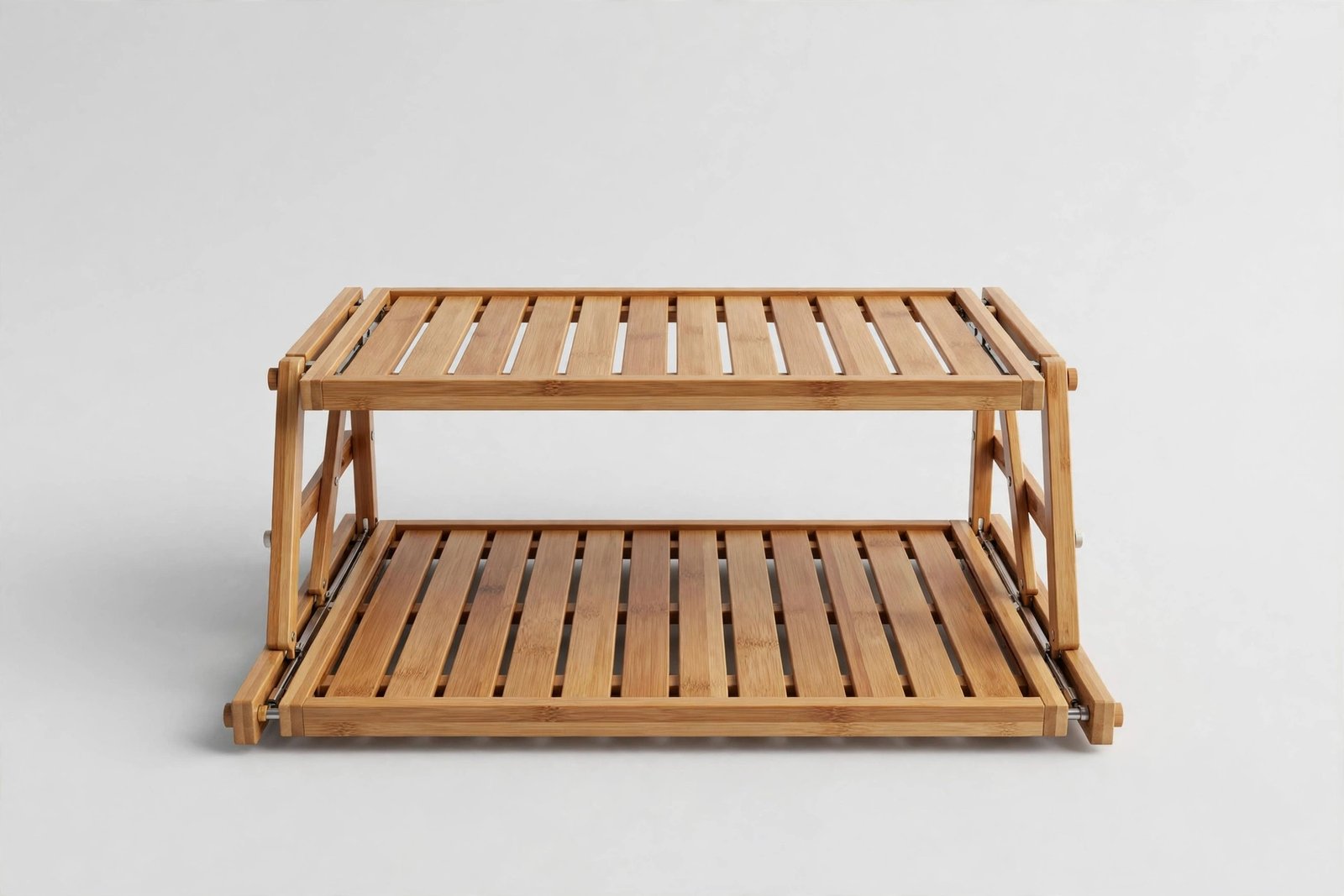
Most pantry shelves have a foot of empty air above the cans, which is basically free real estate going to waste. A shelf riser creates a second level in that dead space, so you can see and reach twice as much. It is the cheapest square footage you will ever add to your kitchen.
Bamboo risers are my favorite because they look warm and natural instead of plasticky, and they wipe clean. Use them for canned goods, jars, and anything short enough to fit underneath. Suddenly the back row is not a mystery anymore, because the riser lifts it into view.
Stackable and expandable sets are worth the few extra dollars, since you can configure them around whatever your shelves look like. Put the things you grab daily on the riser top and the backups underneath, and the whole shelf starts working like a little store display.
Family Friendly Zones That Get Used
A pantry that only works for the adults is a pantry that falls apart by Wednesday. These next ideas build zones around the way kids actually eat, grab, and, let us be honest, scatter things, so the system survives real life.
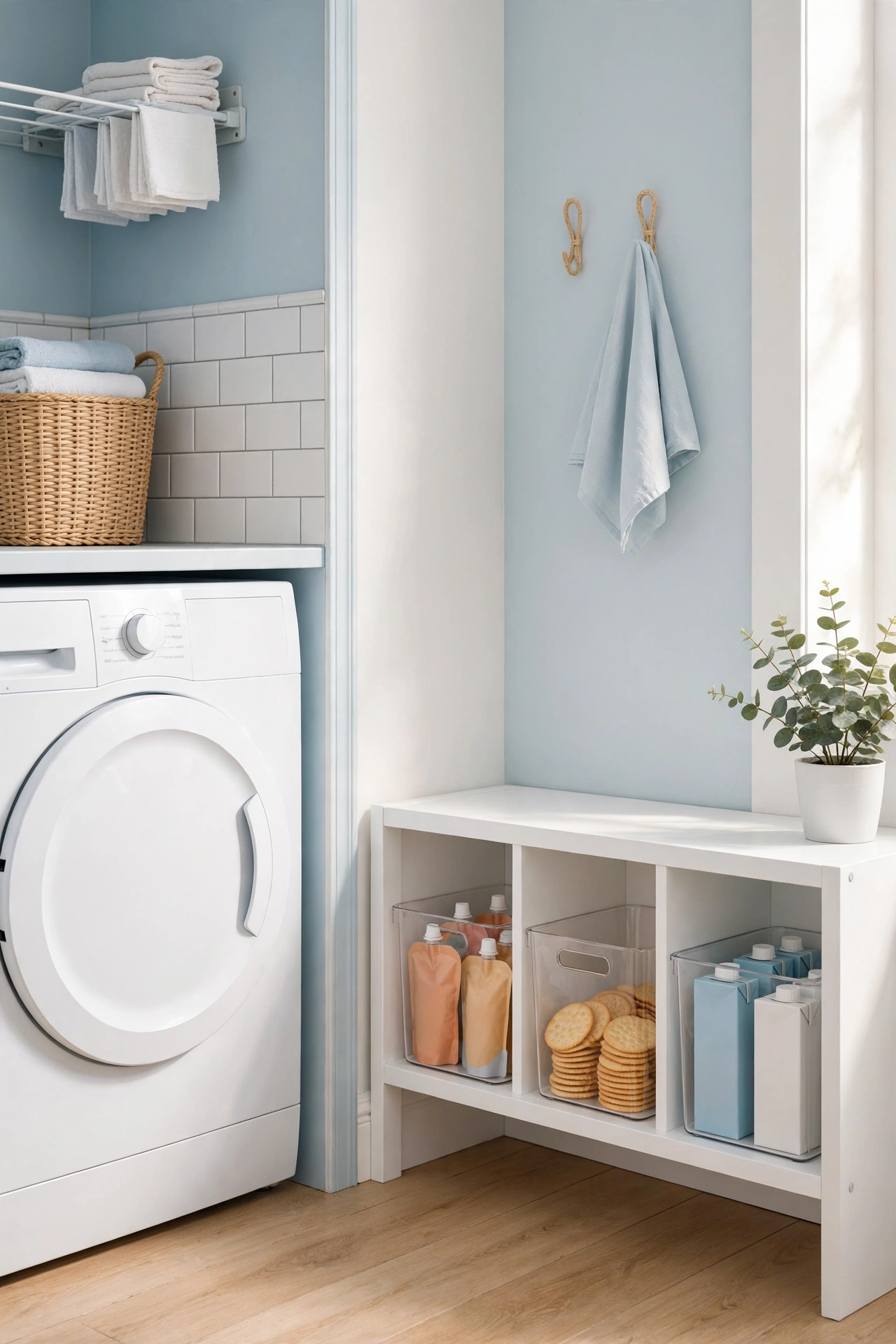
6. Build a Kid Height Snack Station
Kids ask for snacks approximately four hundred times a day, and every request means you stop what you are doing. A snack station at kid height changes the whole game. One low shelf or bin with parent approved options, and the kids can help themselves without climbing the counters or shouting across the house.
The key word is approved. You choose what goes in the station, so every choice in there is one you are fine with. Granola bars, fruit cups, little cracker packs, applesauce pouches. When the options are all yeses, you never have to negotiate. Set a simple rule, like two snacks between meals, and let them run it.
Restock the station once a week, ideally right after grocery day, and keep the backup supply on a higher shelf. Kids love the independence, and you will love the forty minutes of quiet you get back every afternoon. Everybody wins.
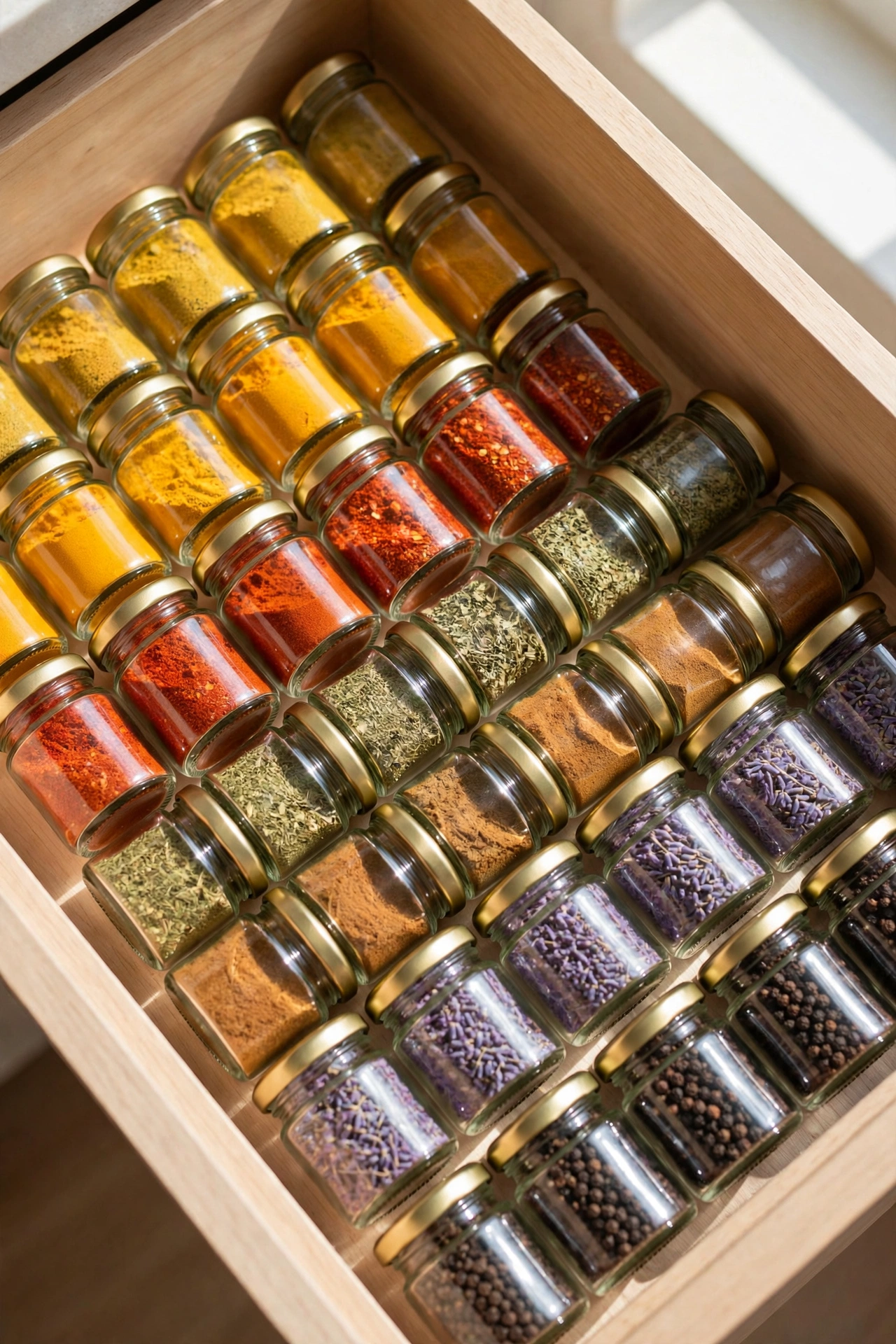
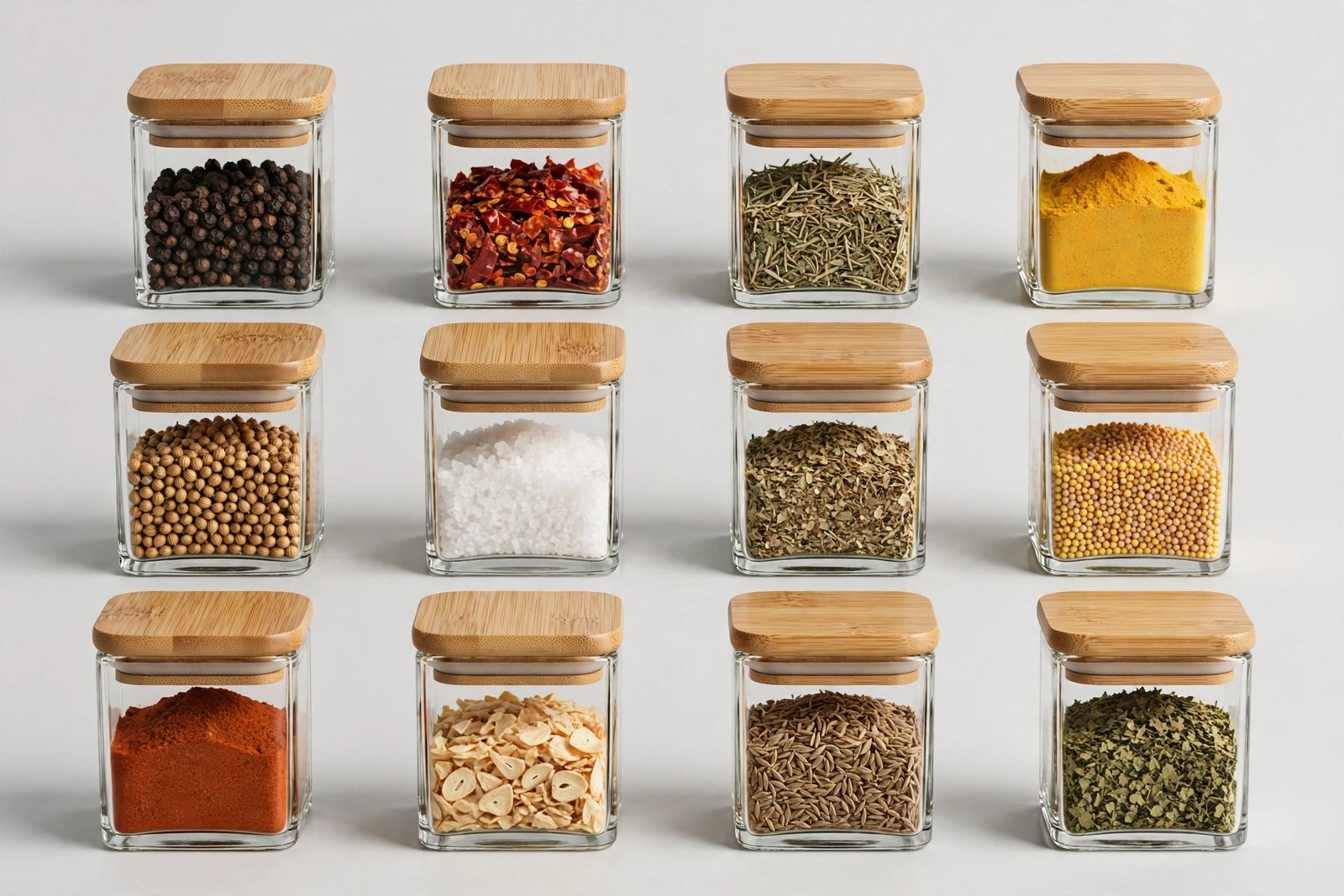
7. Give Spices Matching Jars and Real Labels
A spice collection in twenty different store jars is visual noise, and you can never find the paprika when you need it. Matching glass jars with real labels turn the spice shelf into the prettiest corner of the pantry, and more importantly, you can read every label at a glance instead of squinting at tiny store print.
Go with a full set that includes the jars, shaker lids, and a big sheet of preprinted labels, because buying those pieces separately costs more and takes longer. Square jars line up neatly with no wasted gaps. The little funnel that comes in most sets is not a throwaway extra, it is the difference between a clean fill and paprika all over the counter.
Decant spices in batches, maybe ten at a time, so it feels like a quick win instead of a weekend project. Keep a few blank labels and the marker handy for the spice blends and the mystery jar from the bulk store. Alphabetical order is lovely, but honestly, grouping by cuisine works just as well for real cooking.
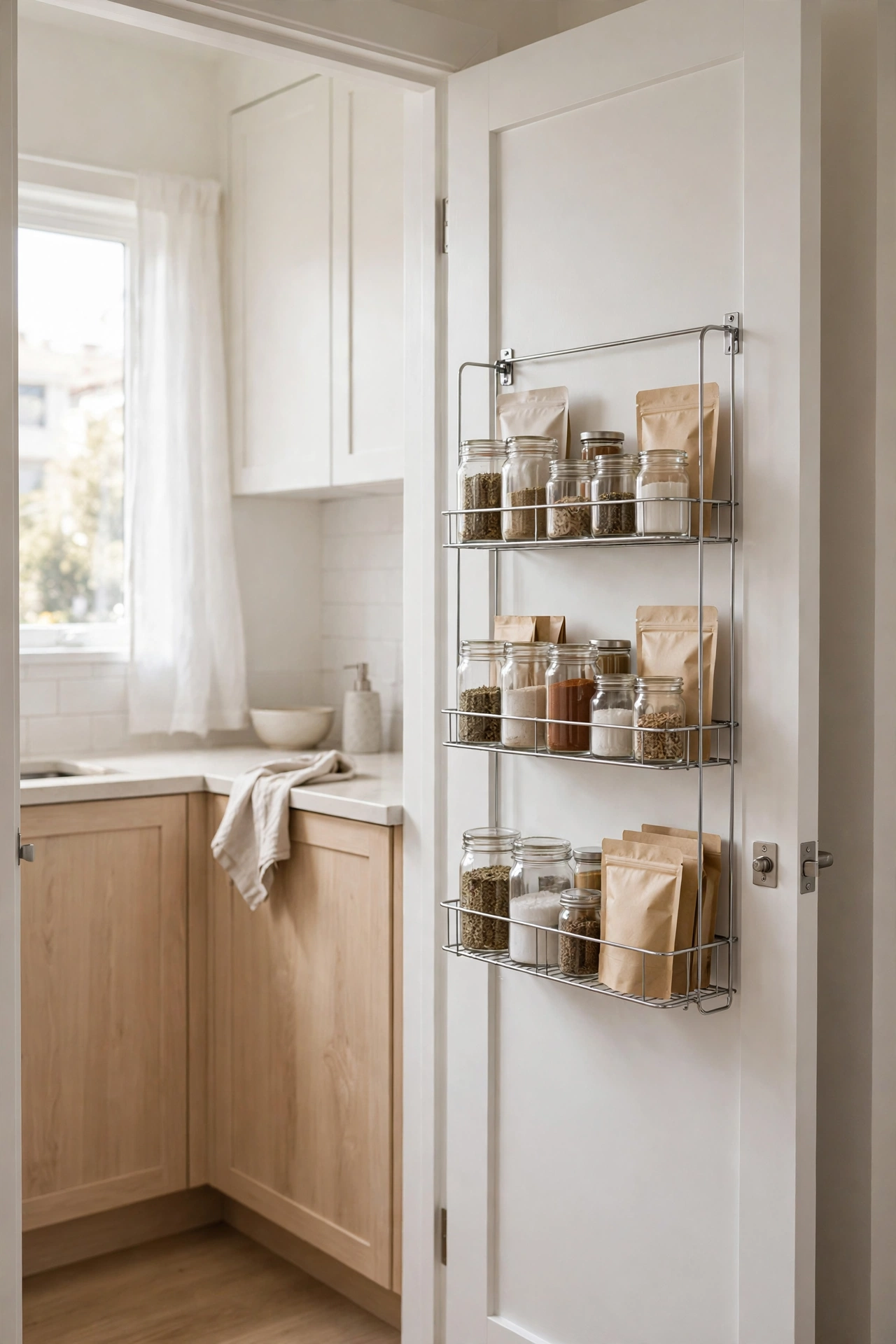
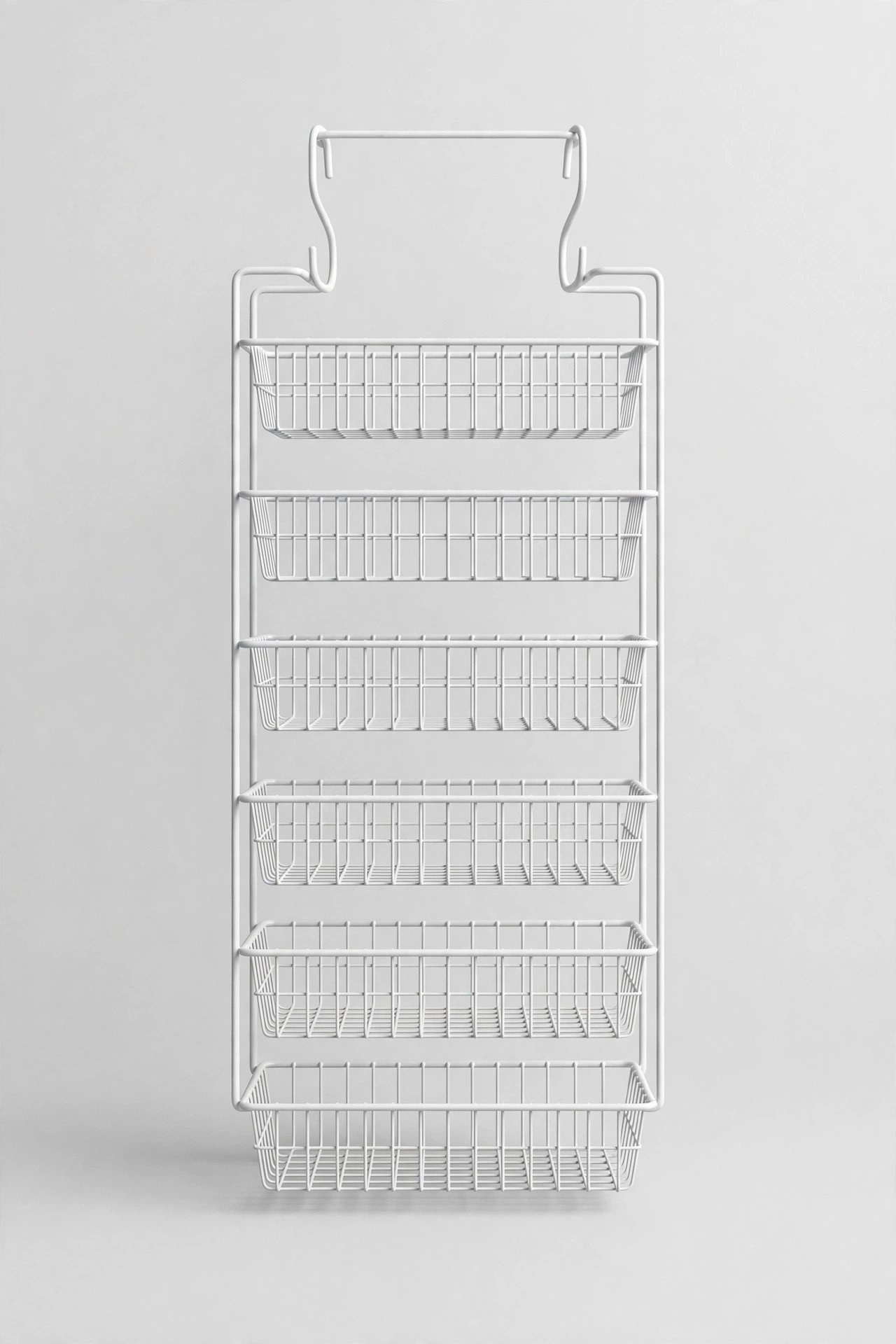
8. Hang Storage on the Pantry Door
The inside of the pantry door is the most underused surface in the whole kitchen. An over the door rack with adjustable baskets adds the equivalent of an entire extra shelf without taking a single inch of shelf space. It is honestly a little bit magic.
This is prime territory for the small things that clutter shelves: spice packets, snack bars, tea boxes, wraps and foils, the vitamins everyone forgets to take. Adjustable baskets let you set the spacing around tall bottles, and the whole thing lifts off for cleaning, which it will need after the inevitable honey spill.
Check your door thickness and the clearance to the shelves before you order, since not every rack fits every door. Once it is up, keep the heaviest items low so the door swings easily. Kids love this one too, because everything is visible and grabbable at their level.
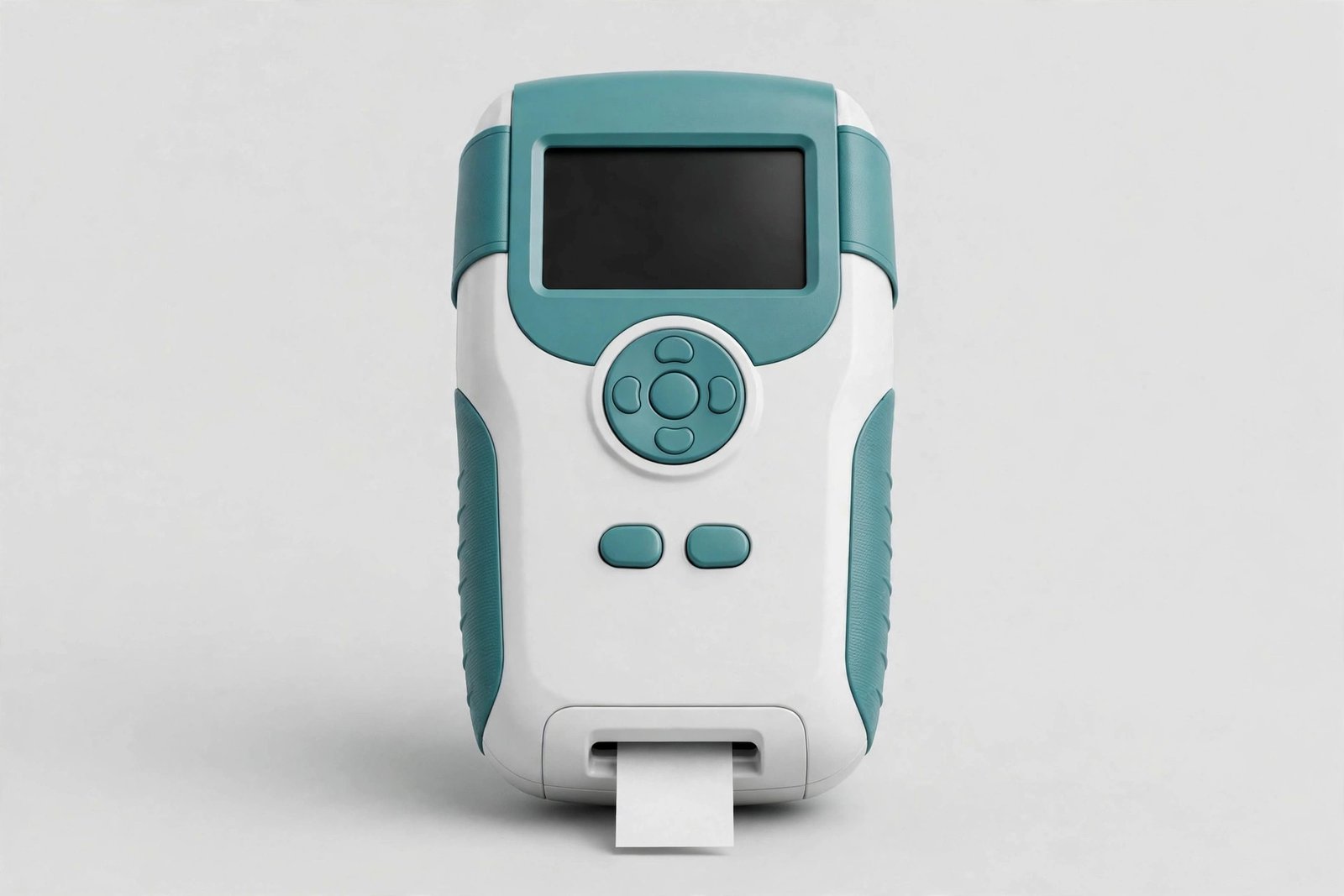
9. Label Everything Like You Mean It
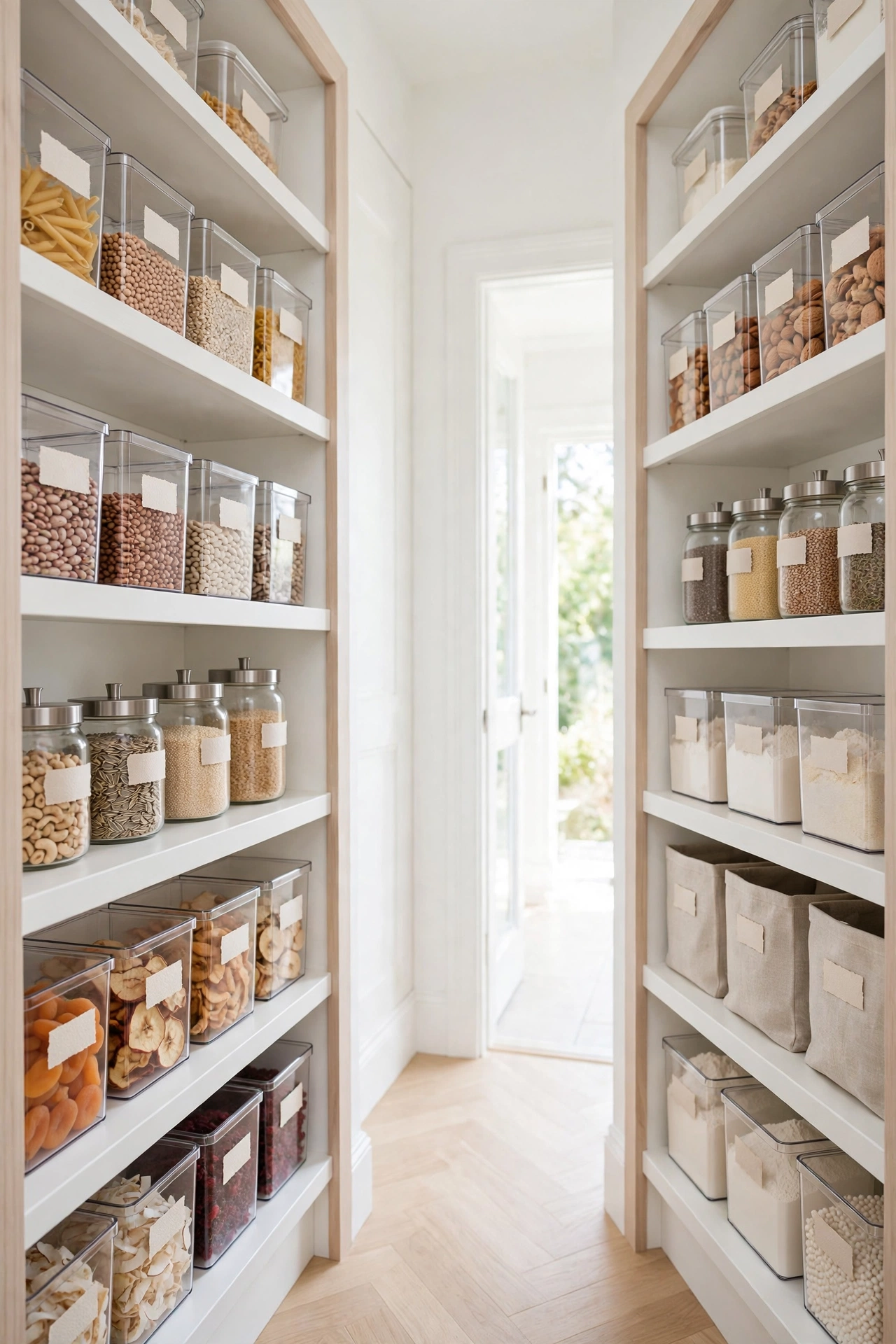
Labels are what turn your system into the family system. A bin without a label is a suggestion. A bin with a label is a rule. When every bin, jar, and zone is labeled, anyone in the house can put groceries away correctly, including the teenager who claims he does not know where things go.
A little handheld label maker is the tool that makes this actually happen. It prints clean, readable labels in seconds, and the labels wipe clean and survive pantry humidity. Go for simple white labels with clear words, snacks, baking, pasta, cans. Fancy script fonts look cute on day one and unreadable by month three.
Label the shelf edge as well as the bin, so the system survives even when a bin is in the dishwasher or mid restock. And involve the kids in the labeling, because a kid who helped make the label will defend that zone like a tiny security guard.
Win Back Deep Shelves and Corners
Deep shelves are where pantries go to die. Things slide to the back, expire in the dark, and get bought twice. These ideas pull everything forward into the light where you can actually use it.
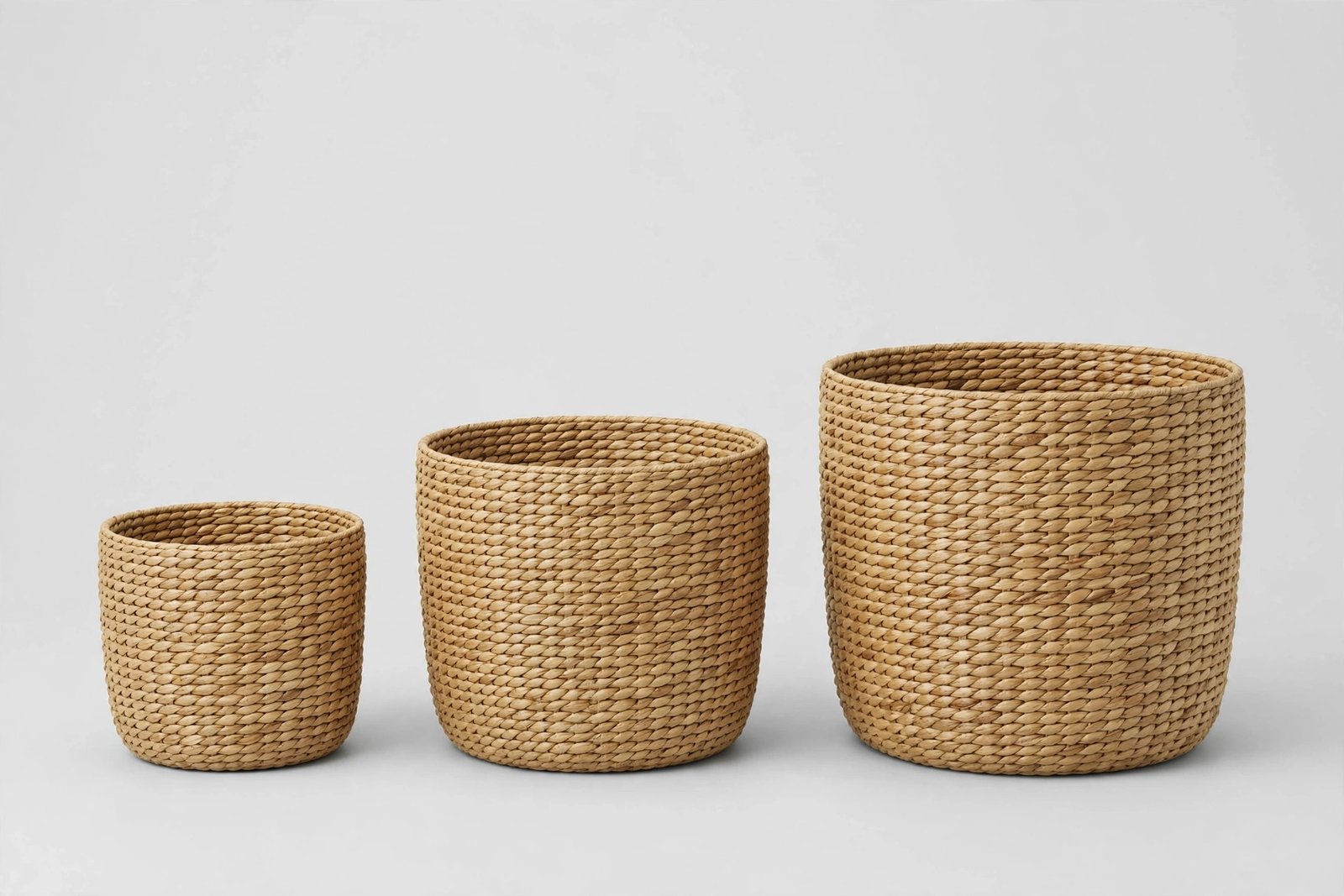
10. Hide the Mess in Woven Baskets
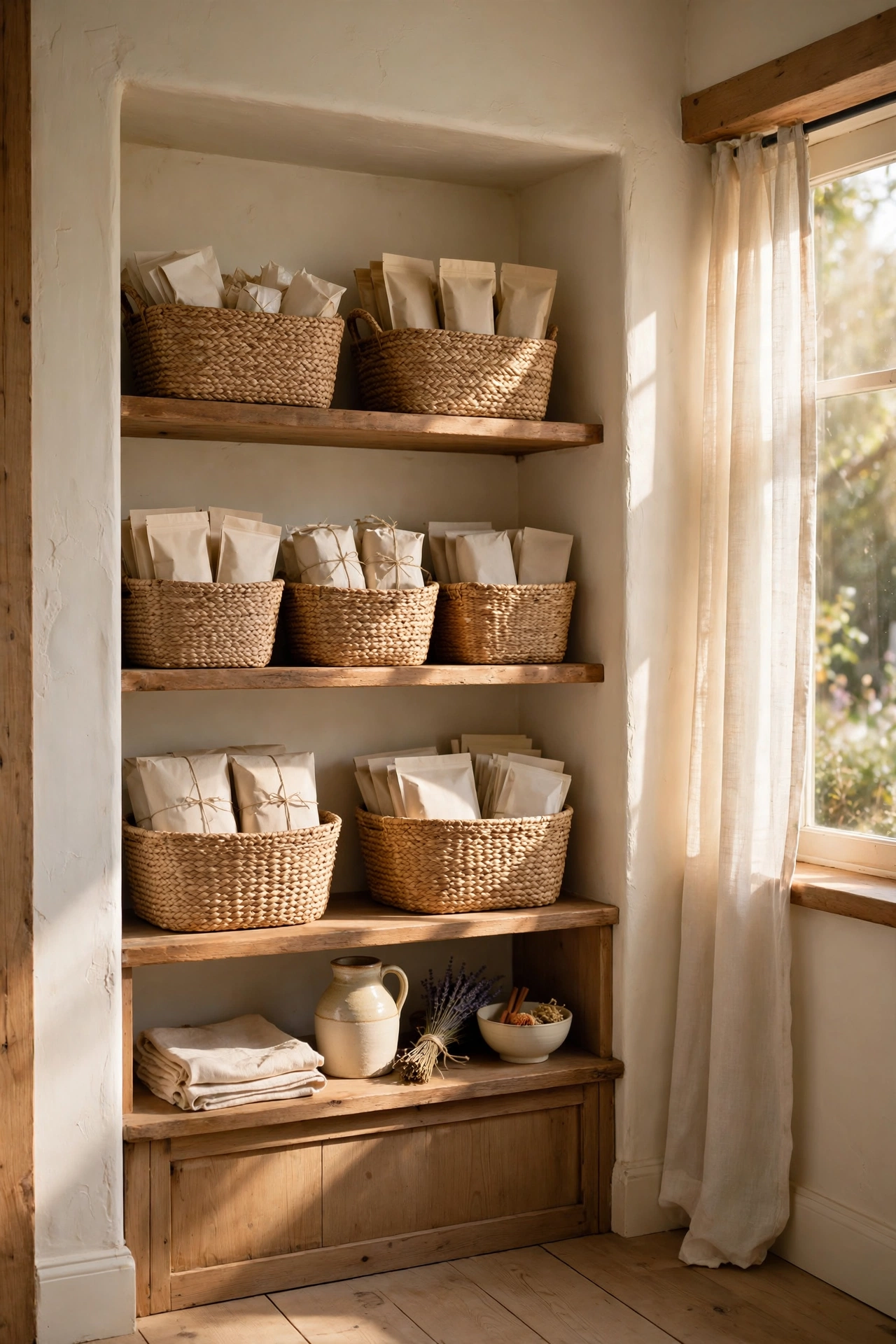
Not everything in a pantry needs to be visible. The random packets, the half used bags, the vitamins, the tea collection that got out of hand, some things just look better hidden. Woven baskets give you that tidy hidden storage while still looking warm and intentional, not plasticky.
A set of graduated sizes is perfect because you can match the basket to the job. Big ones for bulky snack bags, medium ones for packets and pouches, small ones for the odds and ends. The handles make them easy to pull down from a high shelf, which is exactly when you need a handle the most.
Use these for the categories that are useful but not pretty. Keep one basket as the designated junk drawer of the pantry, because every pantry needs one honest spot for the random stuff. When it is contained in a basket, it reads as organized instead of messy.
11. Use First In First Out for Freshness
First in first out is the rule every grocery store uses, and it works just as well at home. New cans and boxes go in the back, older ones move to the front, so you always use the oldest thing first. It sounds obvious, but without a system, the new stuff always lands in front and the old stuff quietly expires behind it.
Make it easy on yourself by keeping categories in a single row where you can. When you bring home new cans of tomatoes, slide the old ones forward and tuck the new ones behind. It takes ten extra seconds on grocery day and saves you from the sad discovery of a can that expired two years ago.
Do a quick date check twice a year, maybe when the seasons change, and pull anything past its prime. Donate the unexpired extras you know you will not use to a food bank. A pantry with fresh stock is a pantry you can actually cook from with confidence.
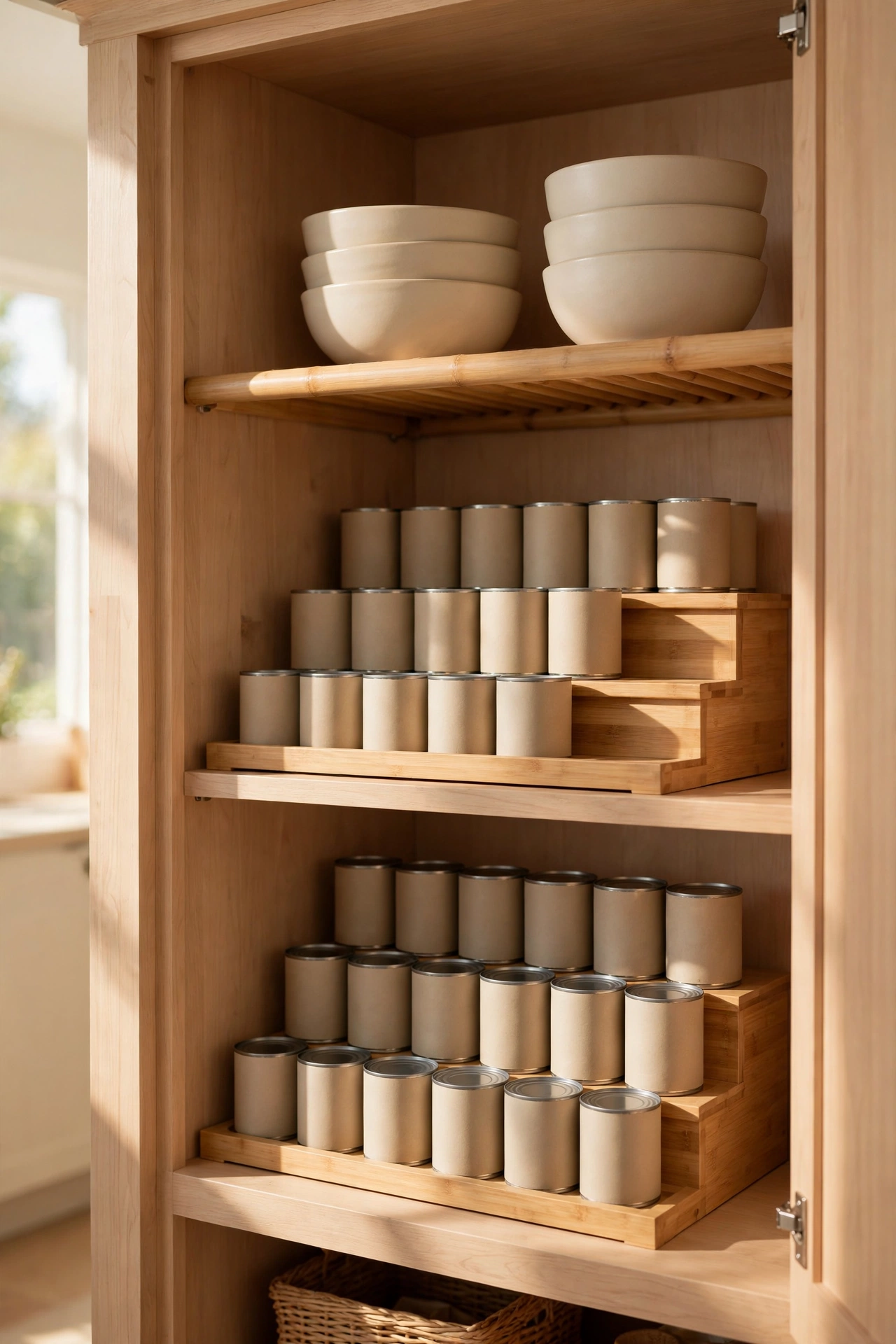
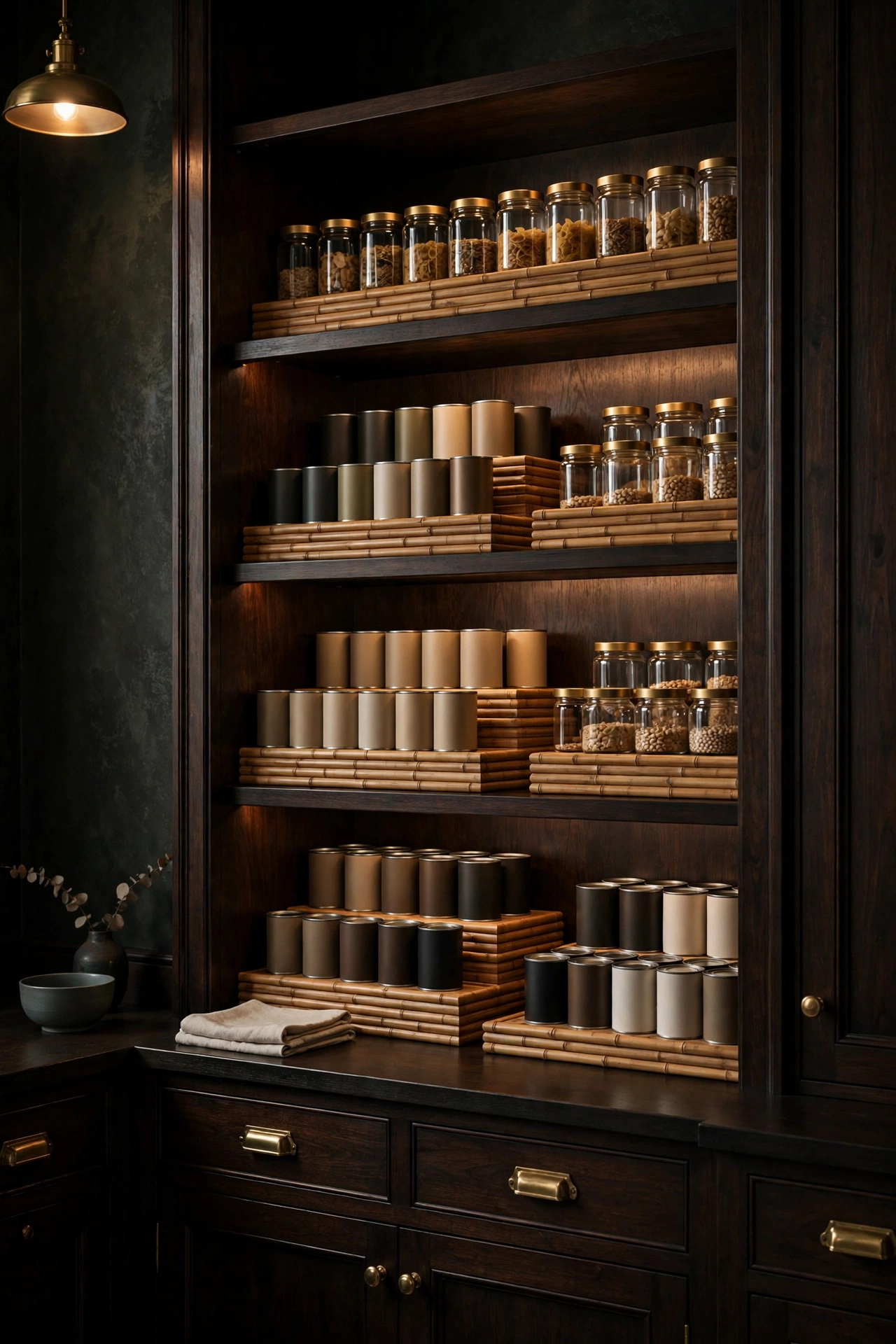
12. Line Up Cans on a Tiered Riser
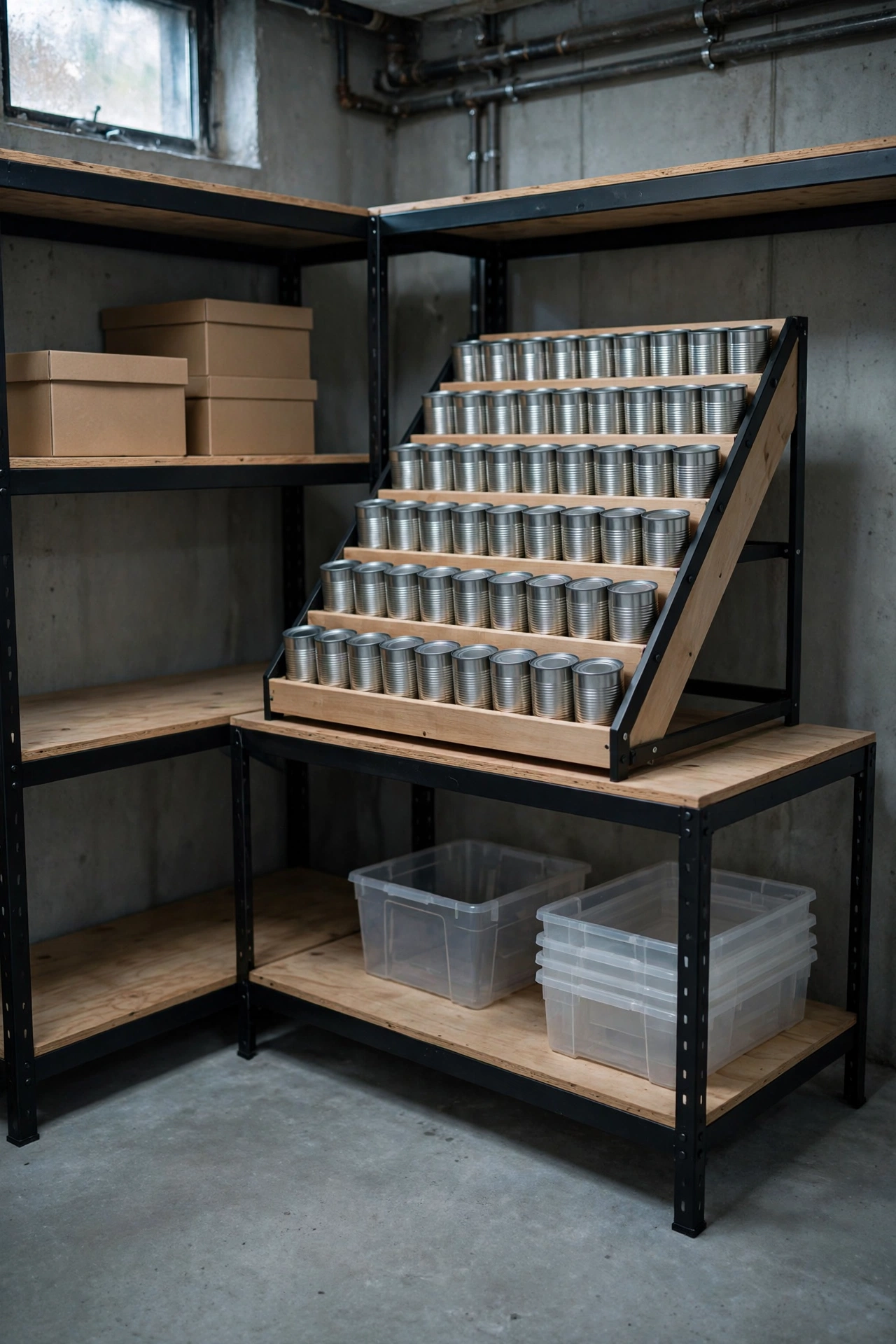
A single row of cans on a flat shelf is fine until you own more than one row, and then the back row becomes invisible. A tiered riser, those little stadium steps, lifts every row into view so you can see all your cans at a glance. No more buying a third can of black beans because the first two were hiding.
Sort cans by type on the tiers, tomatoes together, beans together, soups together, and the riser becomes a visual inventory. You will know you are low on crushed tomatoes the moment you glance at the shelf. It also makes the pantry look oddly satisfying, which is a nice bonus for a space you open constantly.
Measure your shelf height first, since tiered risers need enough clearance for the tallest can on the top step. Keep the riser on a lower shelf where the weight is stable and easy to reach. Light cans up top, heavy ones down low, and nothing wobbles.
13. Create a Grab and Go Breakfast Zone
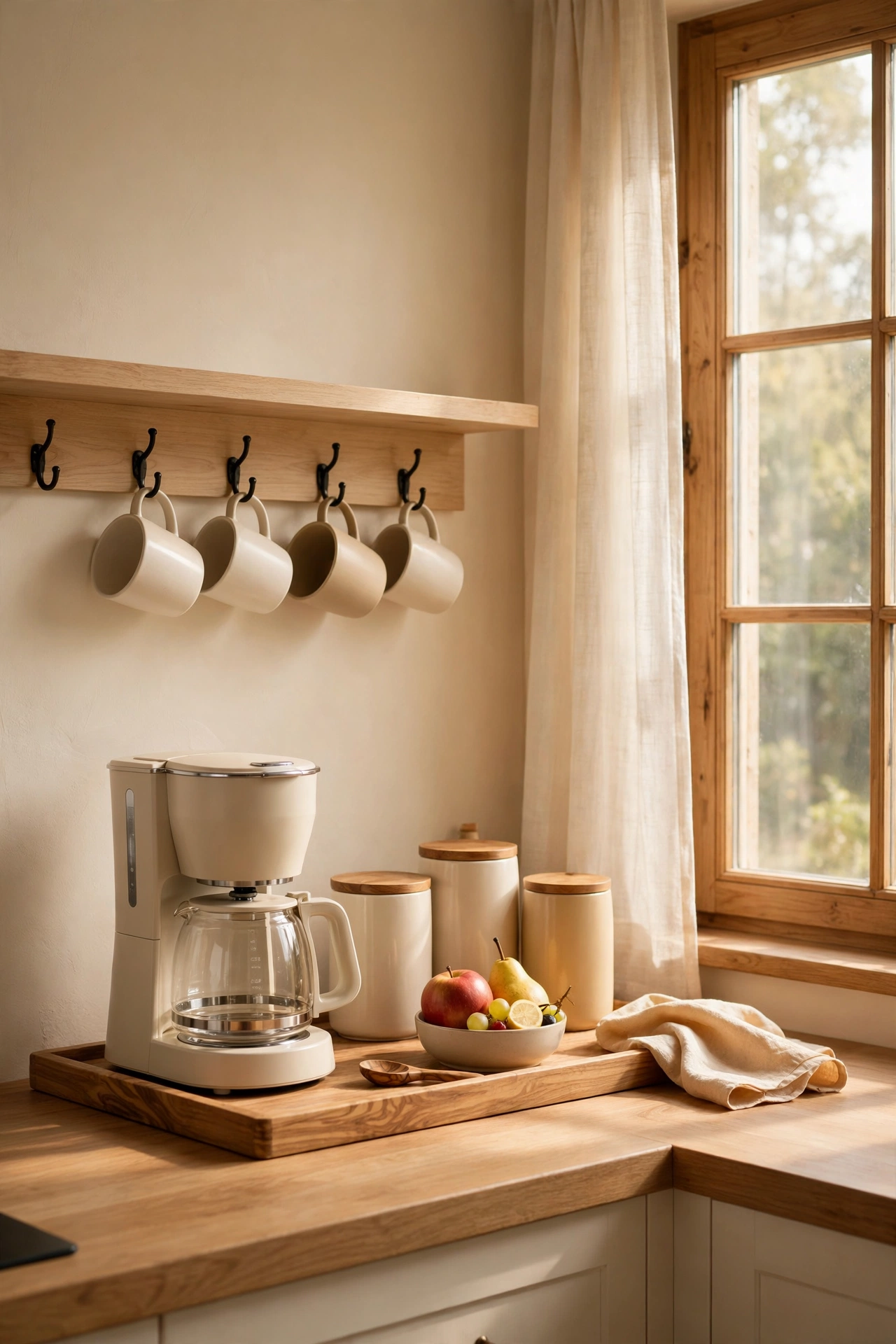
Mornings are not the time for decision making, so take the decisions out of breakfast. A dedicated breakfast zone with everything in one spot means the kids can get themselves fed while you pack lunches. Cereal, oatmeal packets, granola bars, peanut butter, the whole morning lineup in one neighborhood.
Keep this zone at kid height if your crew serves themselves, or at your height if you are still the short order cook. Either way, everything for breakfast lives together, which means no more hunting through three shelves while the toast burns. Add the bowls and spoons nearby if you have the cabinet space, and the zone becomes fully self serve.
Restock it on grocery day like the snack station, and keep the backup boxes on a higher shelf. When breakfast runs itself, the whole morning gets calmer, and calm mornings are worth more than any organizing product ever made.
Systems That Keep It Organized for Good
Getting organized is the easy part. Staying organized is the whole game. These last ideas are the maintenance systems, the backstock rules, and the tiny habits that keep the pantry working month after month.
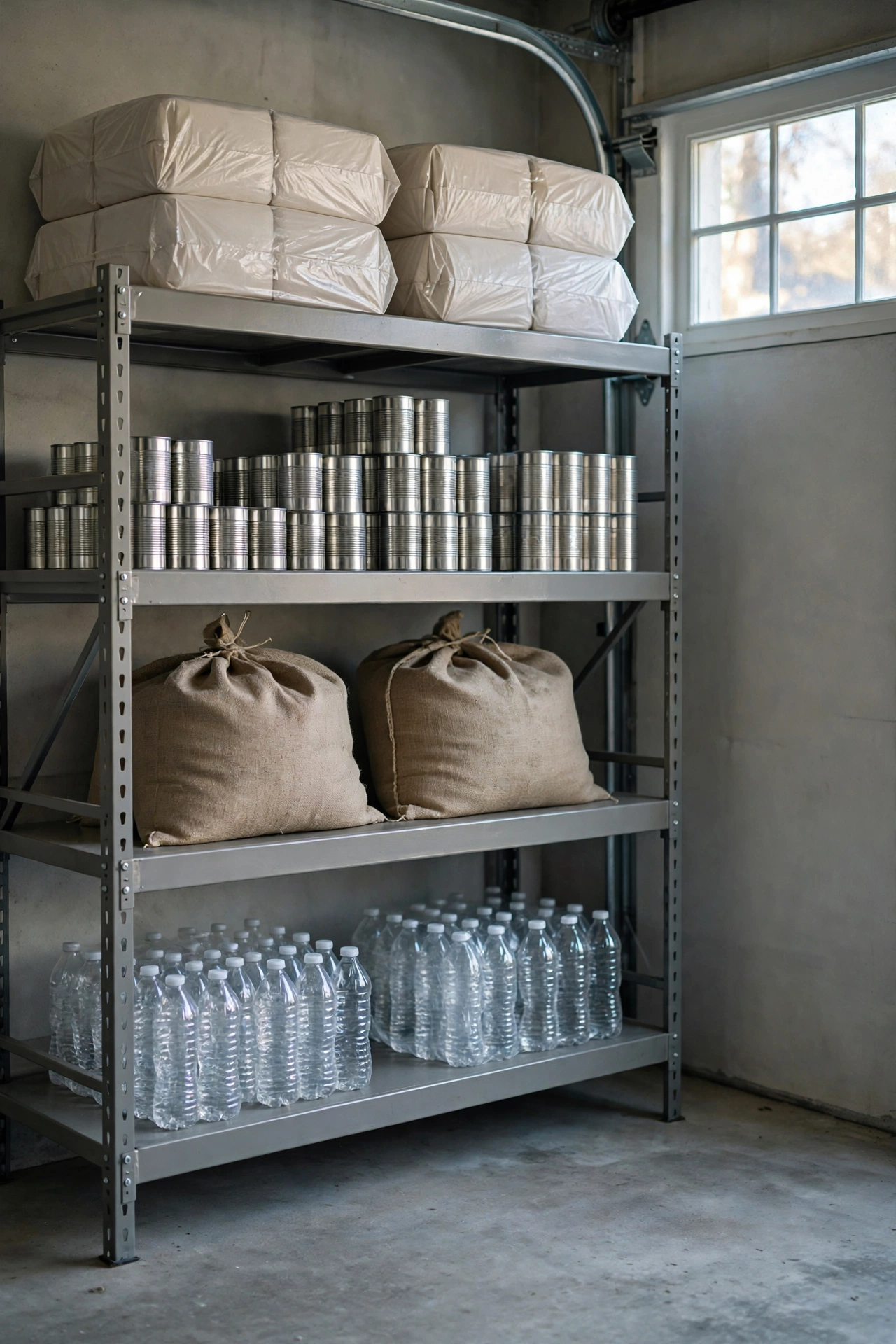
14. Keep a Backstock Bin for Bulk Buys
Bulk buys are wonderful until the six pack of marinara sauce takes over an entire shelf. A dedicated backstock bin, up high or down low, holds the extras while the working supply lives in the regular zone. The pantry stays calm because the bulk of the bulk is out of the way.
Think of it as the pantry warehouse. When the working jar of peanut butter runs out, you pull one from backstock and add peanut butter to the shopping list. You never run out, you never overbuy, and the everyday shelves never look like a warehouse club exploded.
Label the backstock bin clearly and keep a rough count system, even just a sticky note on the bin that says how many are left. When the bin is empty, that item goes on the list. Simple, boring, and incredibly effective.
15. Clip Under Shelf Baskets into Dead Air
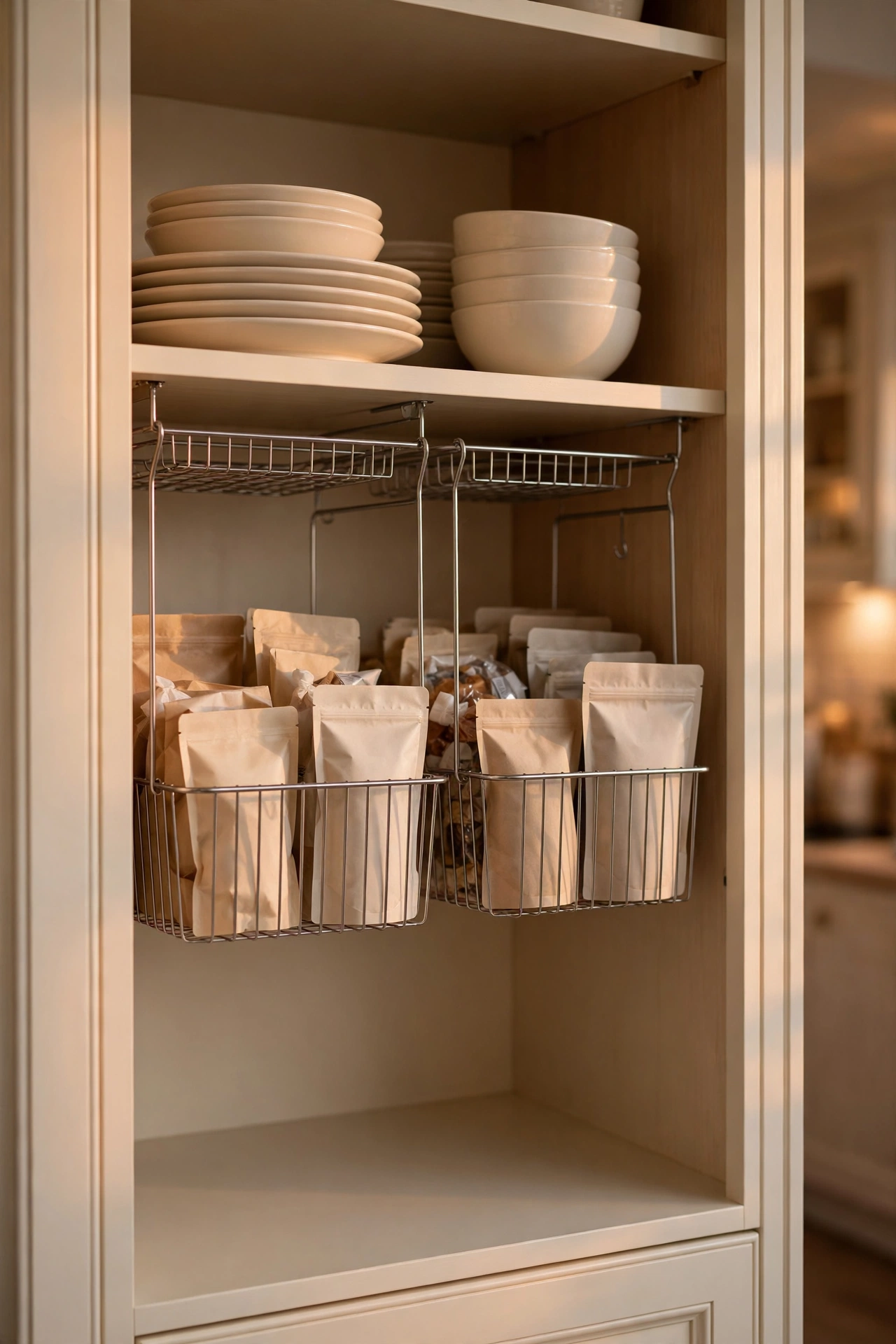
There is always a gap between the top of your jars and the shelf above, and under shelf baskets turn that gap into storage. They clip right onto the shelf with no tools, creating a little hanging drawer for the flat things that never fit anywhere: seasoning packets, tea bags, snack pouches, wraps and foils.
These are perfect for the categories that are too small for a bin and too annoying to stack. Slide them in and out like a drawer, and suddenly the dead air is working. They are also great renters, since they leave no marks and move with you.
Keep them light, since they hang from the shelf itself. Packets and pouches are ideal, cans are not. One or two per shelf is plenty, and they work best in that awkward middle zone between the tall items.
16. Slide Pull Out Drawers onto Deep Shelves
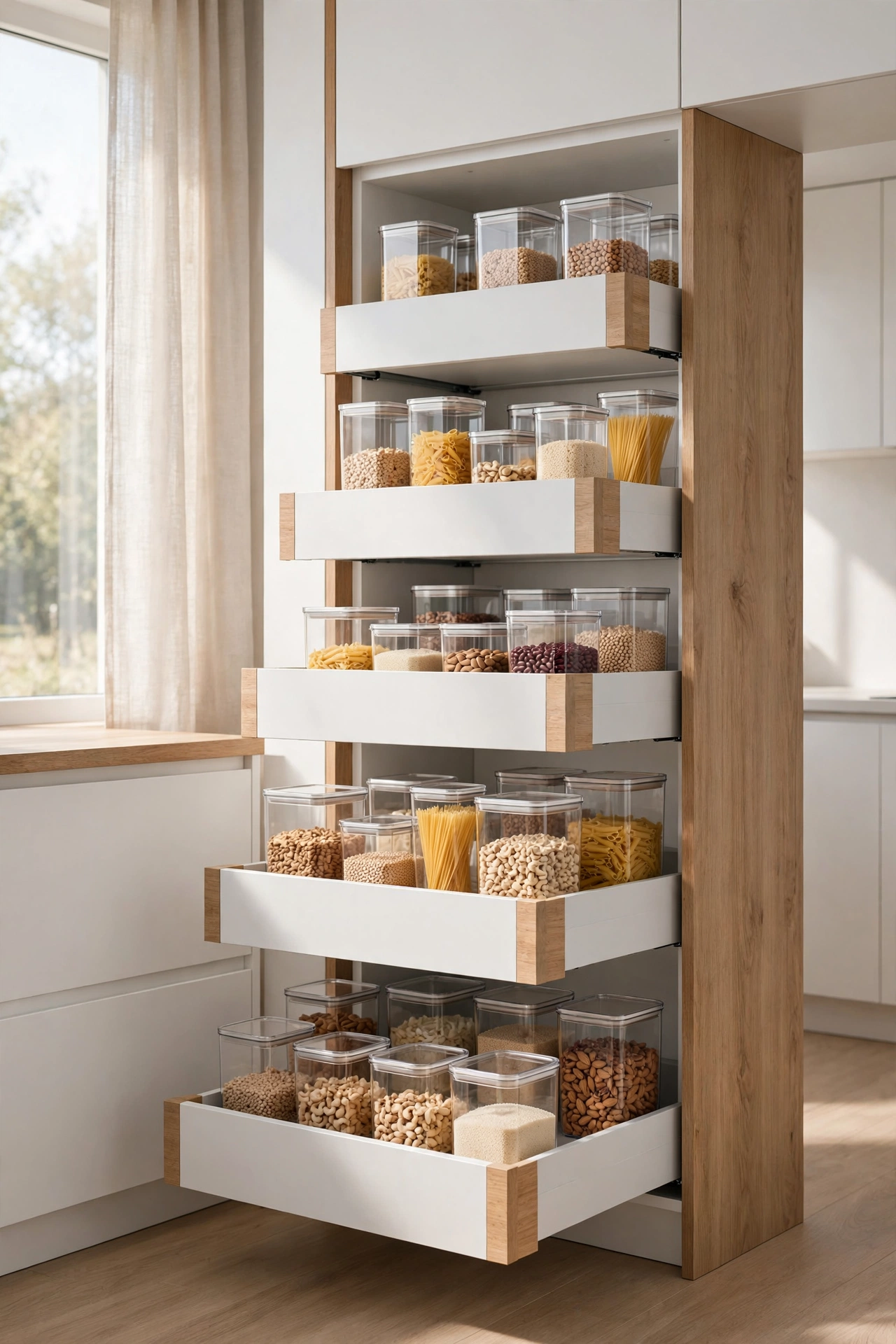
Deep shelves are the number one pantry complaint, and pull out drawers are the number one fix. A sliding drawer on a deep shelf brings the entire back row to you, which means nothing gets lost, forgotten, or double bought ever again. It is the closest thing to a magic wand that pantry organizing has.
Use them for the categories with lots of small items: baking supplies, canned goods, snack overflow, the medicine and vitamin stash. The drawer contains the category and the slide brings it forward, so you get containment plus visibility in one product.
Measure the shelf depth, width, and height before ordering, and look for drawers with a lip or rail so things do not slide off the back. Install the drawers on the shelves you use most, since those are the ones where the digging hurts the worst.
17. Keep an Inventory List on the Door
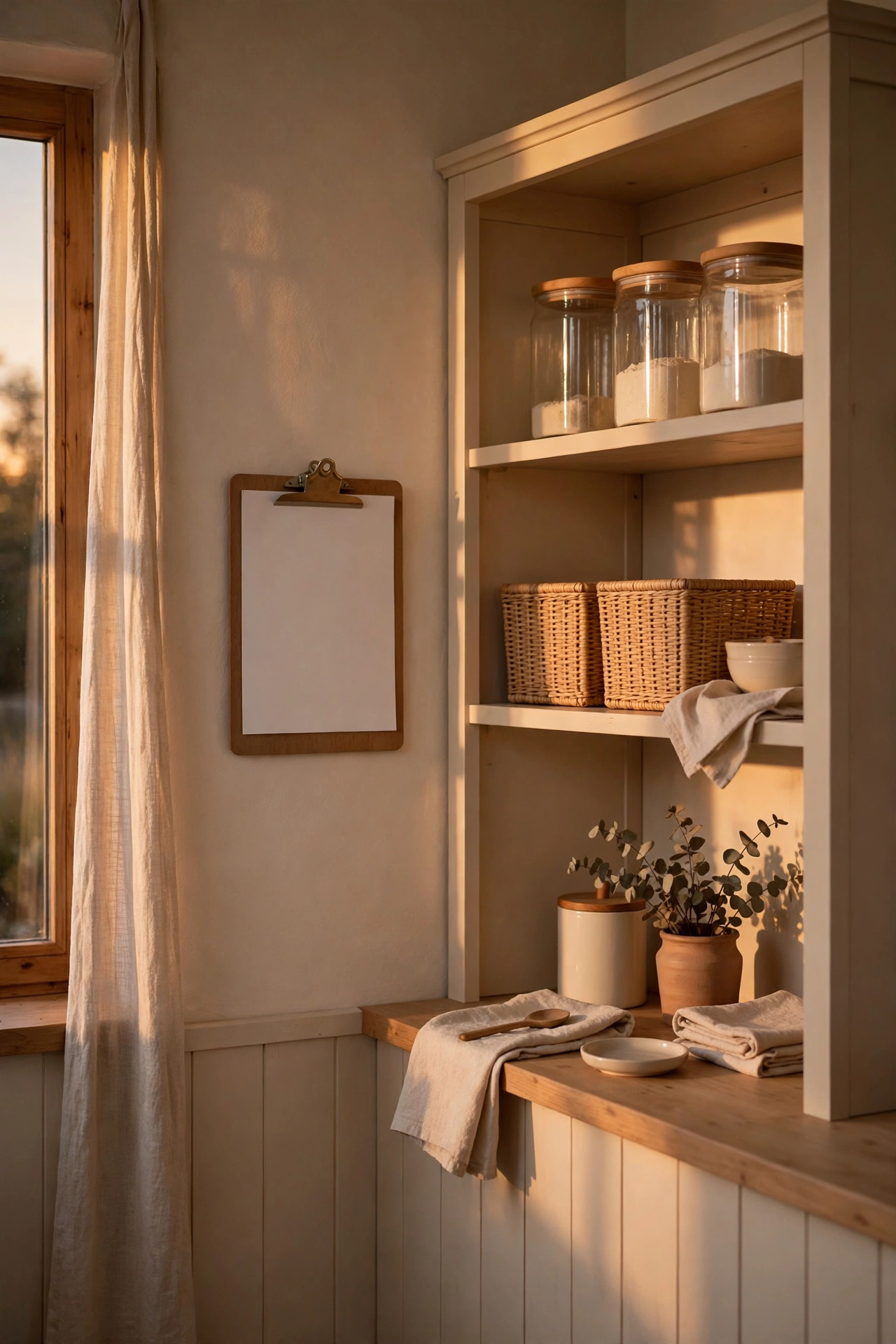
You cannot shop well from a messy mental list, so put the list where the food is. A simple inventory sheet on the inside of the pantry door, or a little whiteboard, lets anyone note what ran out the moment they notice it. No more standing in the grocery aisle trying to remember if you need baking powder.
Keep it dead simple: a running list of what is out, not a full catalog of what is in. When the last can of chickpeas goes into dinner, chickpeas go on the door list. One glance before grocery day and your list writes itself. Some families use a magnetic notepad, others a whiteboard, use whatever you will actually touch.
Make it a house rule that whoever finishes something writes it down, and model it yourself for the first few weeks. Kids are surprisingly good at this once it becomes the routine. The door list is the cheapest inventory system ever invented, and it works.
18. Gather Baking Supplies in One Tote
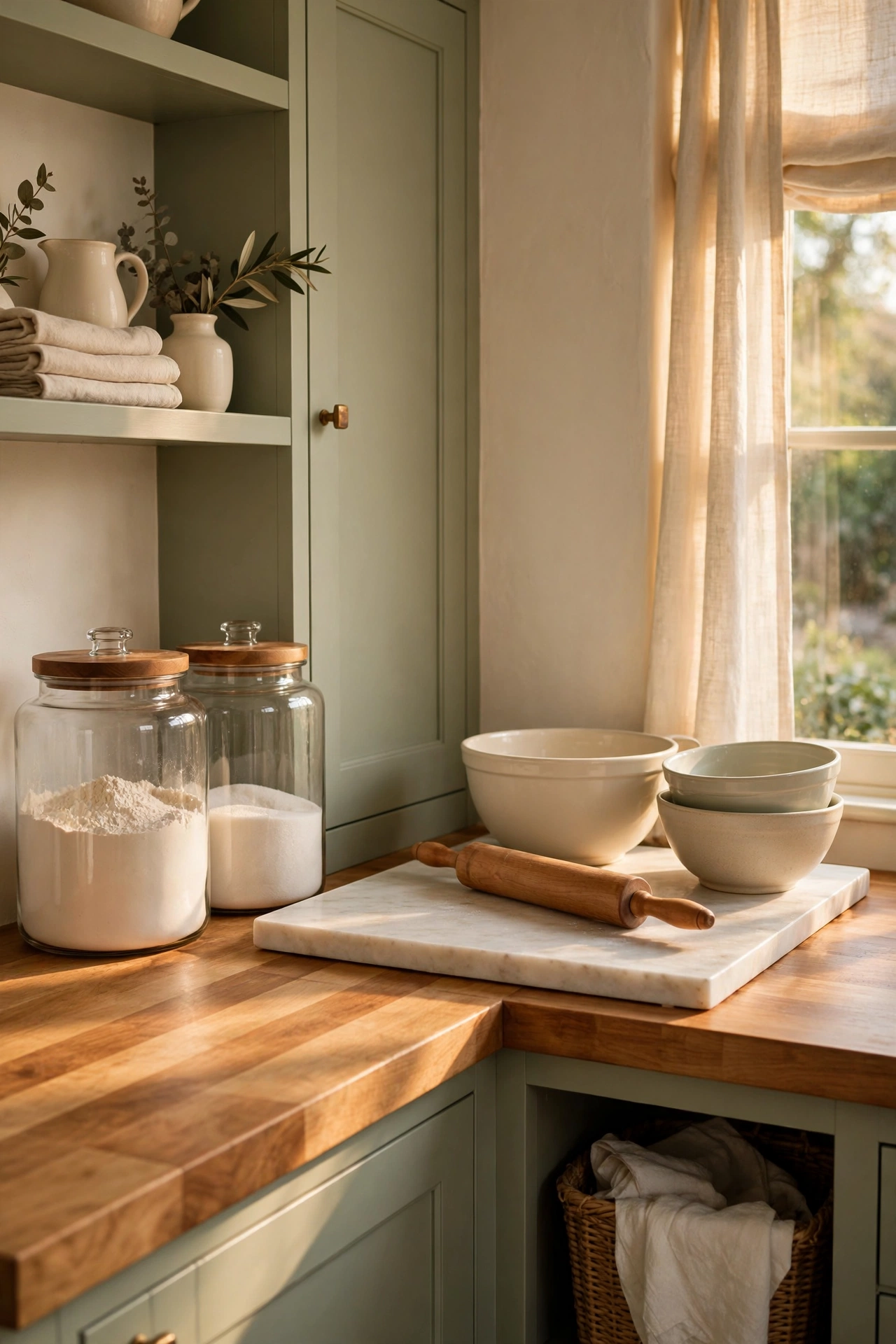
Baking supplies are the worst pantry sprawlers. Flour in one spot, sugar somewhere else, chocolate chips hiding behind the oats, and the baking powder is always a mystery. Gathering everything into one tote or large bin means baking starts with grabbing one thing, not hunting through five shelves.
A deep tote with handles works beautifully here. Flour, sugar, brown sugar, baking powder, baking soda, vanilla, chocolate chips, the whole crew rides together. When it is baking time, you pull the tote out and set it on the counter, and when you are done, the whole thing goes back in one move.
Keep the tote on a middle shelf where it is easy to lift down, and skip it for the giant flour bags if you decanted those into canisters. The tote is for the supporting cast, the little bags and boxes that used to scatter everywhere.
19. Do a Five Minute Reset Every Week
Here is the honest truth about every pantry system ever built: it drifts. A box lands in the wrong zone, a bag gets shoved in sideways, the kids restock the snack station with creative enthusiasm. A five minute reset once a week catches the drift before it becomes chaos again.
Pick a standing time, like Sunday night after the kids are in bed, and set a timer. Straighten the cans, push things back to their zones, toss the stale crackers, wipe the shelf that always gets sticky. Five minutes is not enough to reorganize, and that is the point. It is just enough to maintain.
This tiny habit is what separates the pantries that stay organized from the ones that get one good cleanout a year. Do it with a podcast on and it barely feels like a chore. Your future self, opening a tidy pantry on a busy Tuesday, will be so glad you did.
More Favorites
This post contains affiliate links. If you buy through them, I may earn a small commission at no extra cost to you.
A few more favorites from the ideas above:
Your Pantry, Your System
Here is my honest take after years of pantry trial and error. You do not need all nineteen of these ideas. You need the three or four that match the way your family actually eats. Start with decanting and zones, because those two solve most of the daily friction, then add labels and a weekly reset to keep it all running.
And remember that a pantry is never really finished. Kids grow, tastes change, and the snack of the month is always evolving. The system that works for little kids with lunchboxes will need a refresh when those same kids are raiding the pantry after sports practice. Build it to flex and you will not have to start over.
If the rest of the house could use the same calm energy, take a peek at these 19 fall front entryway ideas that make your home feel warm and welcoming. An organized pantry plus a welcoming entry is a powerful combo, and those ideas pair beautifully with everything we just covered.
Once the pantry is under control, the calm tends to spread. I have found that tackling the living room next keeps the momentum going, and these 19 warm minimalist living room ideas for fall are a cozy place to start. One organized space really does lead to another.
Pick your starting point this weekend, even if it is just one canister set and a label maker. Small systems, used every day, beat perfect systems that never get built. Your future self, the one opening a tidy pantry with coffee still hot, is already grateful.
And give yourself grace while the system settles in. The first week will have some trial and error as everyone learns where things live. By week three it will feel automatic, and by month two you will wonder how you ever cooked in the chaos. That is the moment you know the system stuck.
With love and light
Get Fresh Home Ideas Every Week
Seasonal decor ideas, organizing tips, and cozy home inspiration, straight to your inbox.
More Organization Ideas You Will Love
Keep browsing for more seasonal inspiration: