
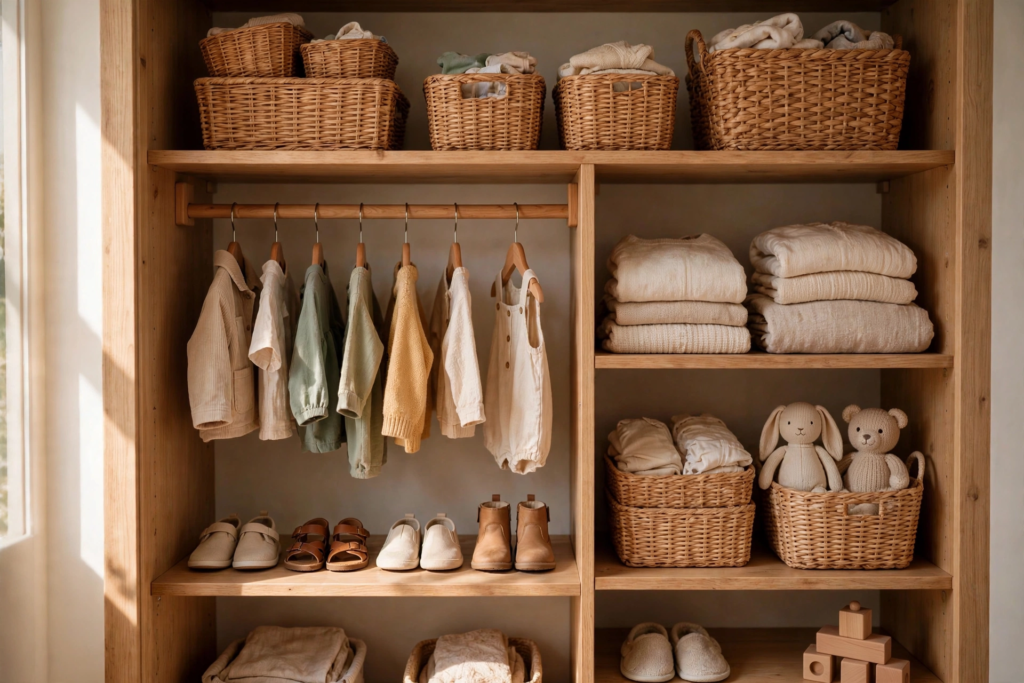
Close your eyes for a second and picture the perfect kids closet. Not a magazine closet. A real one. You open the door in the morning and everything smells faintly like clean laundry and warm cotton. Soft light falls across little rows of tiny shirts hanging at exactly the right height. Every bin has a name on it. Nothing falls on your head. Your kid walks in, still half asleep, grabs an outfit without asking you a single question, and you actually get to drink your coffee while it is still warm.
Now open your eyes and look at the real closet, where one lonely rod holds a crushed avalanche of hand me downs, a single shoe with no partner, and a tangle of dress up capes that may or may not be haunted.
I have lived in both versions, friend. And here is what I learned after organizing more small kids closets than I can count: the size of the closet was never the problem. The system was. A small closet with a good system will run circles around a big closet with none, every single time.
The whole game comes down to three moves: double rods, bins, and labels. That is it. Double the hanging space with a second rod. Catch everything else in bins. Label every single thing so a tired kid at 7am and a tired mama at 9pm both know exactly where it goes.
A few principles I live by, and you will see them woven through every idea below. First, everything needs a home, and every home needs a label. Second, store things where they get used, at the height of the hands that reach for them. And third, if your kid cannot see it, it does not exist, but if they cannot reach it, it might as well be on the moon.
I keep the palette calm on purpose too. Oatmeal bins, camel baskets, a little olive here, chocolate brown there, brass hooks, maybe a whisper of burgundy or rust. Nothing loud. Bright colors shout, and a small closet does not need more noise. Muted tones make the whole space feel bigger and calmer, which is exactly the energy we want at 7am.
Love these ideas? Get more every week.
Join the newsletter for seasonal decor and cozy home inspiration.
Double the Rod, Double the Calm
1. Hang a Second Rod Low Enough for Little Hands
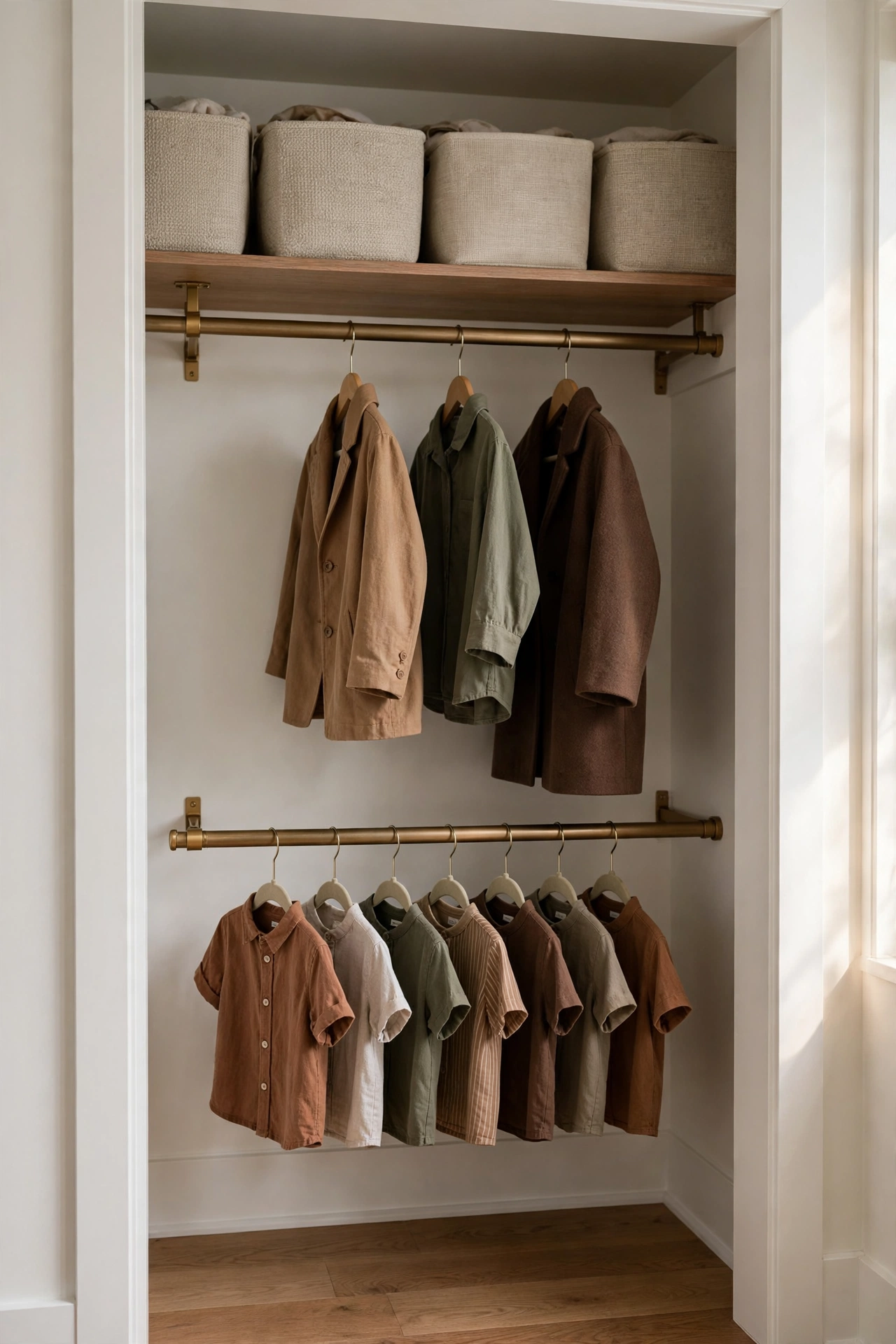
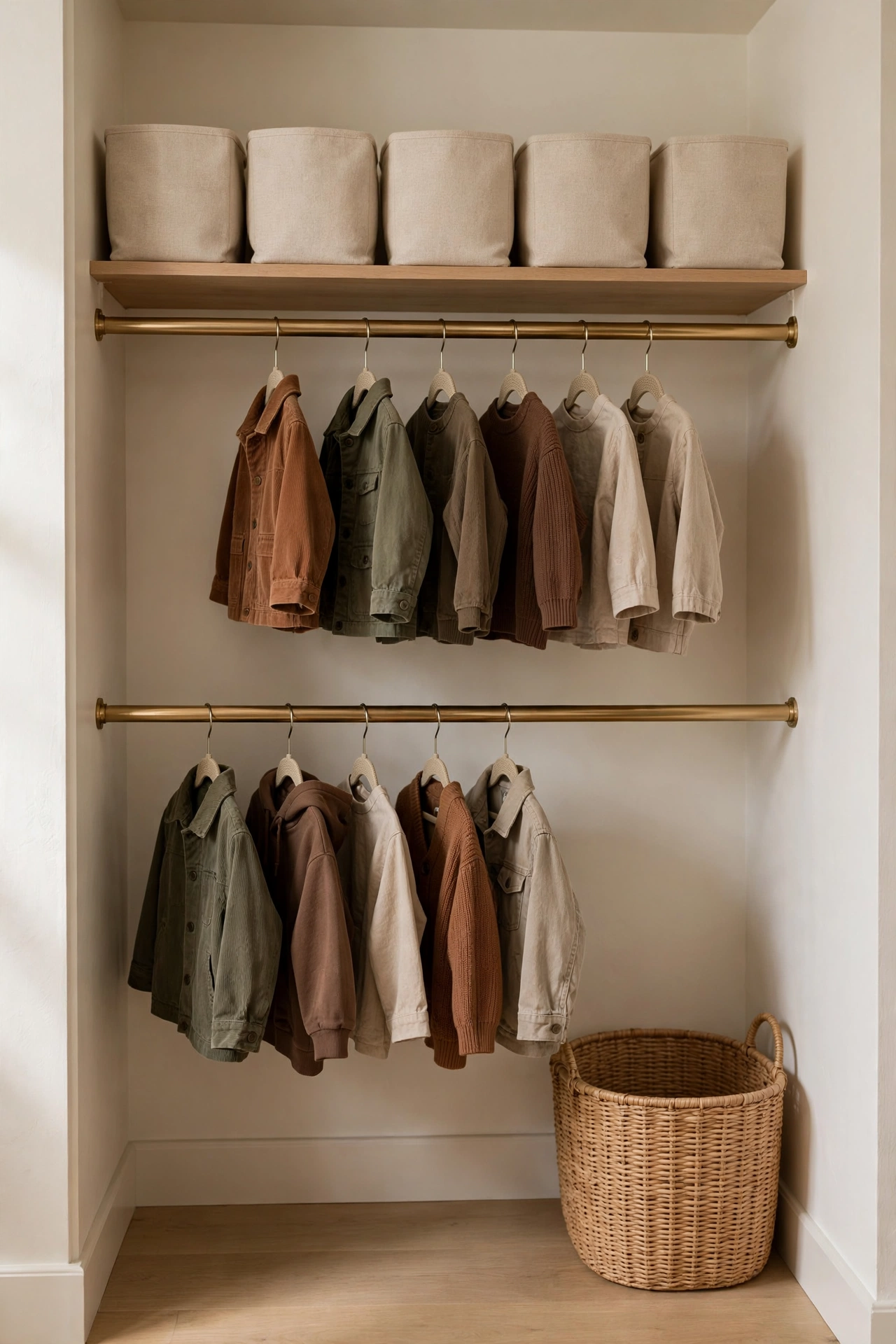
If you do exactly one thing from this entire list, do this one. Most kids closets come with a single rod hung at adult height, which means your child cannot reach a single thing without you. That one design choice is the reason you are still picking out outfits for a six year old. An adjustable second rod that hooks right over the existing one changes the whole power dynamic of the room. No tools, no drilling, no landlord drama. You just hang it, lower it to about waist height on your kid, and suddenly the closet belongs to them.
Here is the part nobody tells you: the lower rod is not just storage, it is a parenting tool. When clothes live where your kid can reach them, getting dressed stops being a favor you do for them and starts being a skill they own. Mornings get quieter. The whining drops by half, at least in my house. And because kids clothes are short, you can stack two full rows of hanging clothes in the same vertical space that used to hold one sad row of stretched out shirts.
Put the everyday stuff on the low rod: school outfits, play clothes, the five shirts they actually wear on repeat. Keep the low rod short and sweet. Ten to fifteen pieces is plenty. Anything more and decision fatigue sets in and you are right back to the floor pile.
Shop This Look
This post contains affiliate links. If you buy through them, I may earn a small commission at no extra cost to you.
A few favorites featured in the ideas above:

2. Split a Shared Closet Straight Down the Middle
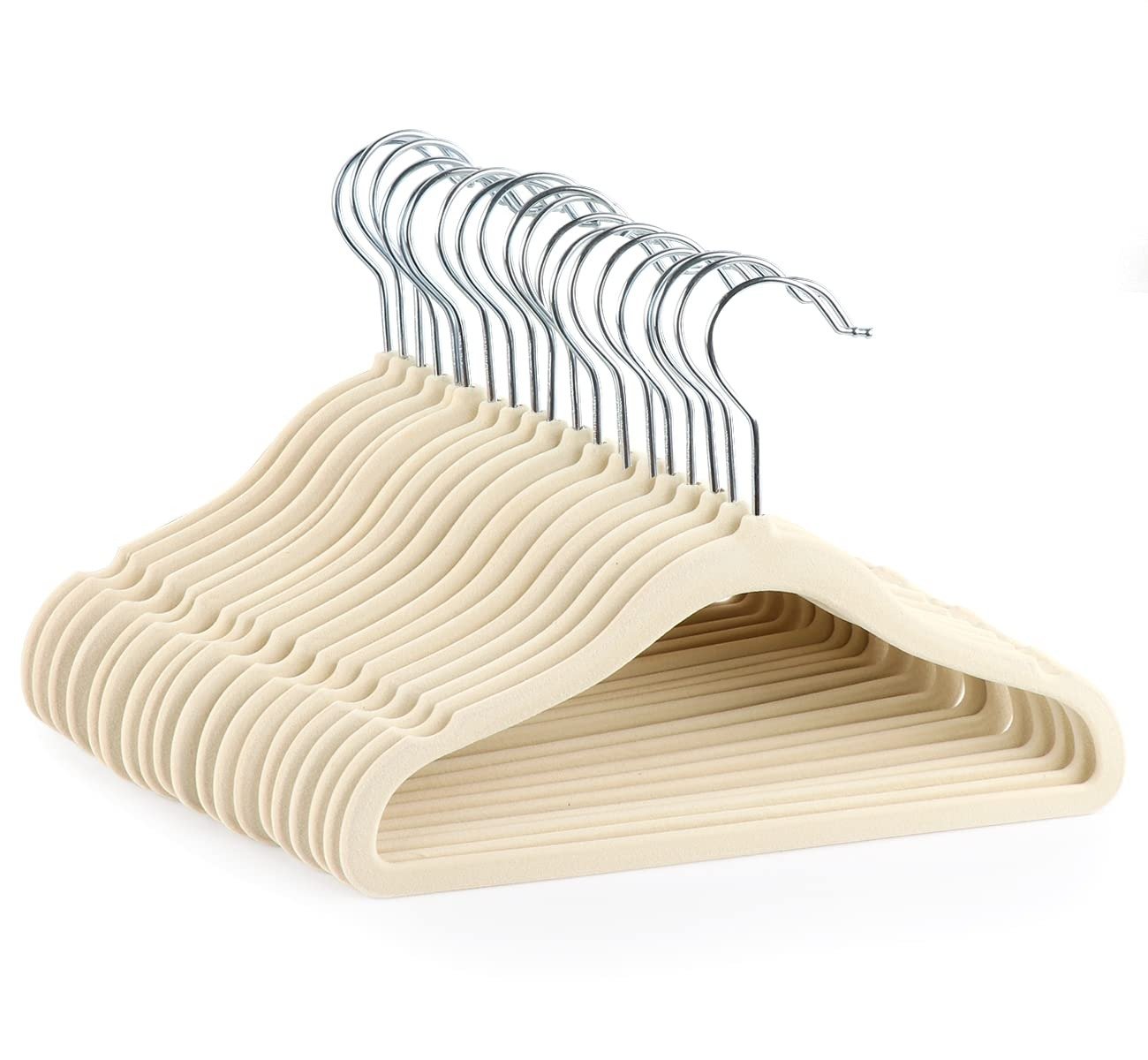
Two kids, one closet, zero peace. I have been there, and the fix is simpler than a second dresser. Give each child their own vertical column and treat the center line like a tiny border wall. With double rods in place, each kid gets a full column: low rod for their everyday clothes, and a share of the upper space for their extras. The visual split matters more than you would think. Kids respect boundaries they can see.
Here is how I set it up. Left side belongs to one kid, right side to the other. Each side gets its own set of bins on the shelf above, its own color of hanger or its own little name tag on the rod. When everything is mixed together, every cleanup turns into a sorting argument about whose stained tee is whose. When the closet is split, each kid owns their mess and their reset. My favorite trick is giving each kid one bin in a different muted tone, olive for one and rust for the other, so ownership is obvious at a glance without turning the closet into a rainbow explosion.
3. Trade Every Bulky Hanger for Slim Velvet Ones
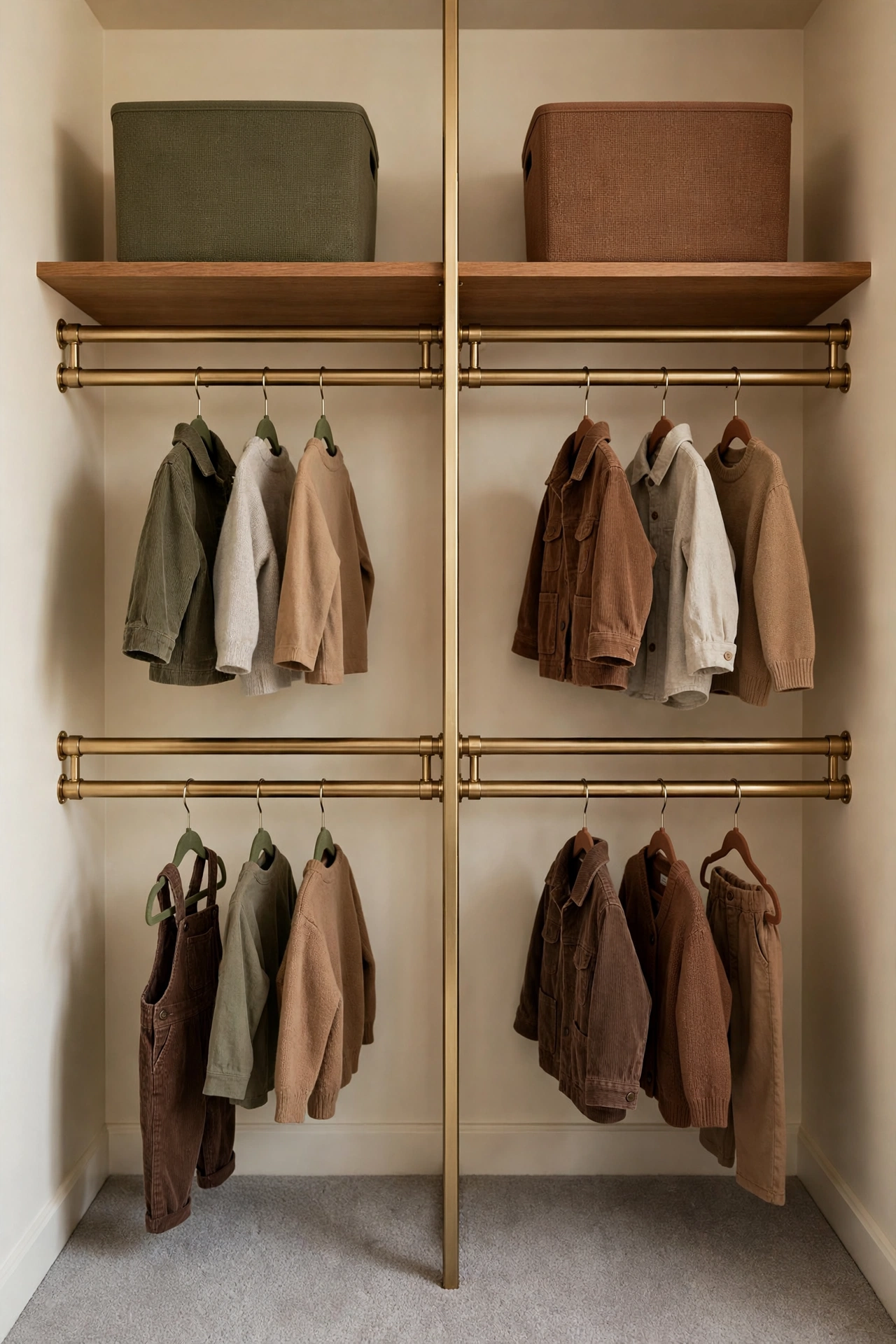
This is the cheapest transformation on the list and honestly one of the most satisfying. Those chunky plastic hangers from the department store and the wire ones from the dry cleaner are eating your closet alive. A slim velvet hanger is about as thick as two quarters stacked, and you can fit roughly fifty of them in the space where fifteen bulky ones used to live. In a small kids closet, that is not a minor upgrade. That is a new closet.
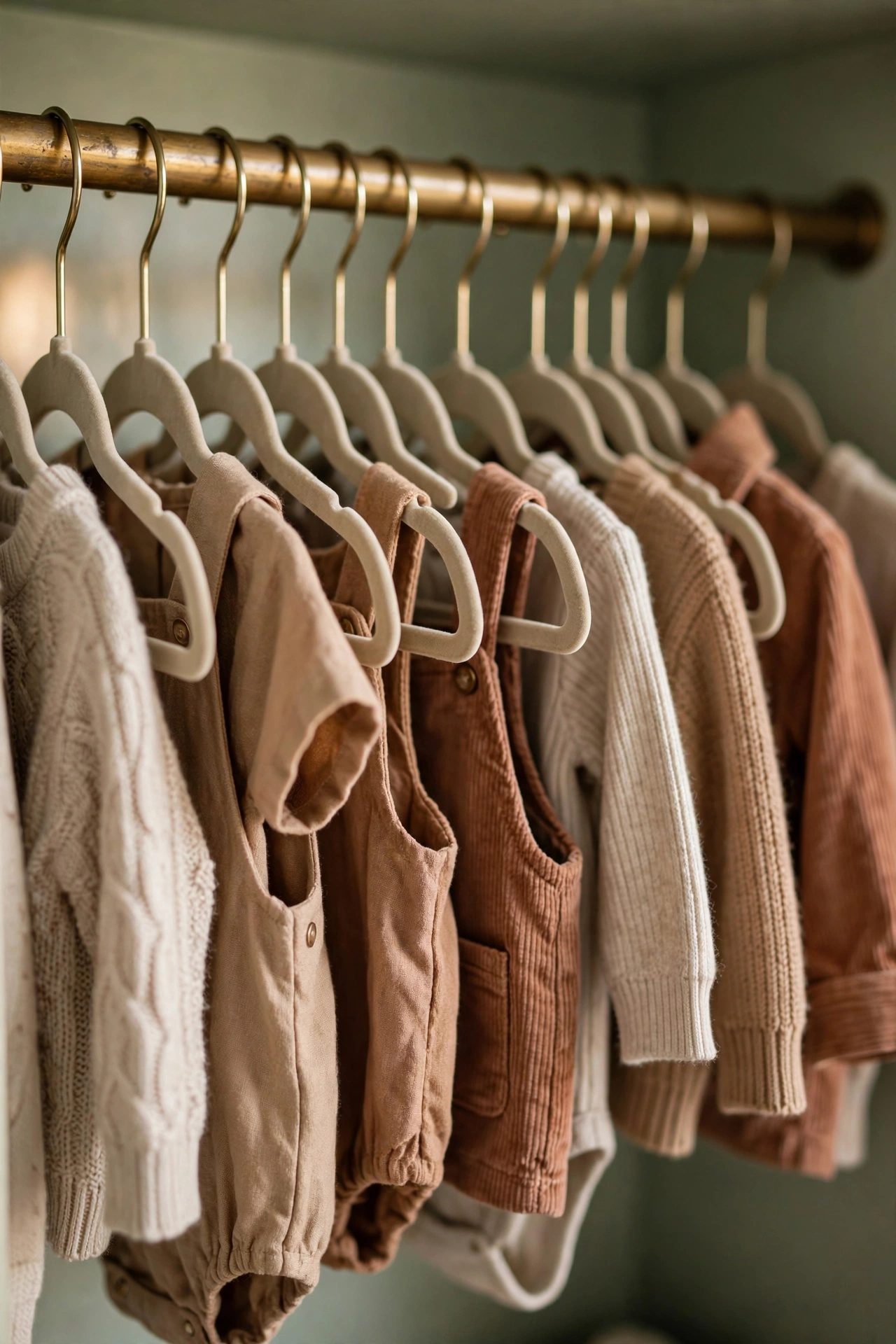
The velvet surface grips, which matters more for kids clothes than ours. Tiny slippery shirts actually stay put instead of sliding into a sad pile at the bottom of the closet. No more fishing. No more rehanging the same dress three times a week. And because they all match, the whole rod looks calm and intentional instead of chaotic. I buy them in beige or ivory so the hangers disappear and the clothes become the pretty part. One more thing: kid sized hangers, not adult ones. Adult hangers stretch out little shoulders and make every shirt look like it gave up.
4. Let the Original High Rod Handle the Grown Up Jobs
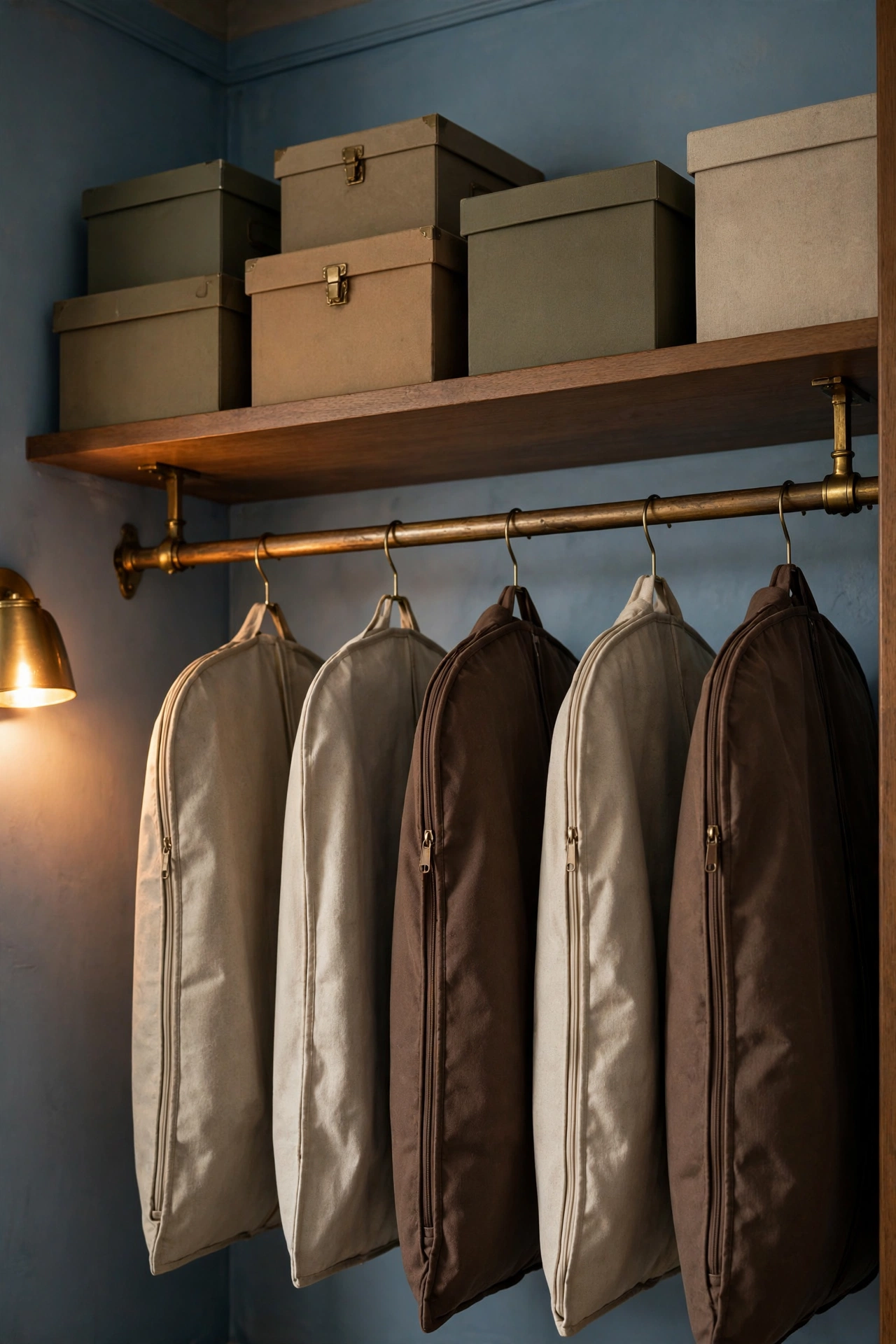
Here is the beautiful irony of the double rod trick: once the kids clothes move down low, the original rod up high becomes your secret storage attic. This is where the out of sight stuff lives, on purpose. Off season coats in garment bags. The bin of clothes they will grow into next spring. The memory box with the coming home outfit and the first Halloween costume. The suitcase you only touch twice a year.
The key word is intentional. The top rod is not a junk shelf where things go to be forgotten. It is the archive. Everything up there should be something you need maybe twice a year, packed neatly, and labeled so future you knows what it is without climbing up to check. I use simple canvas garment bags in oatmeal and chocolate brown so even the archive looks calm when the closet door is open. And keep a small step stool nearby, because the one time you need the winter coats in a hurry, you do not want to be dragging a dining chair across the house.
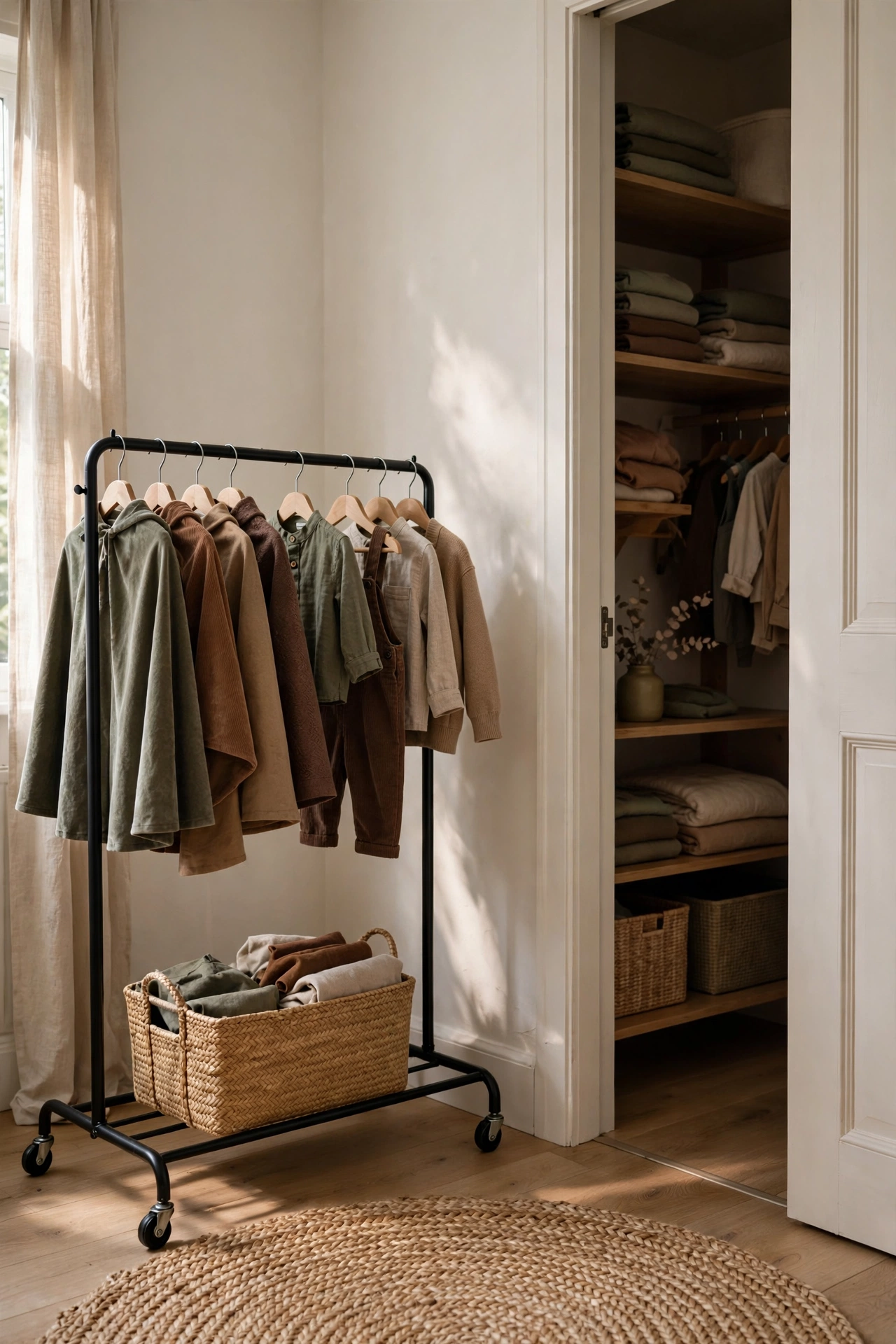
5. Park a Rolling Rack Nearby for the In Between Clothes
Every kids closet has a shadow population: the clothes that do not quite belong anywhere. The next size up that you scored on clearance. The dress up costumes that explode everywhere. The special occasion outfit for the wedding in June. Instead of cramming them into the closet and wrecking your system, give them their own little home on a rolling rack parked right beside the closet or in the corner of the room.
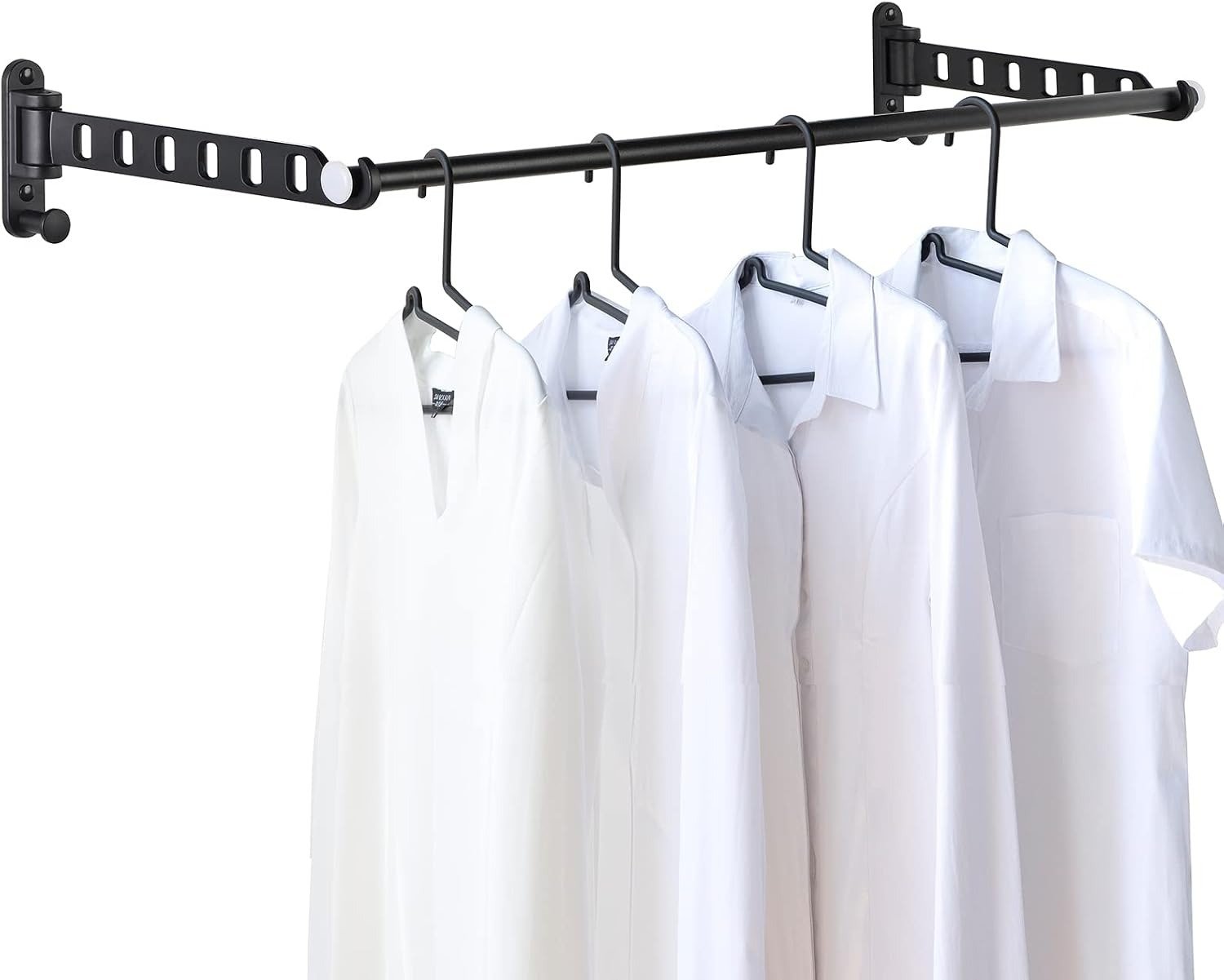
I love this because it keeps the main closet lean and honest. The closet holds what they wear now. The rack holds what is coming or what is special. When the seasons change, you just roll the rack over and do the swap in one go instead of excavating. Kids also adore having a rack of dress up clothes at their height. It turns getting dressed into play, and it keeps the capes and crowns out of the actual closet where they tangle around everything. Choose a simple rack in black or white, nothing fussy, and cap it at one rack. Two racks is just a closet with commitment issues.
Bins, Baskets, and Boxes Do the Heavy Lifting
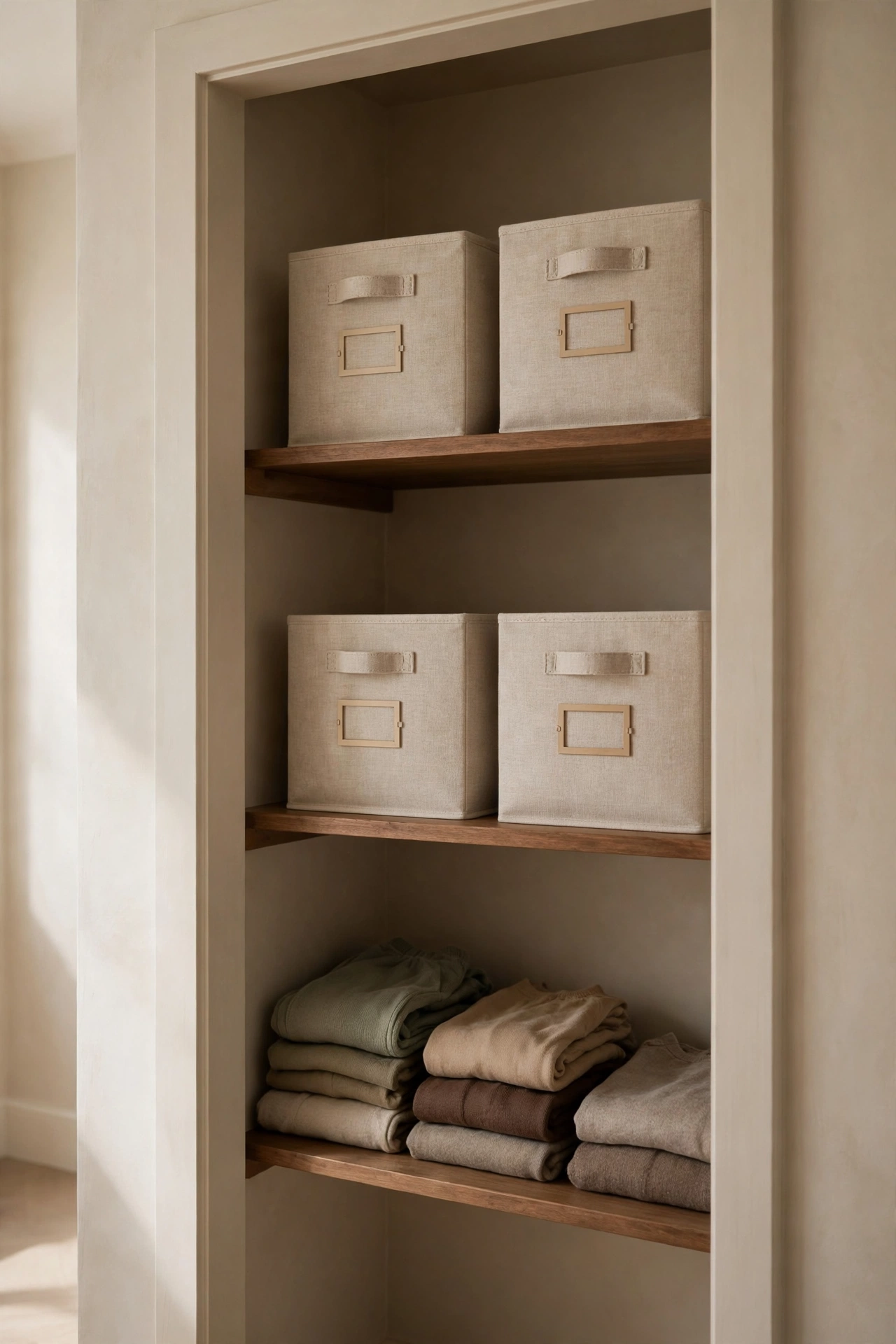
6. Line Every Shelf with Matching Fabric Bins
Rods handle the hanging clothes. Everything else, the folded pants, the pajamas, the random orphan socks, the beloved rock collection, needs a bin. And here is my strong opinion: the bins should all match. I know the mismatched rainbow of sale bins feels thrifty and fun, but in a small closet, visual noise reads as mess even when everything is technically put away. A row of matching fabric bins in oatmeal or camel instantly makes the whole closet look calm, and calm closets stay tidy longer because nobody wants to be the one who wrecks the pretty.
Give every bin one job and one job only. Pajamas. Play pants. Swim stuff. Hats and mittens. When a bin has a single clear category, even a four year old can put things away correctly, and you can see at a glance what is running low. The fabric cubes with handles are perfect because little hands can pull them down like drawers, dig around, and shove them back. They are soft, so no bonked heads, and they fold flat if your system ever changes. Line them up on the shelf above the rods and let the uniformity do the visual heavy lifting for you.
7. Give Socks and Undies Their Own Clear Drawers
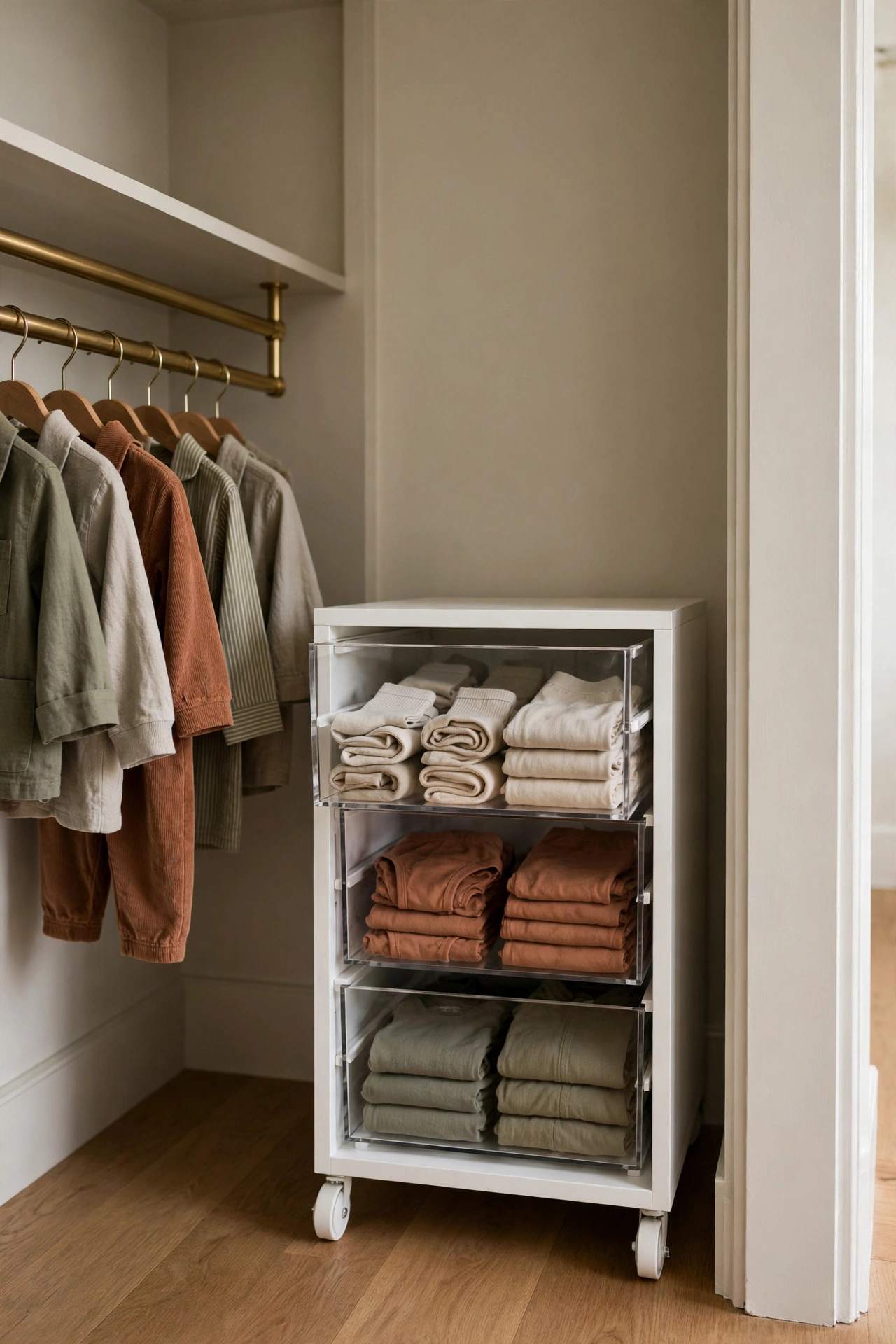
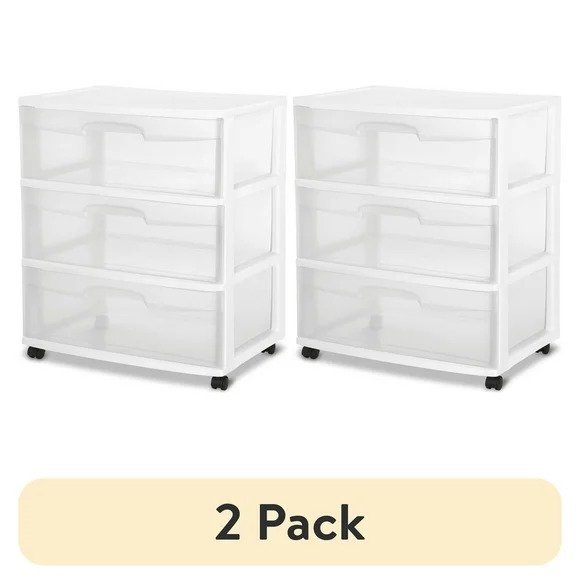
Socks and underwear are the gremlins of the kids closet. They are small, they multiply, and they vanish into every corner. Folding them into a bin feels virtuous for about three days, and then the bin becomes a textile swamp. The fix is a small set of clear drawers, either a narrow rolling cart tucked inside the closet or stacked right beside it, with one drawer per category. Clear matters. When kids can see the socks, they grab socks. When they cannot, they grab you and ask where the socks are.
I keep it dead simple: one drawer for socks, one for underwear, one for pajamas or swim, depending on the season. No fancy folding required. Just sort of corralled. The drawers pull out all the way so little hands can see everything at once, which means no more dumping the whole drawer to find the dinosaur socks. And because the cart is on wheels, you can roll it to the laundry room on wash day and roll it back. That one detail has saved me more trips than I can count.
8. Hang a Fabric Shelf for Everything You Fold
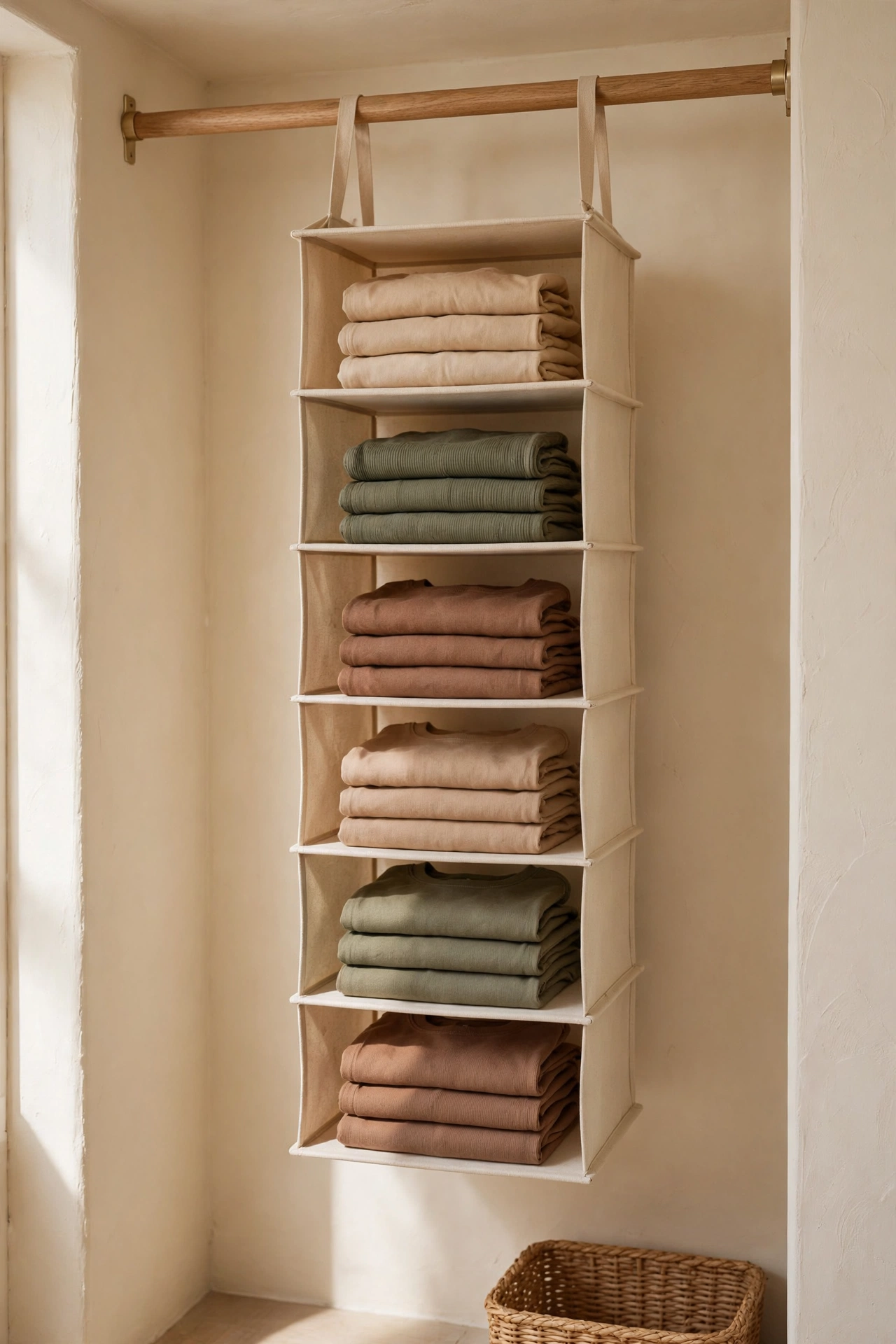
Not everything wants a hanger and not everything wants a bin. Folded tees, jeans, leggings, and sweaters do best on a hanging fabric shelf that hooks right onto the closet rod. It turns dead air into six neat cubbies, which in a small closet is basically finding free real estate. Each cubby gets one category, folded so the stack stays short enough to see what is on the bottom.
The magic here is visibility. A dresser drawer hides the bottom three shirts. A hanging shelf cubby shows the whole short stack. Kids can see every option, which means fewer drawers dumped in a frantic search for the shirt with the truck on it. I put the most reached for stuff in the middle cubbies at kid height and the rarely touched stuff, like the good sweater grandma bought, up top. The fabric ones are light and soft, so they do not add visual weight to a small closet the way a wooden shelf would, and they collapse flat when you reconfigure.
9. Keep One Big Floor Basket for Beautiful Chaos
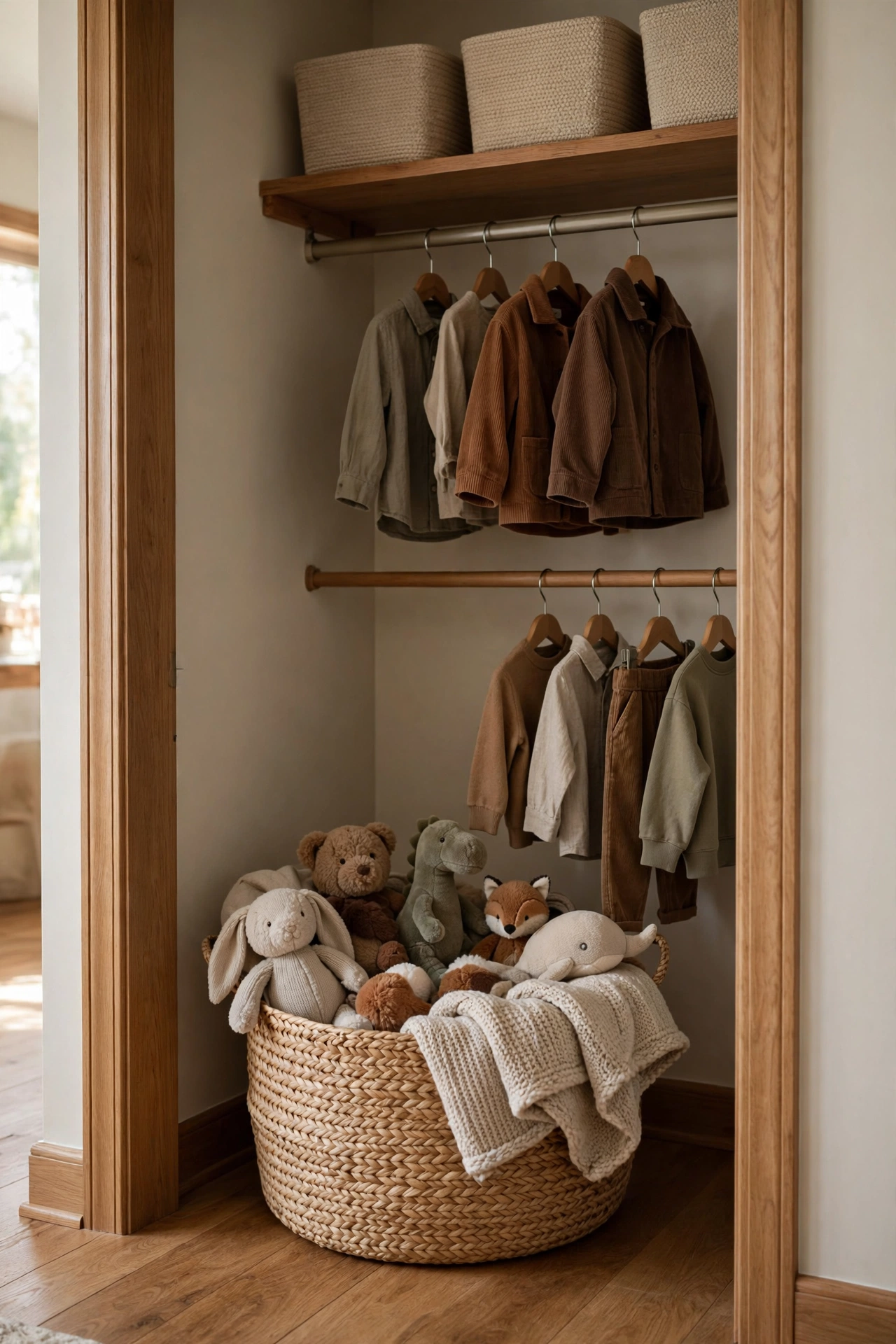
Here is my permission slip: not everything in a kids closet needs to be perfectly organized. Stuffed animals, dress up overflow, the beloved blanket that cannot be folded, they all need somewhere to land, and a single big beautiful basket on the closet floor is the answer. It corrals the chaos without pretending the chaos does not exist. Toss it in, done. A four year old can manage a basket. A tired mama at 9pm can definitely manage a basket.
Choose something sturdy and good looking, because this basket will be the most visible thing in the closet. I love a big woven basket in camel or natural seagrass tones. It adds warmth and texture, and it looks intentional instead of like a laundry basket that gave up. One rule keeps it working: one in, one out. When the basket overflows, something has to leave before anything new moves in. It is the same idea behind my 19 toy storage ideas that actually look good post. Contain the category, and the category stops taking over the house.
10. Turn the Back of the Door into a Shoe Wall
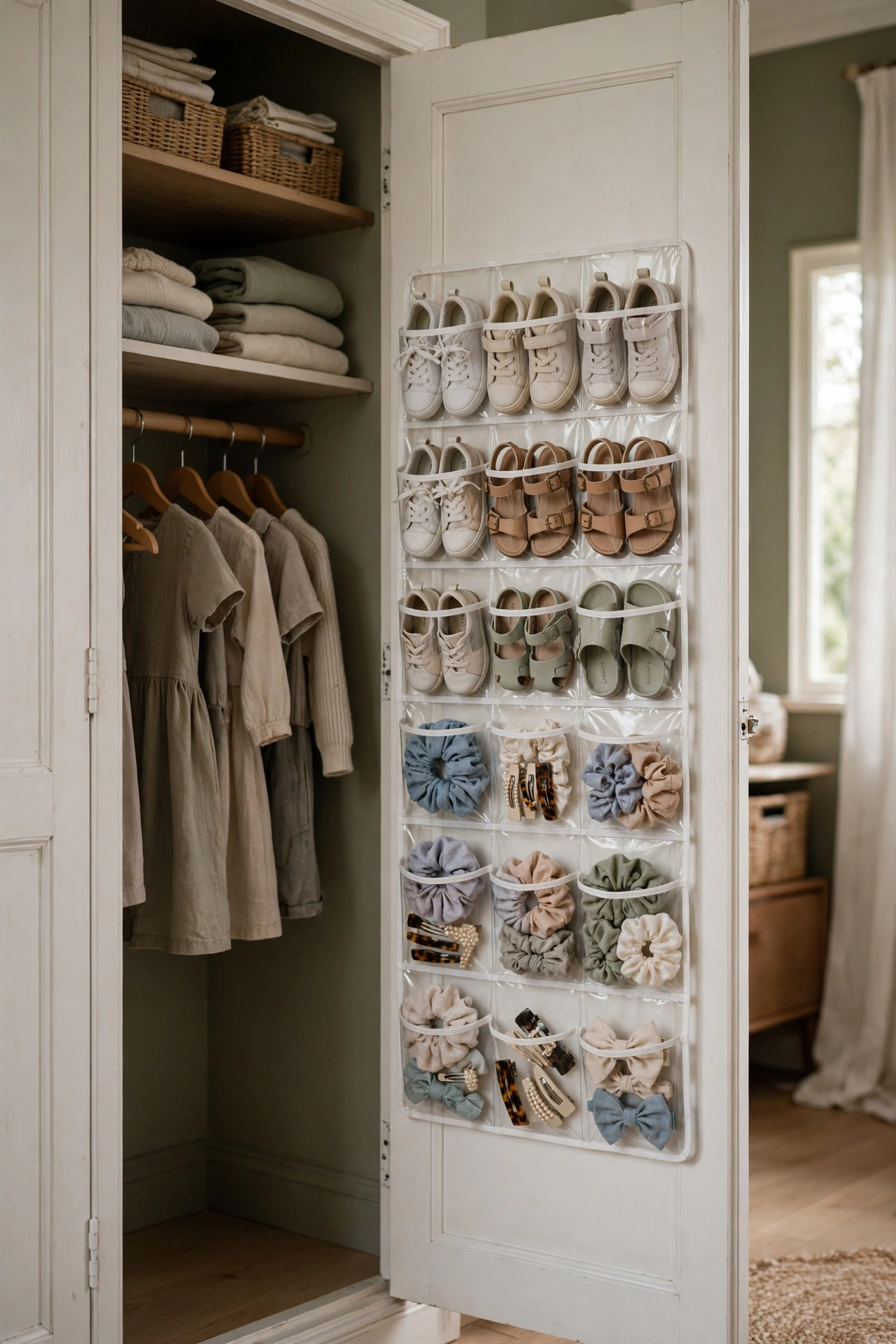
The back of the closet door is the most underused square footage in the entire house, and kids shoes are the perfect tenant. A clear over the door organizer with pockets turns that dead space into a shoe wall where every pair is visible at a glance. No more digging through a dark pile. No more wearing two different shoes to school because the match was hiding. Each pocket holds one pair, the clear fronts mean kids can find what they want without dumping anything, and the whole thing hangs on hooks with zero tools.
I use the lower rows for the everyday shoes, sneakers, sandals, rain boots if they fit, and the upper rows for the occasionals: dress shoes, cleats, the water shoes. Little kids can reach the bottom three rows easily, which covers ninety percent of daily life. The pockets also moonlight beautifully as holders for sunglasses, hair bows, swim goggles, and all those tiny accessories that otherwise colonize every flat surface. One organizer, about twenty small problems solved.
Label It Like You Mean It
11. Label Every Bin with Words and Pictures
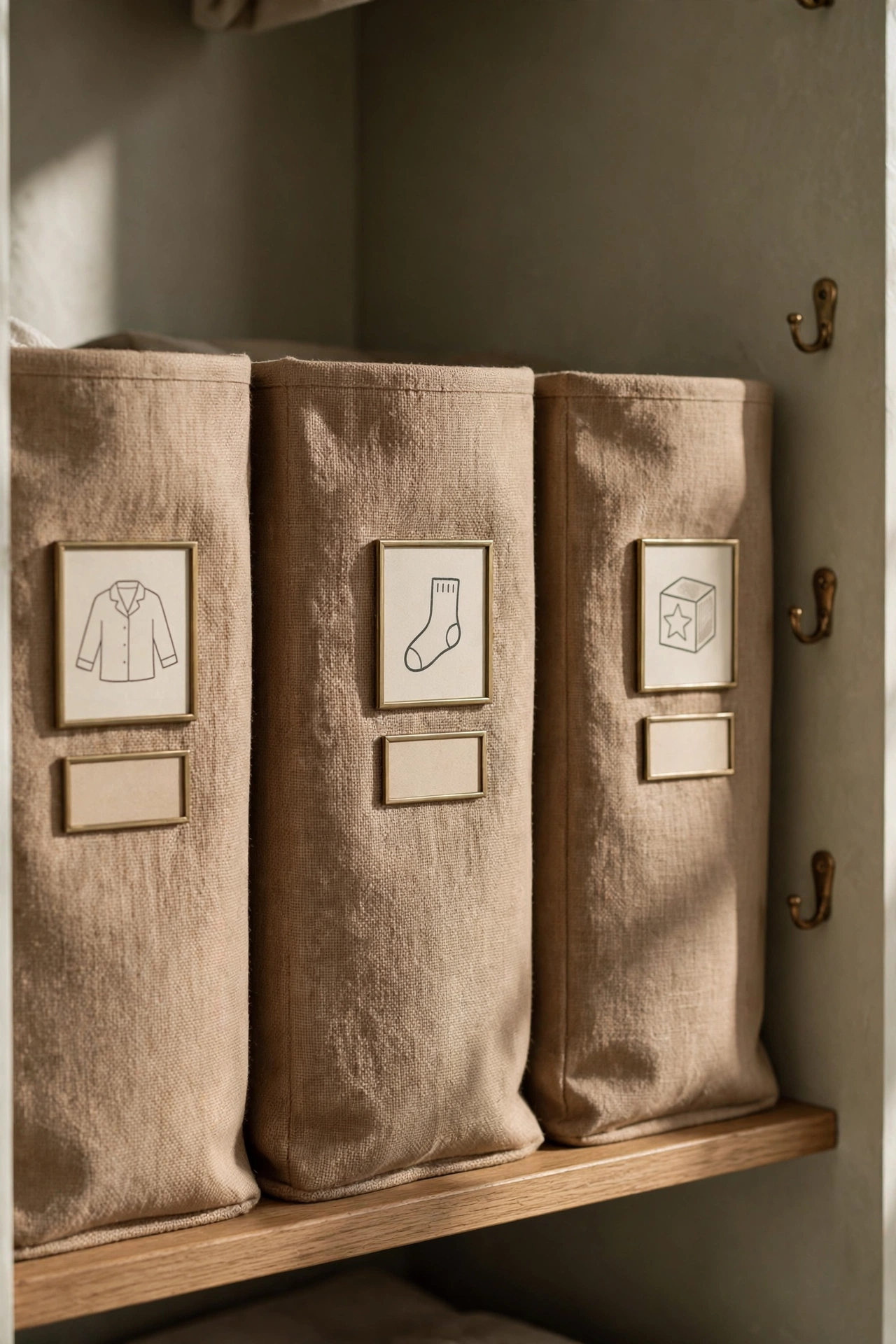
Remember the first principle: everything needs a home, and every home needs a label. A bin without a label is just a box where things go to be lost. And here is the part that matters for kids: label with pictures as well as words. Pre readers cannot decode the word pajamas, but they absolutely recognize a photo of pajamas. Print a little picture, add the word underneath for the grown ups and the emerging readers, and stick it on the front of every bin.
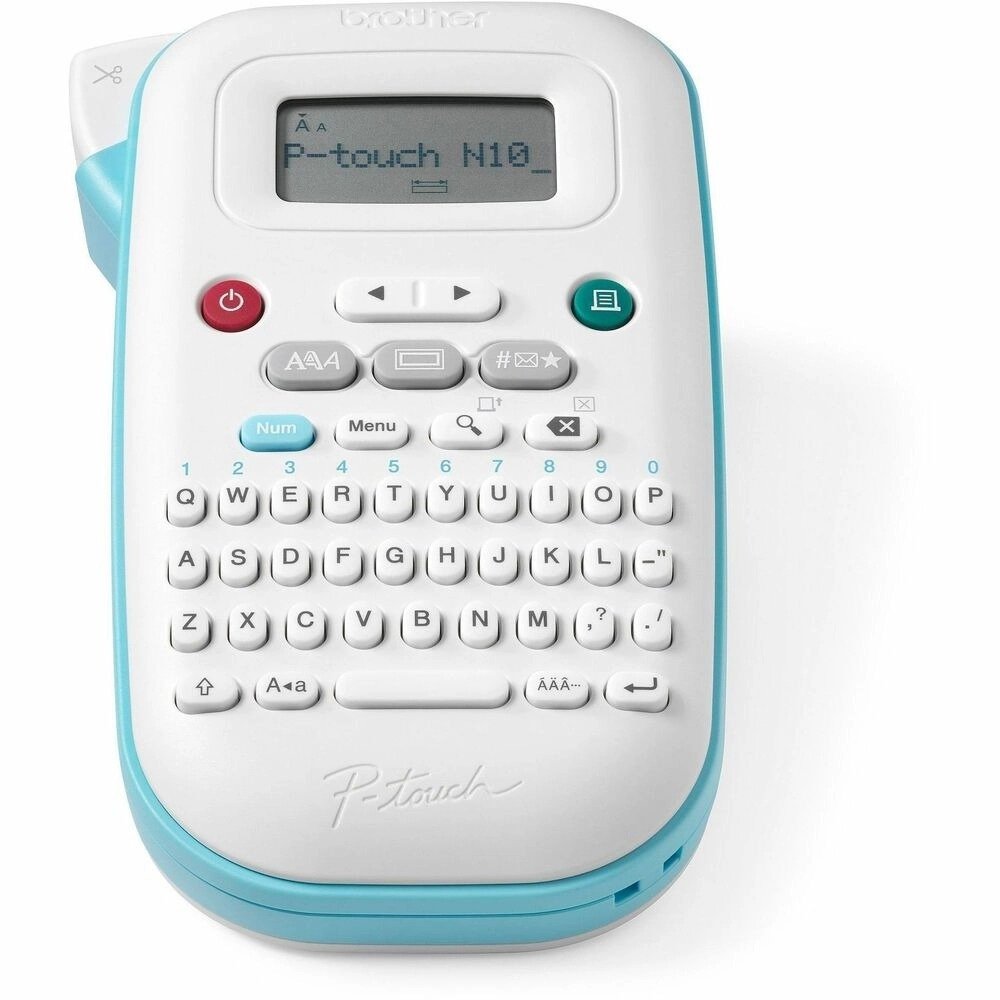
I am a little obsessed with this because it is the difference between a system that only works when mama is running it and a system that runs itself. When the label shows exactly what belongs inside, kids put things away correctly without being asked, grandparents can help without interrogating you, and the babysitter does not text you a photo of a bin asking where it goes. A handheld label maker makes the words crisp and uniform, which keeps the whole closet looking intentional, and the pictures can be simple printouts or even drawings your kid makes. Let them draw the labels. A hand drawn sock on the sock bin is pure charm and they will guard that bin with their life.
12. Run a Label Blitz Every Season Change
Labels are not tattoos. They are sticky notes with commitment, and they need refreshing. Twice a year, when you swap the seasonal clothes, sit down with your label maker and do a full blitz. Peel off the labels that no longer fit, print fresh ones for the new categories, and update anything the kids have outgrown. I do ours with hot cocoa on a gray Sunday afternoon and it takes about twenty minutes per closet. It feels less like a chore and more like a little reset ritual.
This is also your built in audit. When you peel the swim label off a bin in October, you naturally notice the three swimsuits that are too small and the goggles with the snapped strap. Out they go. When you add the label for the new size up bin, you notice what you actually need to buy before the season hits. The label blitz keeps the system honest. Without it, labels slowly drift away from reality, and a system nobody trusts is a system nobody follows. Tie it to something you already do, like the seasonal clothing swap from my laundry system that actually works for busy moms routine, and it will actually happen.
13. Tag Your Rods: School on the Left, Play on the Right
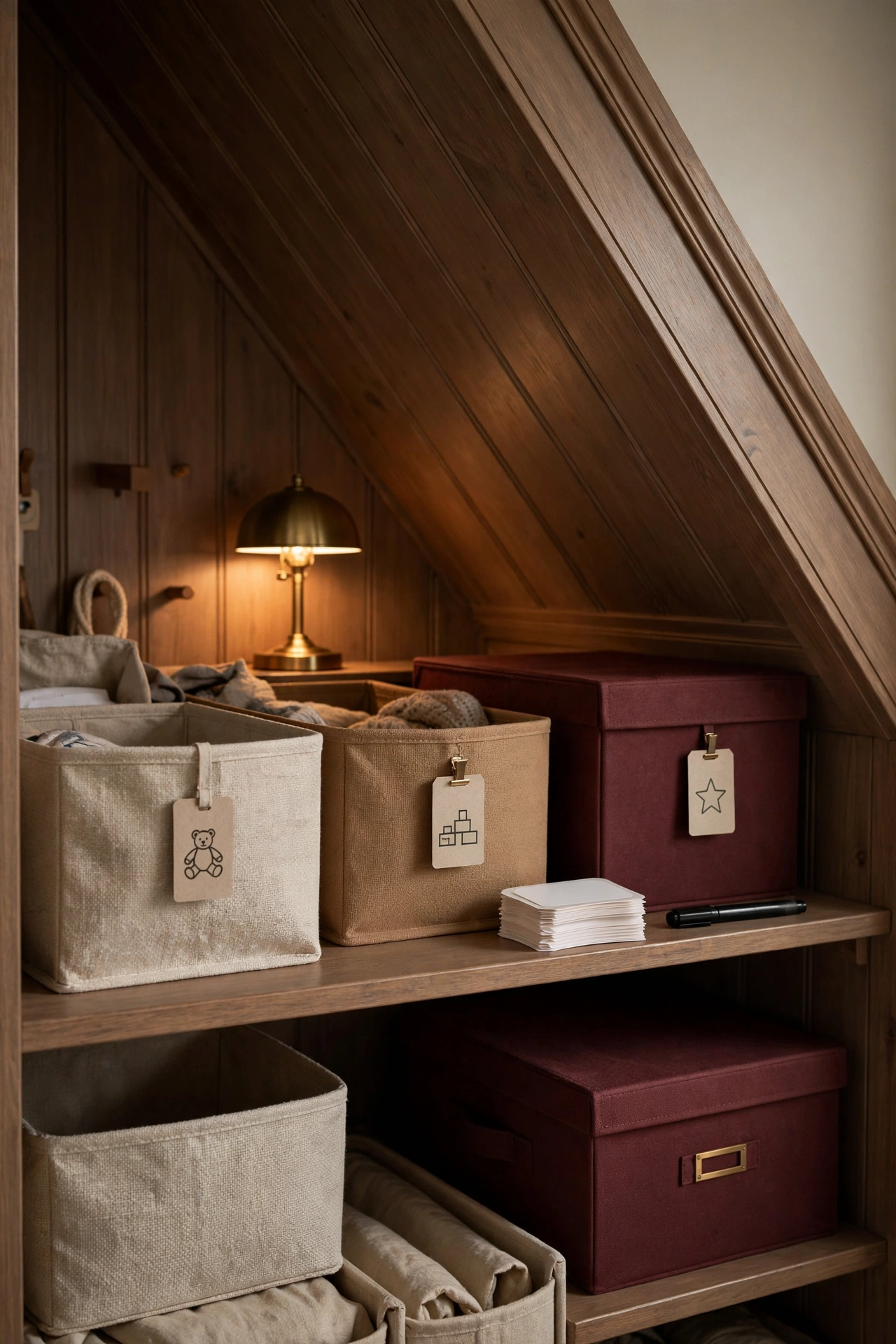
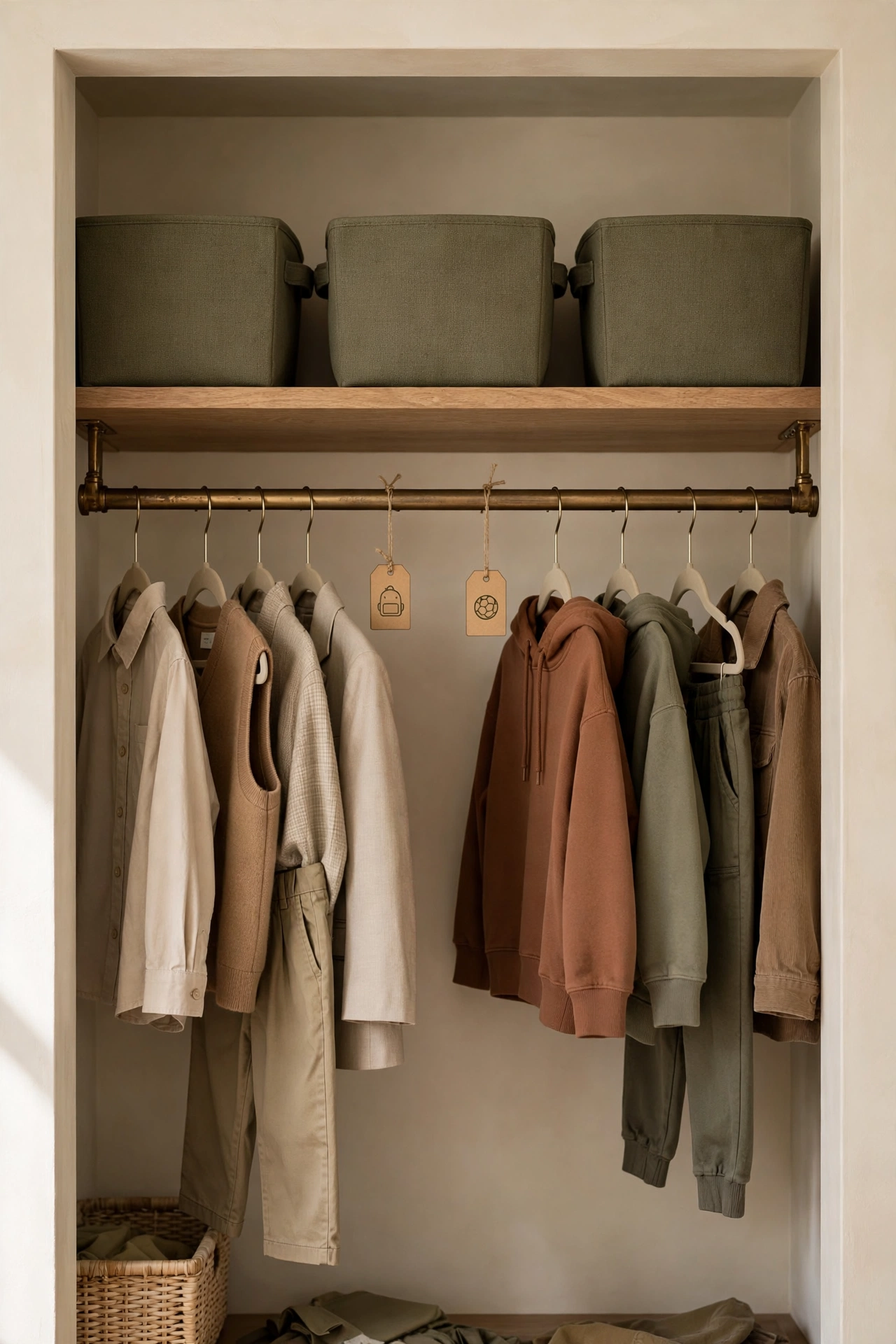
Labels are not just for bins. The rods deserve them too. A simple tag on each section of the rod, school clothes on the left, play clothes on the right, turns getting dressed into a matching game instead of a negotiation. Kids as young as three can follow a two zone system, especially when the tags have pictures. A little backpack icon for school, a ball for play. Done.
This one small move eliminates the most common morning argument in my house, which used to be the good shirt worn to the muddy playground problem. When the zones are labeled, the rule enforces itself. Play clothes live in the play zone. If it is a school day, we shop the school zone. No debates, no hurt feelings, no mama as the bad guy. You can use clip on rod dividers, hanging tags with ribbon, or even just a labeled hanger at the start of each section. Whatever you choose, keep it sturdy, because little hands will grab these tags approximately four thousand times.
14. Use Removable Labels on Anything That Might Change
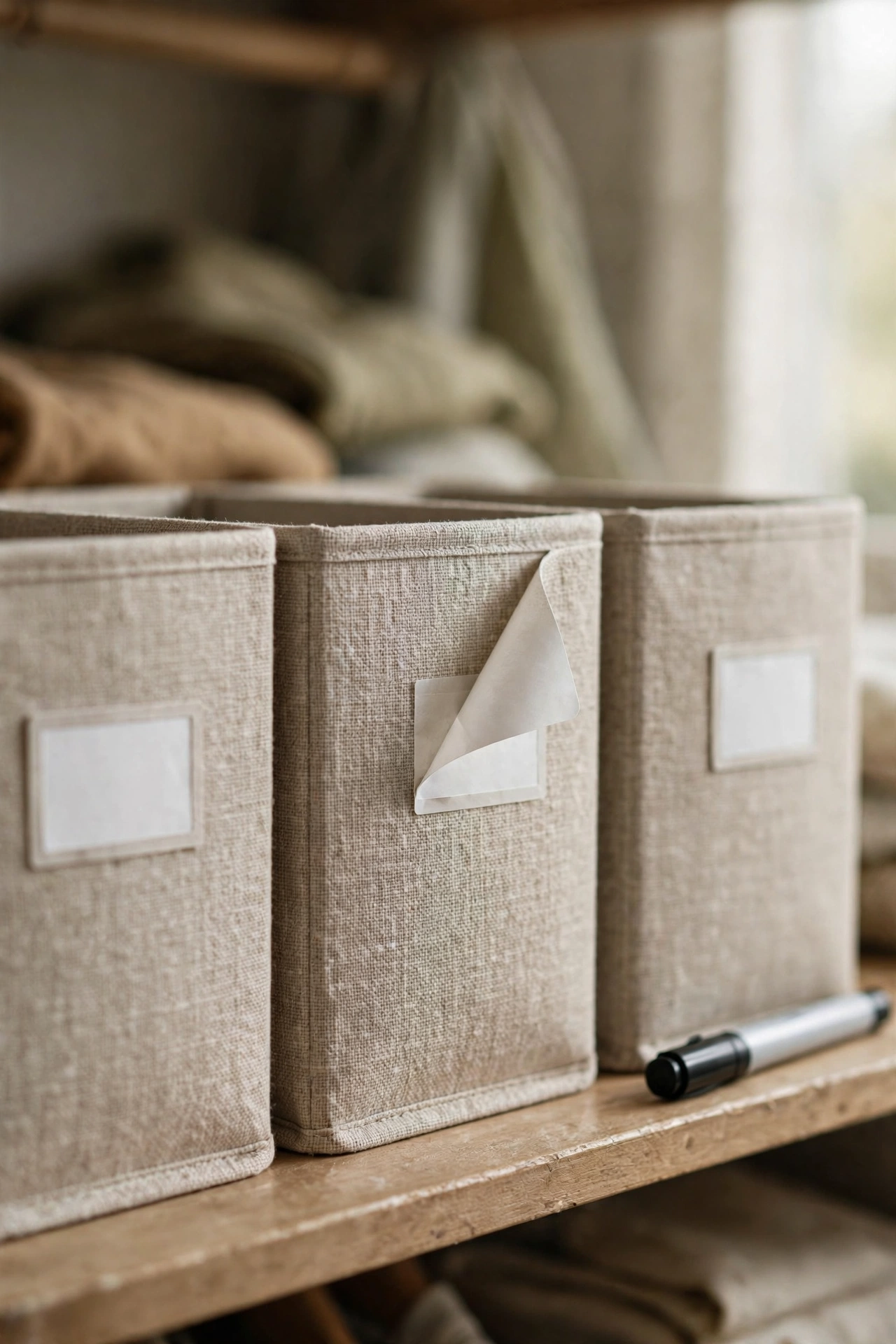
Here is a truth about kids closets: everything changes. Sizes change, seasons change, obsessions change. The dinosaur bin becomes the space bin becomes the bin of mysterious rocks. If your labels are permanent, you will either live with wrong labels or spend your life scraping sticky residue off bins. Removable labels solve this completely. They stick well, peel clean, and let your system evolve without a trace.
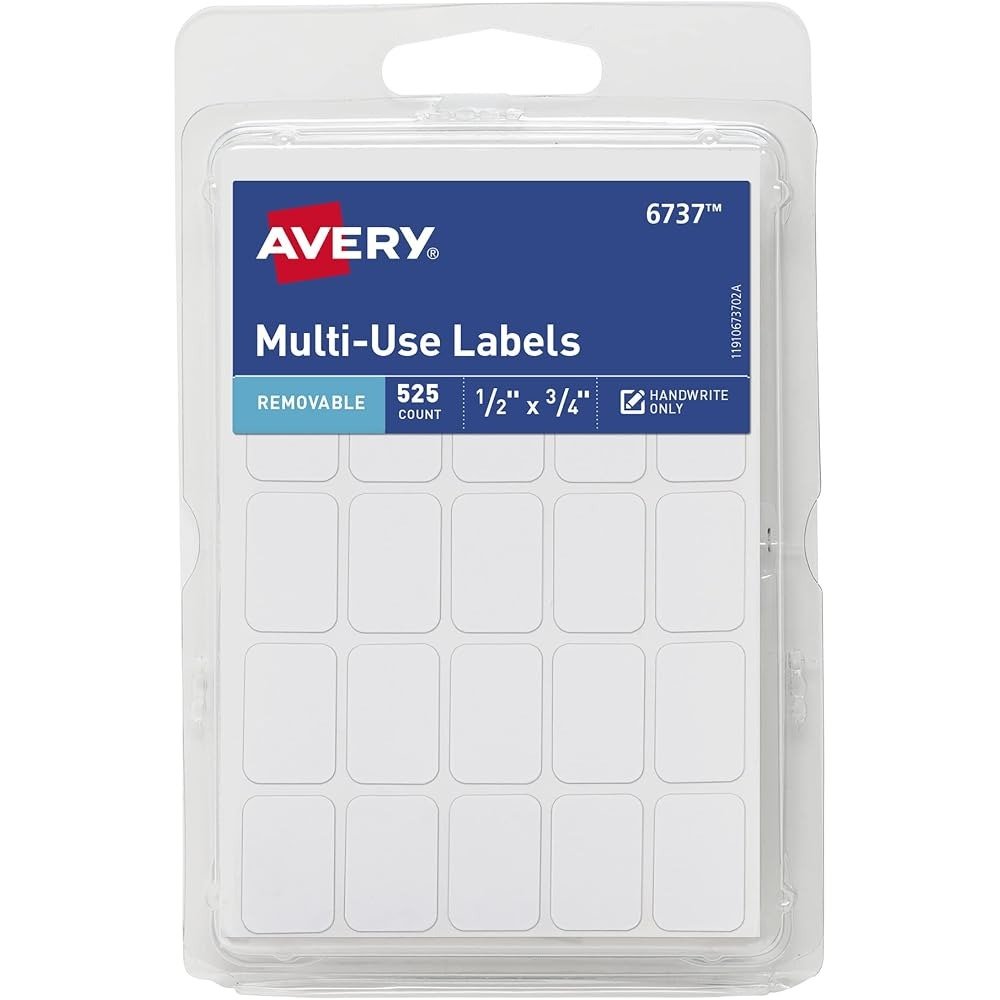
I keep a big pack of small removable labels in the closet and treat them like the rough draft of the system. New category? Removable label. Testing whether the hat bin should live on the middle shelf? Removable label. Once a category has survived a full season and earned its place, then it can graduate to a fancier permanent label if you want. But honestly, most of mine stay removable forever, because forever is a long time in a kids closet. The labels are promises you can update, and that flexibility is what keeps the whole system alive instead of frozen.
Small Systems That Keep It That Way
15. Hang Tomorrow’s Outfit on a Hook at Kid Height
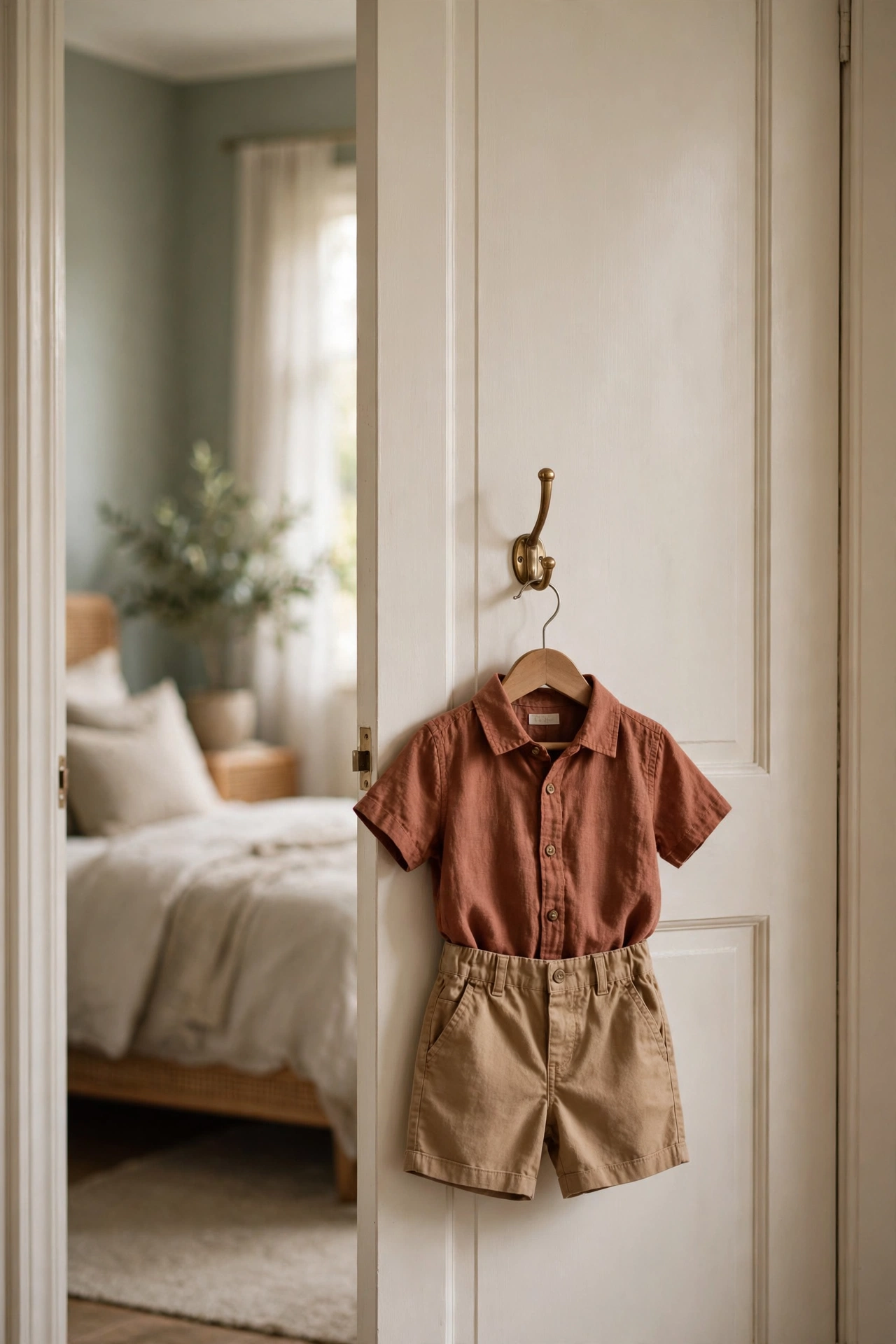
All the rods and bins in the world cannot fix decision fatigue. A kid staring at thirty options at 7am will either melt down or choose the Halloween costume. The fix is embarrassingly simple: one hook, at kid height, inside the closet door, holding tomorrow’s outfit. Pick it tonight, hang it up, and the morning becomes grab and go instead of browse and battle.
I mounted a single brass hook on the inside of each closet door and it might be my favorite five dollar upgrade in the whole house. Brass, because it is pretty and sturdy and it makes the inside of the door feel finished instead of forgotten. The night before, we pick the full outfit together, shoes and all, and it goes on the hook. My kid gets the fun of choosing without the pressure of choosing under a time crunch, and I get a morning where getting dressed takes four minutes. On school nights we do it right after teeth brushing so it becomes part of the wind down, not one more thing to remember.
16. Keep a Donate Bag Living in the Closet Full Time
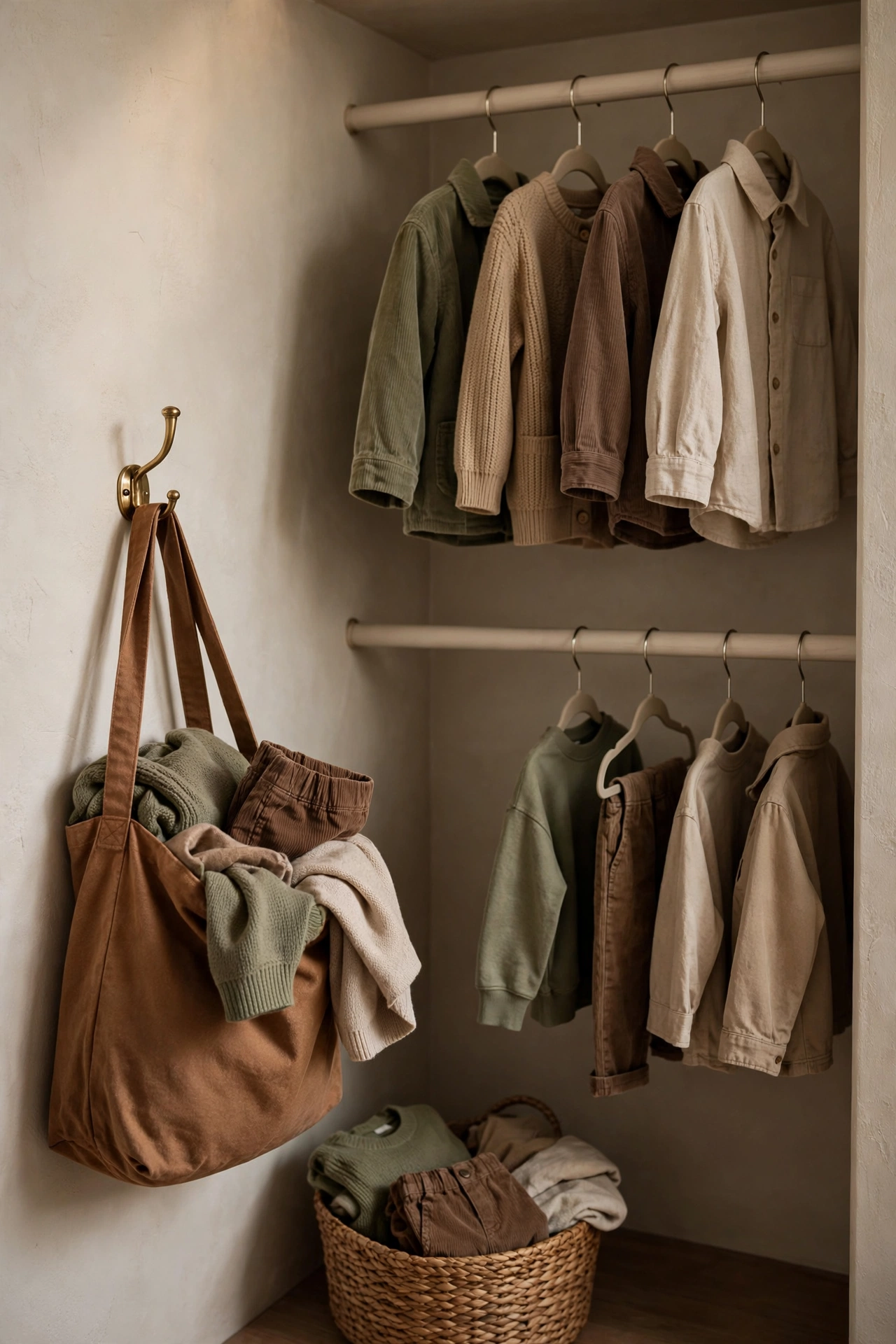
Clothes get outgrown constantly, and if there is nowhere for them to go, they pile up on the closet floor in a sad purgatory. The fix is a donate bag that lives in the closet permanently, right there in plain sight. The moment something is too small, too stained for hand me downs, or simply never worn, it goes straight in the bag. No sorting pile. No I will deal with it later. Straight in.
This is my second principle in action: when in doubt, take it out. A kids closet only stays organized if the outflow matches the inflow, and kids outgrow things faster than any of us expect. I use a simple canvas tote in olive or rust, hung on a hook or tucked in the corner, and when it is full, it goes straight to the car. Not the hallway. The car. The hallway is where donate bags go to become permanent furniture. If you want the full philosophy behind keeping kid stuff from taking over, my post on how to stop the toy flood without the mom guilt covers the same outflow idea for toys.
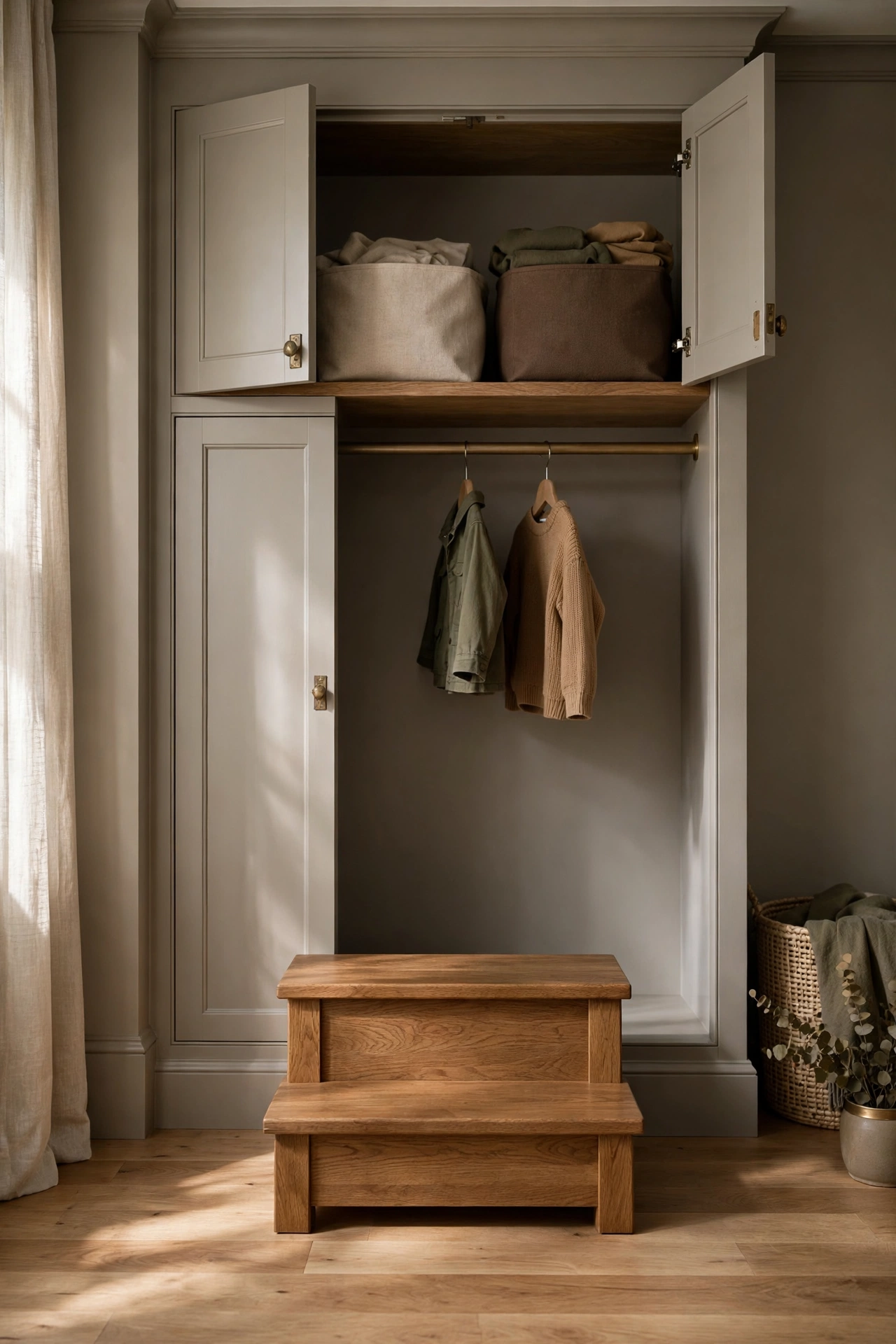
17. Give Them a Sturdy Step Stool and Real Access
Remember the third principle: store things where they get used, at the height of the hands that reach for them. But some things have to live up high, and that is where a step stool earns its keep. A sturdy little stool that lives in the closet gives your kid real access to the whole space, not just the low rod. Top shelf bins, the upper cubbies, the good flashlight, all suddenly reachable without yelling for mama.
Choose one that is wide, stable, and rated for wiggly kids, not a rickety folding thing that slides. I like the solid two step stools with a handle, in a wood tone or a muted color that does not scream plastic. Teach the one rule, which is that the stool stays in the closet and feet stay on the steps, and then let them use it. The independence payoff is enormous. Kids who can reach their own stuff stop asking you for every little thing, and every time they put something away on the top shelf by themselves, their little chest puffs up with pride. That is the whole point of all of this.
18. File Fold Tees So Kids Can See Every Option
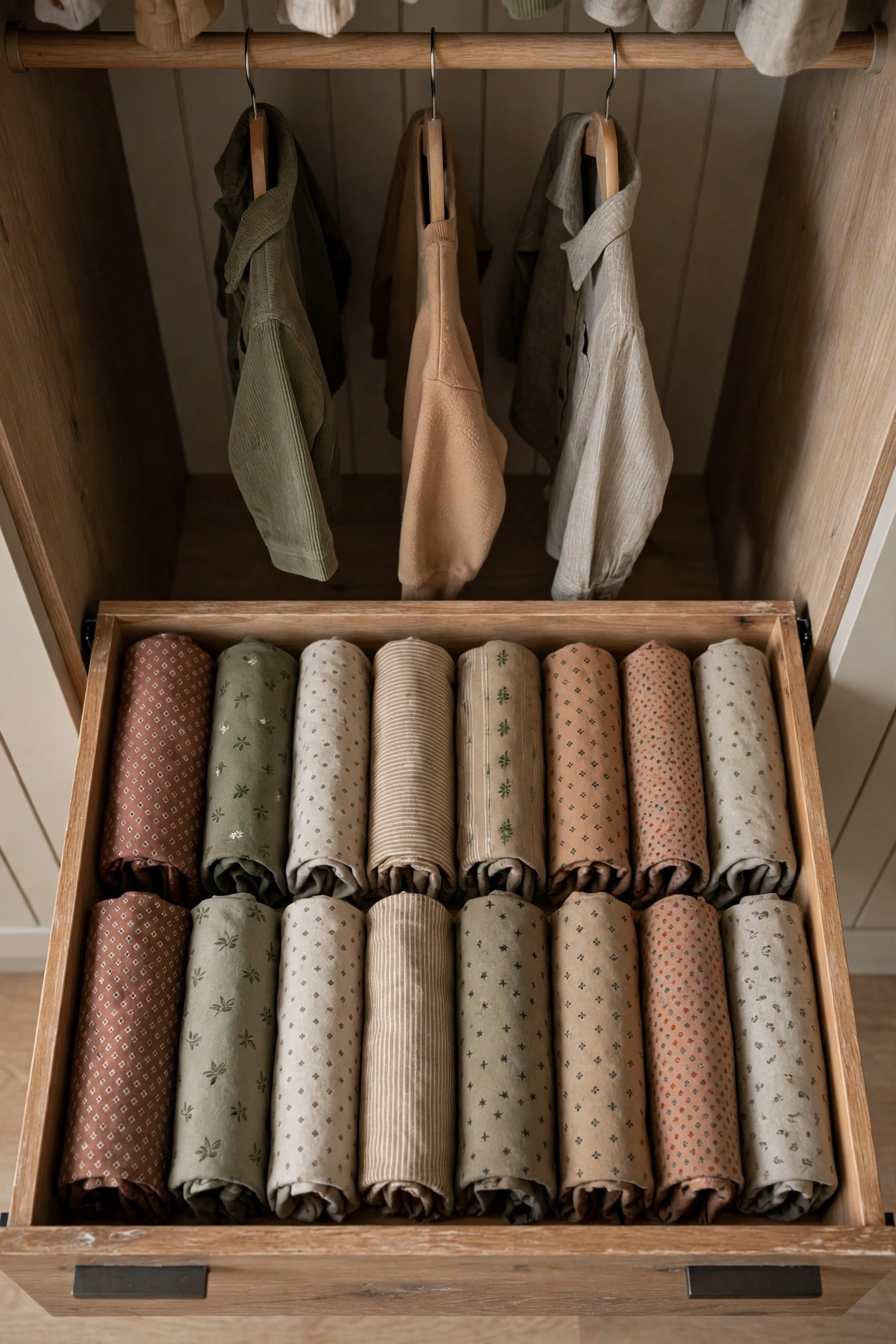
Here is a hill I will die on: traditional stacking does not work for kids. You fold five tees into a neat pile, the kid wants the one on the bottom, and the whole pile explodes. File folding fixes this forever. Instead of stacking flat, you fold each item into a little rectangle and stand it upright, side by side, like files in a drawer. Every single shirt is visible at once. Nothing hides. Nothing gets yanked out from the bottom.
This works in drawers, in bins, and in those hanging shelf cubbies from idea eight. It takes a little practice, but once your hands learn the fold, it is actually faster than regular folding, and it stays neat ten times longer because kids can see what they want and pull just that one thing. I file fold all the tees, the leggings, the pajama sets, even the little jeans. The drawer looks like a tiny clothing store, and kids treat it like one, browsing instead of excavating. It is the third principle made visible: if they can see it, they will use it, and they will even put it back.
19. Run a Ten Minute Sunday Reset Together
Every system needs maintenance, and the best maintenance is the one your kids will actually do. Ours is the ten minute Sunday reset. One timer, one upbeat song per kid, and everybody resets their own closet before the week starts. Hang up the strays, toss the dirty clothes in the hamper, put the bins back where they belong, check the donate bag. Ten minutes. That is the whole thing.
The trick is making it a rhythm, not a punishment. We do it Sunday evening with music loud and everybody moving. No lectures about mess. No mama redoing it after bedtime, which I absolutely used to do and which taught my kids exactly nothing. If you want help getting kids to buy into tidying without the daily battle, my post on how to get your kids to tidy up without nagging has the full playbook. And once the reset is done, the week starts with every closet calm, every outfit findable, and Monday morning feeling just a little bit less like a fire drill.
More Favorites
This post contains affiliate links. If you buy through them, I may earn a small commission at no extra cost to you.
A few more favorites from the ideas above:


Here is what I want you to take away from all nineteen ideas. You do not need a bigger closet. You need a second rod, a row of bins, and labels on everything, in that order. Start with the rod this weekend. Add the bins next payday. Do the labels with cocoa on a gray afternoon. Small steps, same calm palette, and one ten minute reset a week to keep it all honest.
Your turn, mama. Pick the one idea that made you think, oh, that would actually work in our house, and do just that one. The rest will follow, I promise. And when your kid gets dressed all by themselves on a Tuesday morning without a single question, come back and tell me. Those are my favorite stories.
With love and light
Get Fresh Home Ideas Every Week
Seasonal decor ideas, organizing tips, and cozy home inspiration, straight to your inbox.
More Organization Ideas You Will Love
Keep browsing for more seasonal inspiration: