

There is a moment I wait for all year. It is the first evening the tree is up, when the lamps are low and the tree lights take over the room. The whole house goes quiet and golden. Supper dishes are still on the counter and nobody cares, because the corner of the living room is glowing and it finally feels like Christmas. That feeling is what a tree is actually for. The tree is not a purchase. It is the mood of your December, standing in the corner, doing its job every single night.
I have bought all three kinds over the years, and I have loved and regretted things about every one of them. I have hauled real firs home in the snow and vacuumed needles out of the rug until Easter. I have stored a faux tree so badly that it came out the next year looking tired and squashed. And I have stood in a store aisle covered in white flocking dust, sneezing, wondering what I had just agreed to. So this guide is not a lecture. It is everything I wish someone had told me before I spent the money, in the order I would think it through now.
A few principles run through everything below, and they have never steered me wrong. Buy for the evening glow, not the daylight photo. Remember that the tree is the backdrop, not the whole show. Know that fullness comes from shaping, not from numbers on a box. And trust that warm light forgives almost everything. This year the look I keep coming back to is calm and layered: oversized velvet bows, deep jewel tones, warm cluster lights, and room for the branches to breathe. If you want to see how a tree like that anchors a whole room, I styled one in my elegant Christmas living room ideas and it is still my favorite starting point.
Love these ideas? Get more every week.
Join the newsletter for seasonal decor and cozy home inspiration.
Start With Your Room and Your Real Life
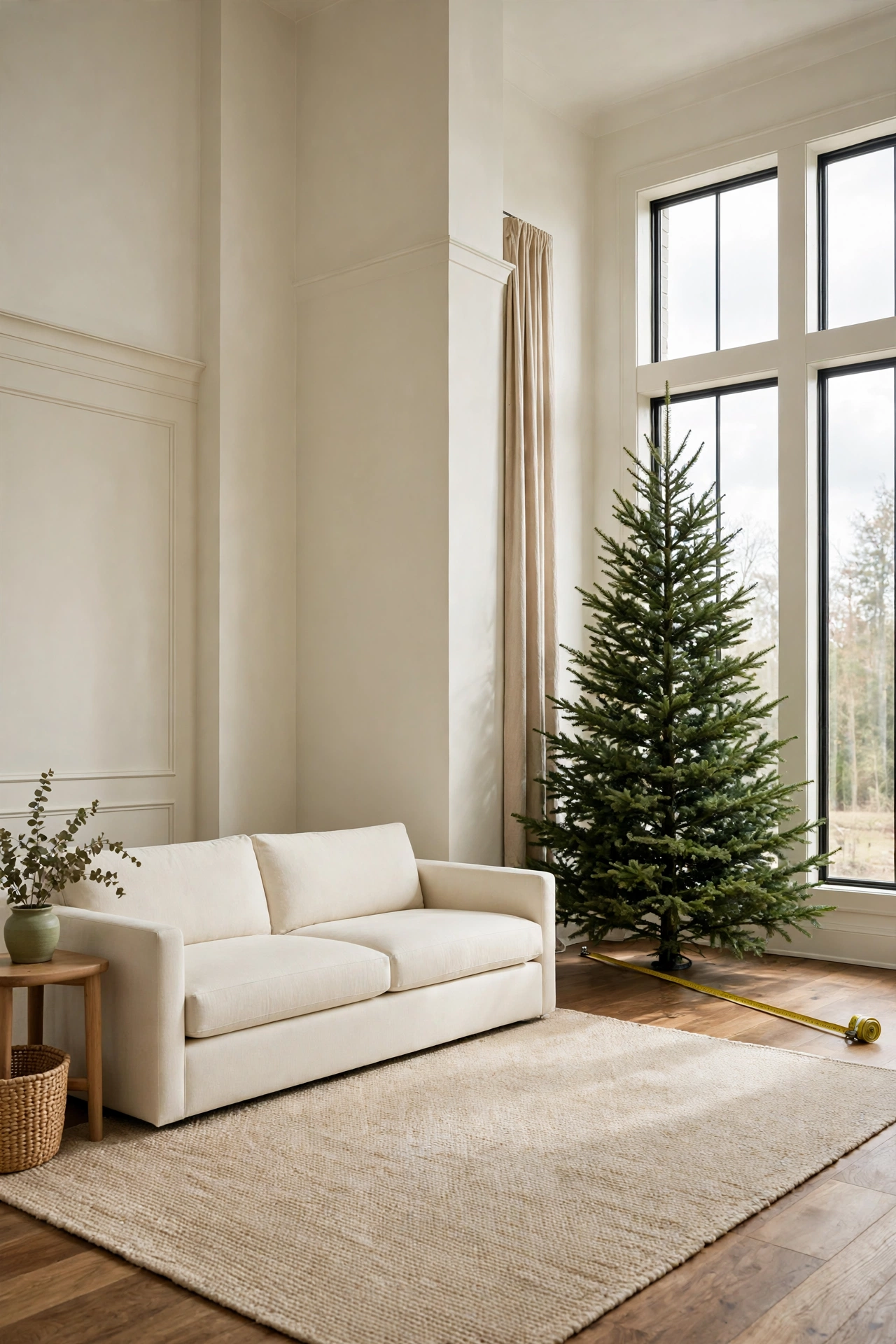
1. Measure the Ceiling and the Corner Before Anything Else
Your ceiling decides your tree height, and it is not a negotiation.
I measure two numbers before I even look at trees, and I write them in my phone. The first is the ceiling height in the exact corner where the tree will stand, because older homes and sloped ceilings will surprise you. The second is the width of that corner, because a full tree can eat half a small room and block a walkway you need every day. From the ceiling number, take off roughly six inches for the stand and six more for the topper, and what is left is your real tree height. A tree that nearly kisses the ceiling looks generous. A tree that actually touches it looks like a mistake you have to live with for a month.
Shop This Look
This post contains affiliate links. If you buy through them, I may earn a small commission at no extra cost to you.
A few favorites featured in the ideas above:

2. Decide How the Tree Should Feel at Night
Buy for the evening glow, because that is when the tree actually performs.
Nobody sits and admires their tree at noon. The tree earns its place after dark, when the house settles and the lights come on. So I decide the mood first and let it choose the tree. A full, dense tree loaded with warm cluster lights feels like a hug and makes a big room feel smaller and kinder. A sparser tree with space between the branches feels airy and calm, and it lets big ornaments and velvet bows show off one by one. Neither is better. But they are different Decembers, and picking the feeling first stops you from buying a tree that fights the room you actually live in.

3. Count Your Storage Before You Fall in Love
A faux tree you cannot store well is just expensive clutter for eleven months of the year.
This is the step everyone skips and everyone regrets. A faux tree lives somewhere in your home for about eleven months, and a big one needs real space. Before you fall for a nine foot beauty, stand in your storage area and be honest about what fits. A proper storage bag beats the original box, which is usually torn and misshapen by the second year. If your only option is a hot attic or a damp corner, that argues for a smaller tree, an upright storage bag, or a real tree that simply leaves in January. Storage is not the boring part of this decision. It is most of the decision.

4. Be Honest About Your December Energy
The right tree is the one that matches the December you actually have, not the one you imagine.
Some years I have the energy for the full ritual: the lot, the fresh cut, the daily watering, the needles. Some years December is a blur of school concerts and late work nights, and a tree that asks nothing of me is the kindest choice. A real tree is a small daily relationship. A faux tree is one big afternoon of fluffing and then freedom. A flocked tree asks for a gentle setup and a tolerance for white dust. None of these is the virtuous option. They are just different amounts of work landing at different moments, and you get to pick which bill you would rather pay.

5. Do the Ten Year Math, Not the One December Math
Real costs less today and more every year. Faux costs more today and then almost nothing for a decade.
A good real tree in our area runs roughly sixty to ninety dollars, and that bill comes back every single December. A quality faux tree costs more upfront, often two to four hundred dollars, but spread over ten seasons it works out cheaper per year, and the good ones genuinely last that long. The honest break even point for most families lands around year three or four. Flocked real trees sit at the expensive end every year, since the flocking is a yearly service. Flocked faux costs more than plain faux once, then behaves like faux. Run your own numbers with your local prices, but run them over ten years or the math will lie to you.

The Case for a Real Tree
6. Pick Your Species Like You Mean It
Fraser fir is the tree I send everyone to first, and it is not close.
Species decide almost everything about a real tree: the scent, the needle mess, how much weight the branches hold. Fraser fir holds its needles the longest, smells clean and deep, and has stiff branches that carry heavy ornaments without drooping. Balsam fir smells the most like Christmas morning but drops needles sooner and has softer branches, so keep the glass ornaments light. Spruce looks beautiful and blue tinged, but its needles are sharp enough to make decorating a chore, and it lets go of them early. Pine is soft and romantic and sags under anything heavier than ribbon. If your shop only labels trees as premium or standard, ask what species premium means. You are paying for the species, so you should know its name.

7. Buy Fresh, or Do Not Bother
A fresh tree drinks water and holds its needles. A stale one just sheds and sighs.
Most real tree disappointment is really a freshness problem. Trees are often cut weeks before they reach a lot, and a tree that has been sitting dry has already started to give up. Buy from a lot that keeps trees in water or at least in shade, and ask when the load arrived. Do the pull test: tug gently on a branch and only a few needles should come away, and they should feel bendy rather than snappy. The trunk end should look pale and moist, not grey and sealed. If a seller will give the trunk a fresh cut on the spot, that is a good sign you are in the right place.

8. Give It a Fresh Cut and a Drink Within Hours
A thin slice off the trunk and straight into water is the whole secret to a long lived real tree.
The moment a tree is cut, sap starts sealing the trunk, and a sealed trunk cannot drink. So when you get home, saw a thin slice off the bottom, about the width of your thumb, and get the tree standing in water within a few hours at most. Plain water is all it needs. The old tricks with sugar, soda or aspirin make great stories and do nothing measurable, and some of them feed bacteria that clog the trunk. Use a stand that holds a generous amount of water and hides it well, because you will be refilling it more often than you expect in the first days.

9. Water It Like a Houseplant You Actually Love
A real tree can drink a liter of water a day in its first week indoors.
This is the unglamorous step that decides whether your real tree looks lush on Christmas Day or tired by the twentieth. Check the water every morning while the coffee brews and top it up before the level falls below the trunk end. If the reservoir ever runs dry, the sap seals again and the tree mostly stops drinking, even if you refill it later. Keep the tree away from heat vents and fireplaces, because warm dry air pulls moisture out of the needles all day long. A watered tree is also a safer tree. A dry tree is the one you hear about in January news stories.

10. Plan the Exit Before the Entrance
January you will be so grateful that December you had a removal plan.
Every real tree leaves, and the leaving is where the needles stage their final performance. Before the tree comes in, find out when your city does its January mulch pickup and what the rules are, because most programs want the tree bare, unbagged and free of flocking. Keep an old sheet or a tree removal bag for the trip through the house. Cut the tree down in the room if it is large, rather than dragging it whole through doorways. And take heart: a mulched tree goes back to gardens and trails, which is a nicer ending than a landfill. Knowing the ending is handled makes the whole real tree choice feel lighter.

The Case for a Faux Tree
11. Read the Tips Like a Label, Not a Headline
Molded tips are the reason good faux trees fool people now, and flat tips are the reason cheap ones do not.
When you shop faux, ignore the marketing words and look at the branch ends in your hand. The realistic trees use molded PE tips, cast from real branches, on the outer parts you see and touch. Many good trees mix those with softer PVC tips deeper inside for fullness, which is a smart place to save money. A tree made entirely of flat PVC tips will always read as tinsel up close, no matter the tip count on the box. Tip count still matters, but it comes second. A slightly lower tip count in molded PE looks far more real than a huge count in flat plastic, especially once the lights go on.

12. Go Pre Lit, but Read the Light Warranty First
Pre lit saves you an hour and your patience, as long as the lights are properly covered.
I will never go back to stringing lights by hand, and warm cluster lights are the reason faux trees glow the way they do in the photos you save. But a pre lit tree ties the life of the tree to the life of its lights, so the warranty matters more than the bulb count. Look for LEDs, which run cool and last for years, and a light warranty of at least three seasons. Check how the sections connect, because the good ones pass power through the pole and light up as you stack them, with no hunting for plugs inside the branches. If one section ever goes dark, a decent brand sells replacement sections, and that fact alone is worth paying a little more for.

13. Choose a Silhouette That Suits the Room
Full, slim and sparse are three different moods, not three sizes of the same tree.
This is where the current trends actually help you choose. The sparse Alpine shape, with visible trunk and space between branch layers, is everywhere right now because it feels calm and lets ornaments read like little artworks. It is perfect if your style leans quiet and you love a few artisan glass ornaments with room to shine. A slim pencil tree is the apartment hero, giving you full height in about half the floor space. A classic full tree is still the warmest choice for a big family room where the tree needs to hold its own against sofas and a fireplace. Width is the number that matters most here. Match the silhouette to the room first and the height second.

14. Fluff Once, Properly, With Gloves On
Twenty slow minutes of shaping is the entire difference between fake looking and real looking.
Here is my most repeated principle: fullness comes from shaping, not from the box. Every faux tree arrives compressed, and the first fluff is real work, so respect it. Wear gloves, because the wire tips are scratchy, and work from the bottom up and the inside out. Fan each tip up, down and sideways so the branch fills its whole circle, and step back every few minutes to hunt for holes at eye level. Shape the branch ends near the trunk too, not just the pretty outer edge. Do it once with patience and take a photo. In later years a five minute refresh is all it needs, because the branches remember most of their shape.

15. Store It Like Next December Matters
How you put a faux tree away decides how it greets you next year.
The tree you store carelessly is the tree you curse at next December. A padded storage bag protects branches far better than the torn original box, and it keeps dust and basement smells off the tips. If you have the ceiling height in a storage room, an upright bag is the dream: roll the tree in still assembled, and next year there is almost no fluffing to redo. Keep the bag somewhere cool and dry, off a concrete floor if you can, and label the sections if your tree comes apart. Photograph how it looked fully fluffed and keep that photo in the bag. Next year you will thank yourself twice.

The Flocked Middle Path
16. Know What Flocking Actually Is
Flocking is soft fiber powder fixed on with adhesive, and some of it will end up on your floor. That is the deal.
A flocked tree is a tree wearing a coat of white fibers that imitate snow settled on the branches. It is gorgeous, and it is also a material with opinions. Every flocked tree sheds a little during setup, a little when the cat brushes past, and a little when you take it down. On a real tree, heavy flocking also seals the needles, and most cities will not accept a flocked real tree for mulching, so it ends up in the landfill, which is worth knowing before you choose it. Small children and pets who mouth everything are another honest consideration, since loose flocking is not food. None of this has to be a dealbreaker. It just has to be a known cost, priced in before the tree comes home.

17. If You Love the Snowy Look, Buy It in Faux
A flocked faux tree gives you the snowy look every single year for one purchase.
Here is where I landed after my own flocked experiment. If the snowy look is the one your heart wants, buy it once in faux. A flocked real tree charges you premium prices every December and then goes to the landfill. A flocked faux tree costs more upfront, then shows up every year looking like fresh snowfall in a ski town, with no yearly bill and no yearly waste. Choose a medium flock if you can, where the green still shows through in patches. It reads more natural, photographs warmer, and hides the small bare spots that heavy flocking shows as it ages. This is the one version of flocked that my practical side and my romantic side both signed off on.

18. Warm Up a Flocked Tree So It Never Reads Cold
Flocking is cool toned, so everything you add to it should lean warm.
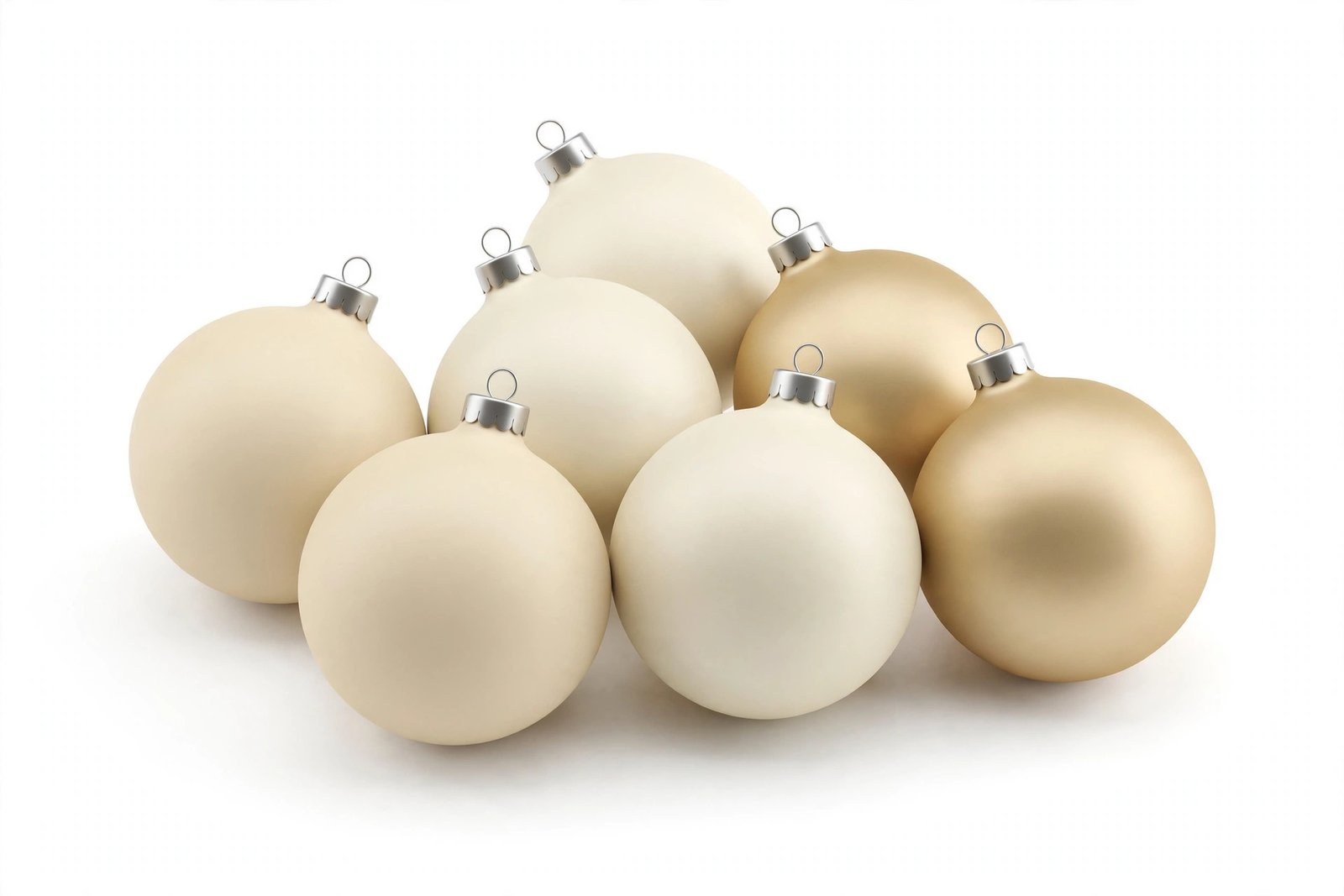
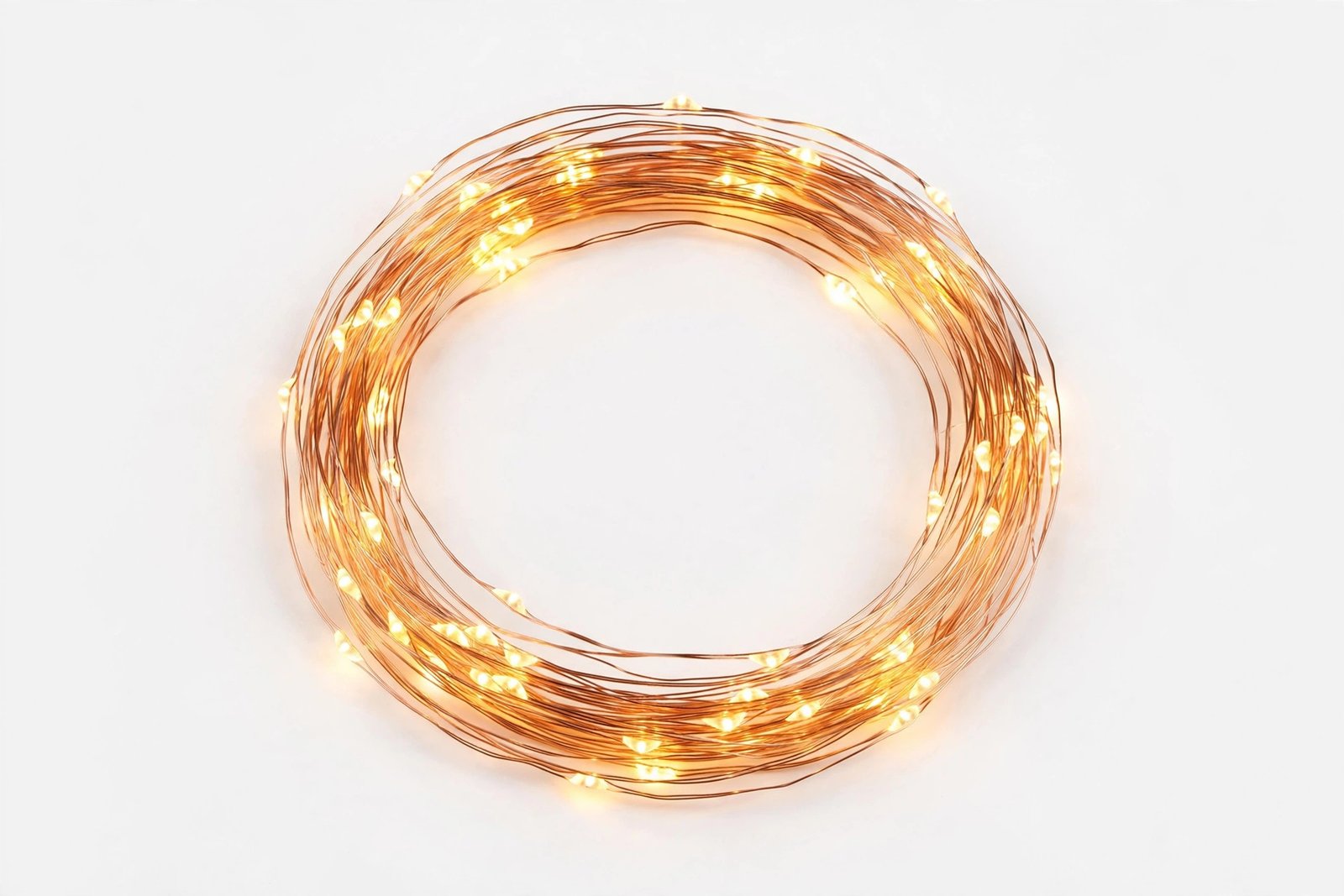
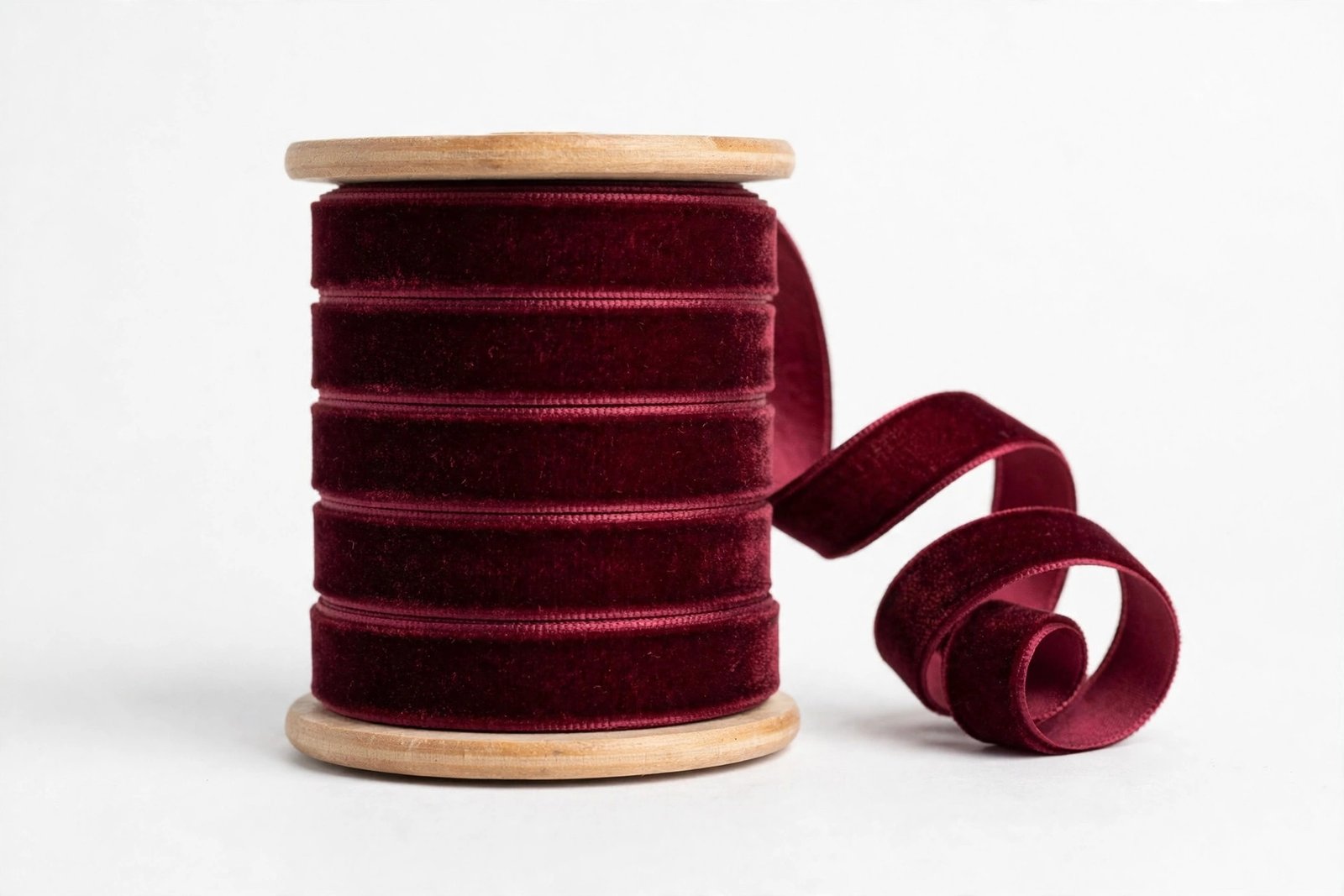
The one mistake I see with flocked trees is styling them cold on cold: silver, icy blue and white until the room feels like a freezer. Snow needs warmth against it. This is exactly where this year’s favorite look earns its keep. Oversized velvet bows in burgundy or chocolate brown, warm brass ornaments, matte ceramics, and warm cluster lights turn a flocked tree into the coziest thing in the house. The white branches become the backdrop, and every warm note you hang on them glows twice as rich. Keep the palette tight: white, one deep jewel tone, one warm metal. That restraint is what makes it look designed rather than decorated at random. If you are choosing a color story for the whole season, the way the tree, mantel and table talk to each other matters more than any single ornament, and it is the heart of a cohesive Christmas theme.

19. Run the Three Question Test and Then Commit
Scent, storage and shedding. Answer those three honestly and your tree picks itself.
After all of this, the decision really comes down to three questions. First, how much do you live for the scent of a real tree in the house? If that smell is Christmas to you, no faux will ever fully satisfy you, and you should buy real and do it properly. Second, do you have calm, dry storage and low December energy? Then faux is your friend, and flocked faux if the snowy look makes your heart lift. Third, how much shedding can your household tolerate, from needles or from flocking? Rank your answers, and the tree that wins two of the three is your tree. Then commit and enjoy it. The only truly wrong tree is the one you keep second guessing while it stands there glowing, doing its best.

More Favorites
This post contains affiliate links. If you buy through them, I may earn a small commission at no extra cost to you.
A few more favorites from the ideas above:
So here is where I land, friend to friend. Real, faux and flocked are not rivals. They are three different promises. A real tree promises scent and ritual and asks for your attention in return. A faux tree promises ease and consistency and asks for one good afternoon and a decent storage spot. A flocked tree promises that hushed, snowy stillness and asks you to make peace with a little white dust. None of them is the correct answer. There is only the answer that fits your home, your storage and your December this year.
Choose the one that makes you exhale when you picture it lit in your corner. Then put the kettle on, turn the lamps low, and let it do the job it was bought for. I will be doing exactly that, in front of mine, probably still adjusting one branch that only I can see.
With love and light
Get Fresh Home Ideas Every Week
Seasonal decor ideas, organizing tips, and cozy home inspiration, straight to your inbox.
More Holiday Ideas You Will Love
Keep browsing for more seasonal inspiration: