

Close your eyes and picture your living room at eight in the evening. The lamps are on low and everything glows instead of glares. The curtains are linen and they hang in soft folds, barely moving. You sink into the sofa and the cushion gives just enough. Somewhere a candle is lit and the air smells faintly of warm wood and clean cotton. Your shoulders drop. The day slides off you. That is the whole goal here. A room that lowers your heart rate the second you walk in.
That feeling has a name, and it is having a real moment right now. Japandi. Japanese calm meets Scandinavian warmth. It is the style extension everyone is asking for, and honestly it makes perfect sense for the living room. The living room is where the whole household lands at the end of the day, and it deserves to feel like an exhale, not another to do list. When Japandi is done right it never feels cold or stark. It feels like a deep breath. The palette does most of the work. Oatmeal and warm white on the big surfaces. Light oak and walnut for the wood. Then small warm notes. Camel. Rust. Olive. A little chocolate brown. Brass where it catches the light. Warm minimalism, not cold minimalism. That is principle one, and it guides every single idea below.
I put together 19 ideas that build this room from the walls outward. Some are weekend projects. Some are one beautiful purchase that changes everything. Every one of them follows the same quiet rules. Every piece earns its place. Let the wood do the talking. And if you want the full foundation first, my Japandi Living Room design guide walks through the palette, the materials, and the pairings that make this style work.
Let us start with the shell of the room, because calm starts with the walls, the light, and the floors.
Love these ideas? Get more every week.
Join the newsletter for seasonal decor and cozy home inspiration.
The shell: walls, light, and floors
Before you buy a single thing, look at the envelope of the room. Japandi living rooms feel calm because the big surfaces are quiet. Soft walls. Pale floors. Light that glows instead of glares. Get this part right and almost everything you add afterward will just work. Empty space is a feature, not a flaw. That is principle two, and the shell is where it lives.
1. Limewash Walls in Warm Oatmeal
Flat white walls bounce light around in a way that can feel a little clinical, especially in a room with big windows. Limewash fixes that in one weekend. The finish has this soft movement to it, like plaster that was touched by hand, and in a warm oatmeal tone it makes the whole living room glow without any paint color shouting for attention. I did this in my own living room two years ago and I still catch myself just looking at the walls in the evening light. That is the power of texture over color. It gives the room depth without adding a single object to dust.
Pick a limewash in oatmeal, warm greige, or pale clay. Keep the ceiling a simple warm white so the room still feels tall. One tip from experience. Do your test patch on the wall that gets the evening light, because that is when you will be in this room most, and limewash shifts beautifully as the light changes. It looks one way at noon and completely different at eight, and both versions are gorgeous.

Shop This Look
This post contains affiliate links. If you buy through them, I may earn a small commission at no extra cost to you.
A few favorites featured in the ideas above:


2. A Low Pile Natural Fiber Rug as the Room Anchor
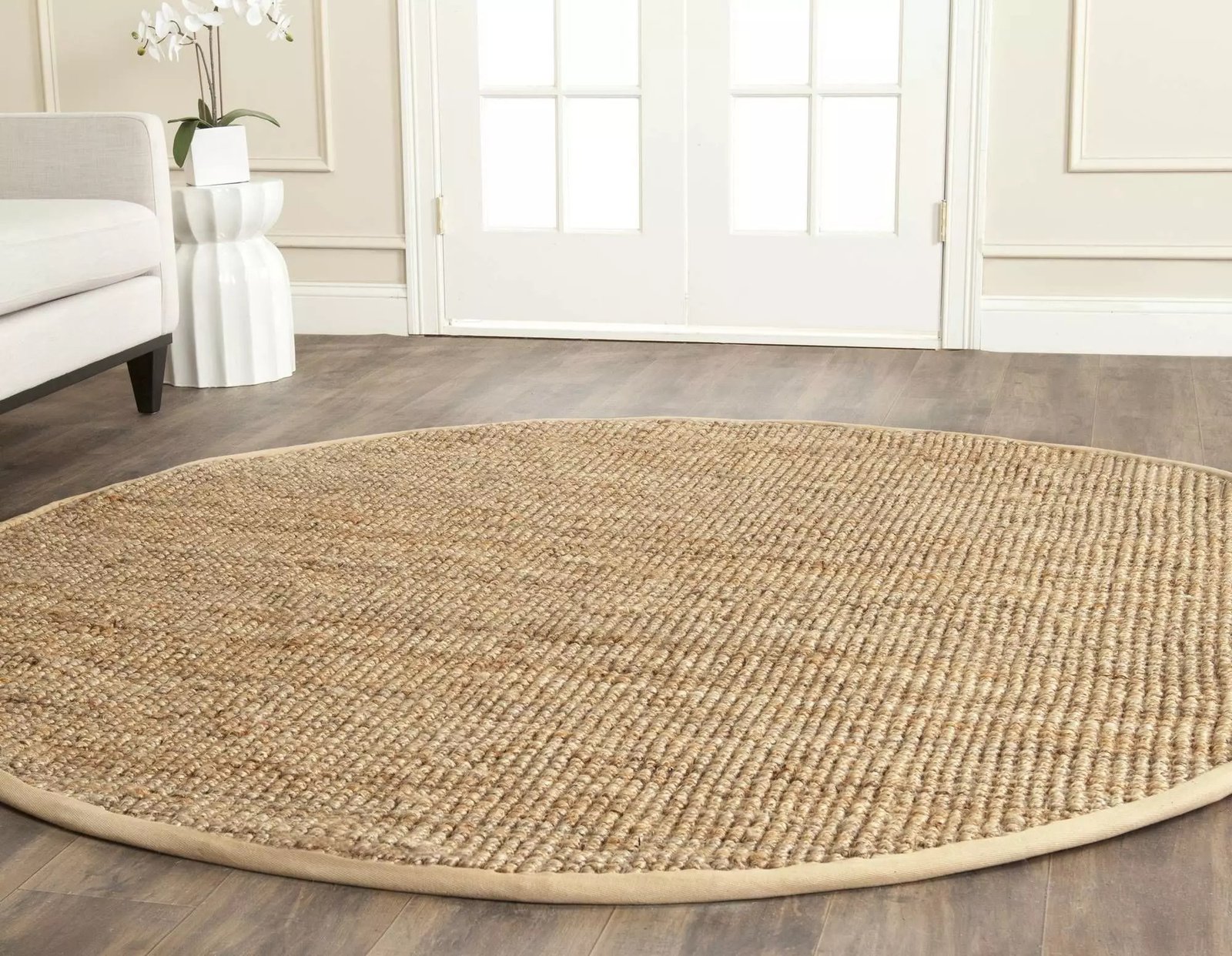
A rug does more for a living room than almost any other single purchase. It tells the furniture where to sit, it softens the sound, and it warms up the floor under your feet. For Japandi, reach for a low pile natural fiber rug in jute, sisal, or a wool blend in oatmeal. Round works beautifully if your seating is arranged in a loose circle, and rectangular grounds a more traditional sofa facing setup. The texture is the whole point. It should look like something made by hands, not printed by a machine.
Size it so the front legs of your sofa and chairs sit on the rug. A rug that is too small makes the room feel like it is wearing shoes that do not fit. I made this mistake once and the fix was worth every penny. The bigger rug instantly made the room feel settled and calm, like everything exhaled at once.

3. A Paper Lantern Pendant That Glows Like Dusk
Overhead lighting is where most living rooms go wrong. One harsh ceiling fixture and the whole room feels like an office. A paper lantern style pendant, inspired by Japanese shoji screens, fixes the mood instantly. The paper diffuses the light so it glows warm and even, with no hard shadows. Hung low over the coffee table or in the center of the seating area, it becomes the moon of the room. Everything orbits around it in the evening.
Choose rice paper or a linen shade in warm white. A single oversized lantern makes more of a statement than three small ones, and it suits the Japandi love of one strong simple shape. Put it on a dimmer. Please put it on a dimmer. Half brightness at eight in the evening is the whole vibe.

4. Linen Curtains Hung High and Wide
Curtains are the easiest way to make a living room feel taller and softer at the same time. Hang the rod close to the ceiling and extend it well past the window frame on both sides, so when the curtains are open they just kiss the edges of the glass. Choose a natural linen or linen blend in oatmeal or warm white. The slight texture and the way linen folds is everything. It never looks stiff. It always looks like it belongs.
Skip the blackout lining in the living room unless you truly need it for afternoon naps. A soft light filtering lining keeps the daylight dreamy. And let them puddle just slightly on the floor. That tiny bit of pooling says relaxed, not messy. It is the difference between a room that performs calm and a room that actually is calm.

5. Pale Oak Floors Left Bare and Beautiful
If you have pale wood floors, or you are choosing new ones, let them be the star. Pale oak or ash with a matte finish keeps the room light and airy, and it shows off the grain without any gloss shouting for attention. This is principle three in action. Let the wood do the talking. The floor is the biggest wood surface in the room, so choosing a beautiful one does half your decorating for you.
Keep most of the floor visible. This is not the room for wall to wall coverage or layering three rugs. One rug in the seating area, bare wood everywhere else. It makes the room feel bigger, cleaner, and calmer, and it is genuinely easier to keep clean. Sweep, done. If your floors are darker, a large pale rug can fake the effect without refinishing anything.

Anchor pieces: furniture that earns its place
Now the furniture. Japandi is ruthless in the best way. Every piece has to earn its place by being beautiful, useful, or ideally both. This is not the style for the extra chair nobody sits in or the side table that only holds clutter. Fewer pieces, better pieces. That is principle four wearing its work clothes. Every piece earns its place, and the room thanks you with breathing room.
6. A Low Sofa in Oatmeal Linen
The sofa sets the height language of the whole room. In Japandi it sits low, close to the ground, with a relaxed but tailored shape. An oatmeal or warm greige linen slipcover is the classic move. Linen wrinkles a little and that is the point. It looks lived in and loved, never precious. You can actually sit on it without feeling like you are ruining something.
Look for clean lines, slim or no arms, and cushions you can sink into without disappearing. A low back keeps sight lines open across the room, which matters in smaller living rooms. If a full new sofa is not in the cards, a linen slipcover over your existing sofa gets you eighty percent of the way there for a fraction of the cost. I have done this twice and both times guests assumed it was new.

7. One Beautiful Walnut Coffee Table
If the sofa is the anchor, the coffee table is the heart. One beautiful walnut table with visible grain does more than any styling ever could. Choose a simple slab, a soft edged rectangle, or a low round table. The grain is the decoration, so let it show. A matte oil finish feels warm to the touch and ages gracefully. This is the piece people will run their hands over when they visit.
Keep the top nearly clear. A single ceramic vase with one branch. A small stack of two books. That is plenty. A coffee table buried in trays and candles and coasters stops being a table and becomes a storage unit. Give it room to be beautiful. Your future self, wiping it down in thirty seconds, will thank you.

8. A Single Curved Accent Chair
One sculptural accent chair is worth more than a matching set. A curved rattan, bentwood, or molded plywood chair brings the Japanese love of craft into the room. The curve matters. After all the straight lines of sofas and tables, one gentle curve softens everything. Tuck it into a corner with a small side table and a floor lamp and you have a reading spot that practically begs for a slow Sunday morning.
Keep it to one. Two matching accent chairs start to feel like a furniture showroom, and the asymmetry of a single chair is very Japandi. If the chair is the statement, keep the cushion simple. An oatmeal linen pad or a small lumbar pillow in rust is all it needs.

9. Floor Cushions for Low, Easy Seating
Floor cushions are the most Japanese thing you can add to a living room, and the most fun. A couple of generous linen floor cushions in oatmeal, rust, or olive give you flexible seating for movie nights, kids, and guests who end up staying longer than planned. They stack in a corner when you do not need them and they cost almost nothing compared to real furniture. My son drags ours around the house and they still look good. That is the linen magic.
Choose cushions with removable covers so you can wash them. A round cushion and a square one in different tones looks intentional without matching. Keep them near the coffee table so they read as part of the seating, not as random pillows that escaped from somewhere.

10. A Low Walnut Credenza With Hidden Storage
Every calm room is secretly an organized room. A low walnut credenza against one wall gives you closed storage for the remote controls, the chargers, the board games, and all the small chaos of real life. The low height keeps the wall feeling open above it, which is perfect for one piece of art or a single sculptural object. Closed doors are the trick. Open shelving in a living room becomes a dusting job and a visual to do list.
Style the top with restraint. A ceramic bowl, a small stack of books, maybe one candle. Leave at least half the surface empty. That emptiness is doing real work. It is the visual pause that lets your eyes rest, and it makes the few objects you do display feel special instead of crowded.

Warmth and texture: the Scandinavian side
Here is where the Scandinavian half of Japandi earns its keep. The Japanese side brings the restraint and the low lines. The Scandinavian side brings the warmth, the textiles, the invitation to actually curl up. Without this layer, minimalism can feel like a museum. With it, the room feels like a hug. Think touchable things. Wool, linen, clay, woven grass. If you can imagine the texture with your eyes closed, it belongs.
11. A Camel Throw Draped Like You Mean It
One beautiful throw in camel, rust, or warm oatmeal does more than a whole basket of small accessories. Drape it over one arm of the sofa or fold it in thirds across the back. The key is that it looks used, not arranged. A throw that is too perfectly folded looks like a store display. Give it one casual fold and let the end fall naturally. It should look like someone was just wrapped in it, because someone should be.
Choose wool, a wool blend, or a chunky knit in a warm tone. Camel is my first pick for Japandi. It bridges the oatmeal sofa and the walnut wood like it was born for the job. Wash it at the start of the season and it will look better with a little softness. The best throws age like the room itself, getting more beautiful the more you live with them.

12. Linen Pillow Covers in Rust and Oatmeal
Pillows are the cheapest way to change the feeling of a sofa, and linen covers in rust, oatmeal, and olive are the Japandi trifecta. The mix matters more than any single pillow. Two oatmeal, one rust, one olive. Or three oatmeal and one rust if you like it quieter. The linen texture keeps even the rust feeling soft and earthy instead of loud. It reads like autumn leaves, not a warning sign.
Vary the sizes. A 22 inch square in back, a 20 inch in front, maybe a small lumbar. Same family of tones, different scales. That layering is what makes it look designed instead of decorated. And buy the covers, not whole new pillows. Swap the covers with the seasons and the sofa feels new twice a year.

13. A Handwoven Basket That Holds the Real Life
Blankets need a home, and a handwoven seagrass or rattan basket is the prettiest one. Park it beside the sofa or under a console and fill it with the throws you actually use. The weave adds that handmade texture Japandi loves, and the basket turns everyday clutter into something that looks intentional. Guests see a beautiful object. You see storage. Everybody wins.
Size it generously. A basket that is too small with blankets spilling out looks messy. One big basket with everything tucked inside looks calm. If you have kids, this is also where the stray toys go when someone texts that they are five minutes away. No judgment. We all do it.

14. One Sculptural Vase, One Single Stem
This is the Japanese art of restraint in one object. A sculptural ceramic vase in matte white, oatmeal, or clay, holding exactly one stem. One branch. One dried grass. One eucalyptus sprig. That is it. The single stem gets all the attention, and the negative space around it is doing the real decorating. It is the visual equivalent of a deep breath.
Place it where you will see it in passing. On the credenza, on a shelf, on the coffee table. Somewhere the eye lands and rests. Change the stem with the seasons and the whole room feels refreshed for free. Bare branches in winter, one green stem in spring. The vase stays. The mood shifts.

15. Mixed Warm Woods, Never Matched
Here is a secret that makes rooms look collected instead of catalog ordered. Mix your woods. Light oak, mid walnut, a little teak. Different tones in the same warm family create depth and make the room feel gathered over time. Matching every wood finish exactly is what makes a room feel like a showroom floor. The slight variation is what makes it feel like a home.
Keep them all warm. That is the only rule. Cool gray washed wood next to honey oak will clash, but oak plus walnut plus teak sings. Repeat each tone at least twice around the room so it looks intentional. The walnut coffee table echoes the walnut credenza. The oak floor echoes the oak side table. Nothing matches. Everything belongs.
The finishing calm: styling and ritual
The last layer is the smallest and the most important. This is where the room stops being a collection of nice things and starts being a place with a feeling. Art with breathing room. Candlelight. One living plant. A corner that invites a ritual, even if the ritual is just tea and ten quiet minutes. These are the details people feel without noticing, and they are what make guests say your living room feels so peaceful without knowing why.
16. One Large Art Piece With Breathing Room
A gallery wall can be wonderful, but in a Japandi living room one large piece with generous empty wall around it is pure magic. The breathing room is the frame. Choose abstract art in warm neutrals, a soft landscape, or a simple ink style print. It should feel quiet when you look at it, not busy. If the art makes your eyes race, it is wrong for this room.
Hang it low enough to relate to the furniture below it. The center should sit roughly at eye level when you are seated, which is lower than most people hang art. One big piece over the sofa or over the credenza anchors the whole wall. Resist the urge to fill the space beside it. That emptiness is principle two again. Empty space is a feature, not a flaw.

17. Brass Candle Holders for the Evening Glow
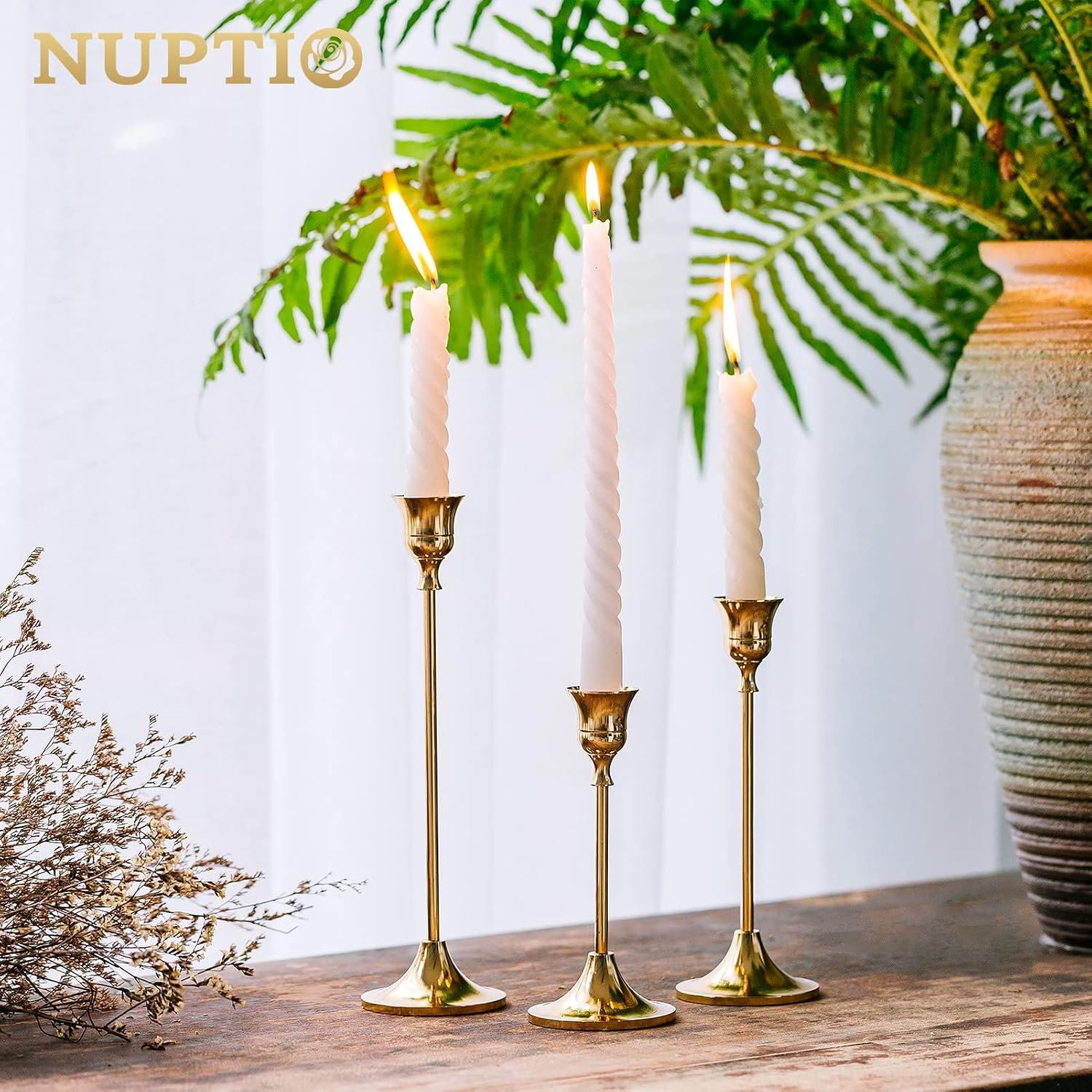
When the sun goes down, this is the idea that transforms the room. A small group of brass taper candle holders on the coffee table or the credenza, lit at dusk, turns the living room golden. Brass is the perfect Japandi metal. It is warm, it ages with a soft patina, and it catches the light without flashing like chrome. Three holders of different heights grouped together is the classic arrangement.
If real flames make you nervous, good flameless taper candles have come a long way. The warm flicker ones genuinely fool people across the room. Either way, the ritual matters more than the wax. Lighting the candles at the same time each evening tells your brain the day is done. It is the smallest ceremony with the biggest payoff.

18. A Single Green Plant in a Clay Pot
One living plant brings the whole room to life. An olive tree, a fiddle leaf fig, or even a simple snake plant in a handmade clay or ceramic pot adds the green note every neutral room needs. Just one. A forest of plants turns maintenance into a chore and the room into a greenhouse. One confident plant in the right pot is a sculpture that happens to be alive.
Put it in a corner that gets decent light and choose a pot with some character. Handmade clay with a slightly uneven edge is perfect. The pot matters as much as the plant. And pick something you can actually keep alive. A thriving snake plant beats a dying olive tree every single time. Honest greenery only.

19. A Quiet Tea Corner for Slow Mornings
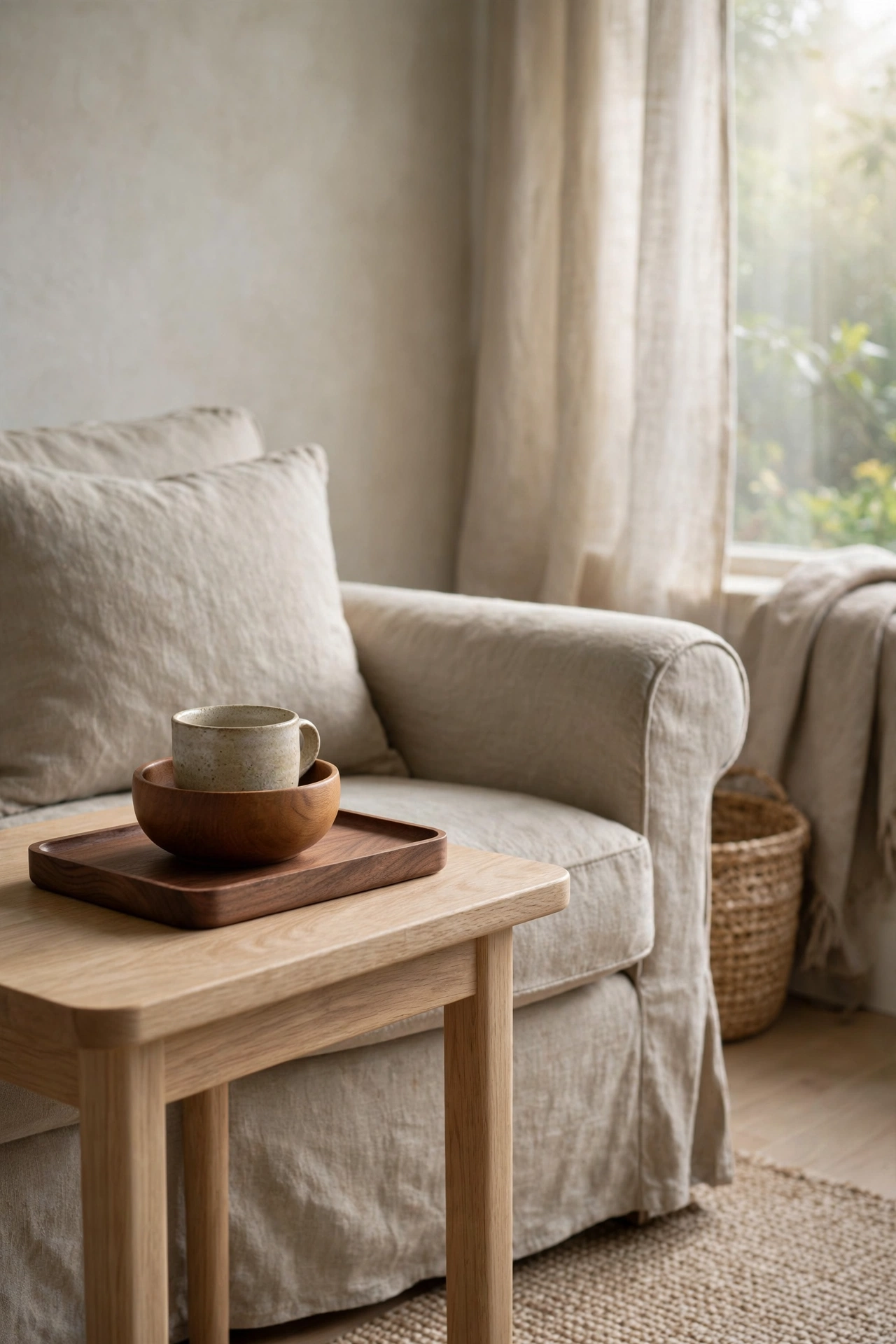
My favorite idea is saved for last. Carve out one small corner for a ritual. A floor cushion or a low chair, a small wooden side table, a ceramic teapot or your favorite mug. That is the whole corner. It does not need to be big. It needs to be yours. A place to sit with tea for ten minutes before the house wakes up, or to end the evening without a screen.
Keep everything for the ritual within arm’s reach so you actually use it. The teapot lives on the table. The cushion lives in the corner. When the setup is permanent, the habit follows. This is what Japandi is really about, underneath all the beautiful objects. A room that supports a slower, more deliberate life. Build the corner and the calm will come find you there.

More Favorites
This post contains affiliate links. If you buy through them, I may earn a small commission at no extra cost to you.
A few more favorites from the ideas above:


That is the whole room, built from the walls outward. Nineteen ideas, but really just four quiet principles underneath them all. Warm minimalism, not cold minimalism. Every piece earns its place. Let the wood do the talking. Empty space is a feature, not a flaw. You do not need to do all nineteen. Pick the three that made you exhale a little when you read them and start there. The calm compounds. One limewashed wall leads to a lower sofa, which leads to a candle lit at dusk, and suddenly the whole house feels different at eight in the evening.
I would love to hear which idea you try first. Pour the tea, light the candle, and enjoy the quiet you just built.
With love and light
Get Fresh Home Ideas Every Week
Seasonal decor ideas, organizing tips, and cozy home inspiration, straight to your inbox.
More Living Room Ideas You Will Love
Keep browsing for more seasonal inspiration: